SGLT2 Inhibitors

Long Term Outcomes with Sacubitril Valsartan in HFrEF: Insights From a Real World Cohort

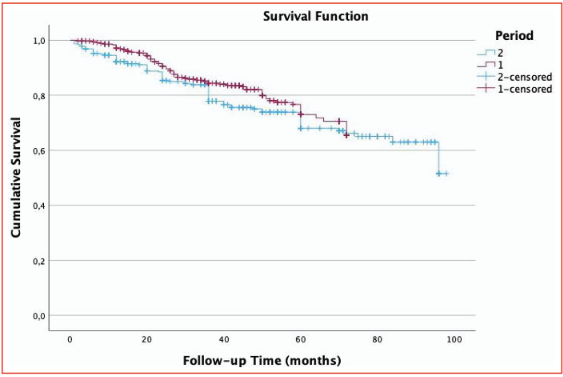
by Prateek Chopra | June 1, 2026 | Cardiology Conferences | ESC-HF 2026 Sacubitril–valsartan (SV) has shown prognostic benefits in patients with heart failure with reduced ejection fraction (HFrEF), although its long-term real-world impact remains unclear. This study assessed long-term outcomes associated with SV use in a real-world HFrEF cohort. The findings were presented at Heart Failure 2026, organized by the […]

Long Term Outcomes with Sacubitril Valsartan in HFrEF: Insights From a Real World Cohort Read Post »
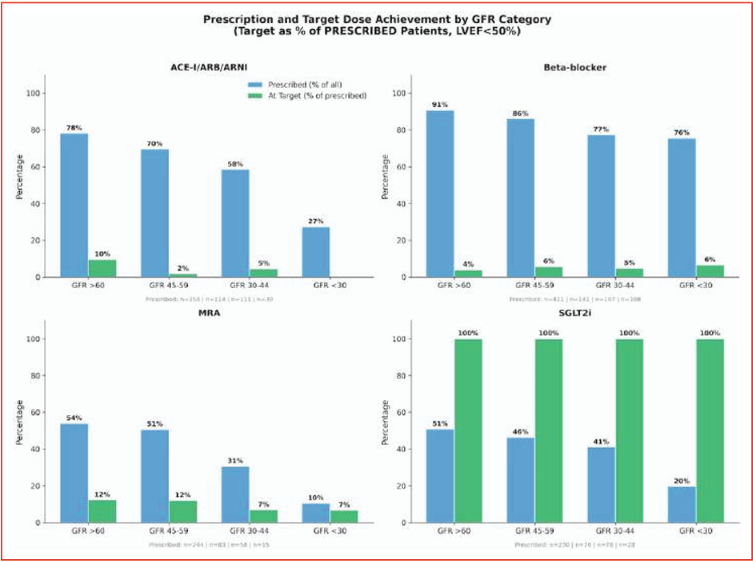
Understanding Non-prescrip on of Guideline-Directed Medical Therapy in AcuteHeart Failure And Advanced Kidney Disease: A Na on-Wide Study

by Prateek Chopra | May 31, 2026 | Cardiology Conferences | ESC-HF 2026 Heart failure (HF) and chronic kidney disease (CKD) commonly coexist and are associated with poor clinical outcomes. However, patients with advanced CKD have been underrepresented in major HF clinical trials, resulting in limited evidence regarding the safety and effectiveness of guideline-directed medical therapy (GDMT) in this high-risk population.

Understanding Non-prescrip on of Guideline-Directed Medical Therapy in AcuteHeart Failure And Advanced Kidney Disease: A Na on-Wide Study Read Post »

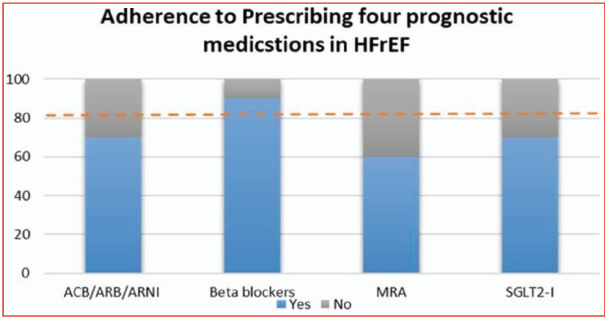
Are We Mee ng the Guidelines? A Review on Management of Heart FailurePa ents in a General Hospital in UK

by Prateek Chopra | May 30, 2026 | Cardiology Conferences | ESC-HF 2026 Heart failure (HF) remains associated with substantial mortality and morbidity despite advances in therapy. Guideline-directed medical therapy improves outcomes in heart failure with reduced ejection fraction (HFrEF); however, adherence in routine clinical practice remains variable. This study evaluated adherence to guideline-recommended diagnostic and therapeutic strategies among patients newly

Are We Mee ng the Guidelines? A Review on Management of Heart FailurePa ents in a General Hospital in UK Read Post »

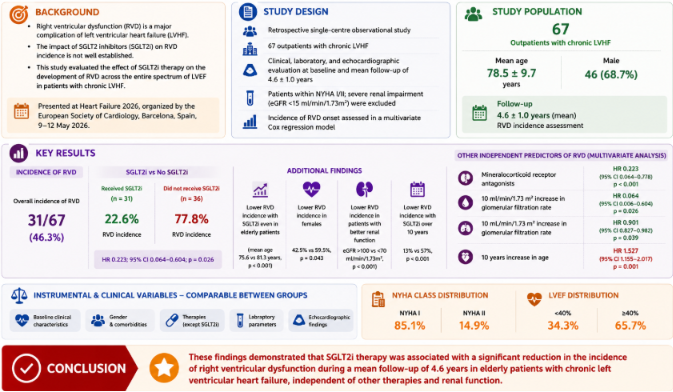
Effect of SGLT2 Inhibitors on the Incidence of Right Ventricular Dysfunction in Patients with Chronic Heart Failure

by Prateek Chopra | May 30, 2026 | Cardiology Conferences | ESC-HF 2026 Right ventricular dysfunction (RVD) is a major complication of left ventricular heart failure (LVHF), and although neurohormonal modulation improves prognosis in LVHF, its impact on reducing RVD incidence remains limited. Data regarding the association between sodium-glucose cotransporter 2 inhibitors (SGLT2i) and RVD incidence are currently lacking. This study

Effect of SGLT2 Inhibitors on the Incidence of Right Ventricular Dysfunction in Patients with Chronic Heart Failure Read Post »

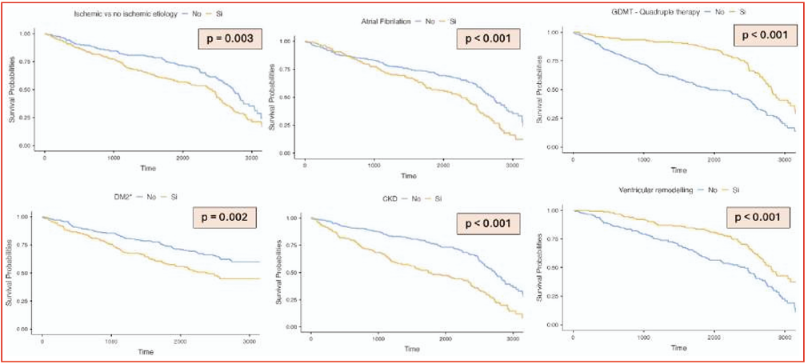
Is there Really a Clinical Benefit to Using the New Drugs for HFrEF in Real Life

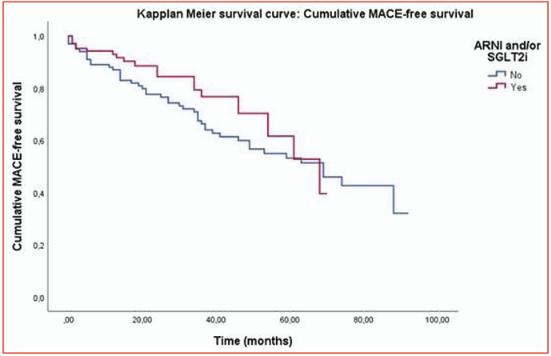
by Prateek Chopra | May 28, 2026 | Cardiology Conferences | ESC-HF 2026 Since 2017, several new therapies demonstrating clinical benefit in patients with HF and reduced left LVEF have been approved for clinical use. However, real-world evidence regarding the benefits of these therapies remains limited. The study aimed to analyse the characteristics and prognosis of patients with HFrEF prospectively followed

Is there Really a Clinical Benefit to Using the New Drugs for HFrEF in Real Life Read Post »

Effect of Sacubitril/Valsartan and SGLT2 Inhibitors on Echocardiographic Responseand Clinical Outcomes A er Cardiac Resynchroniza on Therapy: Insights froma Real-world Cohort

by Prateek Chopra | May 23, 2026 | Cardiology Conferences | ESC-HF 2026 Cardiac resynchronization therapy (CRT) is recommended for symptomatic heart failure (HF) patients with prolonged QRS duration and reduced left ventricular ejection fraction (LVEF), although pivotal CRT trials predated widespread use of angiotensin receptor-neprilysin inhibitors (ARNI) and sodium-glucose co-transporter-2 inhibitors (SGLT2i). This study evaluated whether contemporary HF therapy influences

Effect of Sacubitril/Valsartan and SGLT2 Inhibitors on Echocardiographic Responseand Clinical Outcomes A er Cardiac Resynchroniza on Therapy: Insights froma Real-world Cohort Read Post »

Future Strategies to Prevent Heart Failure

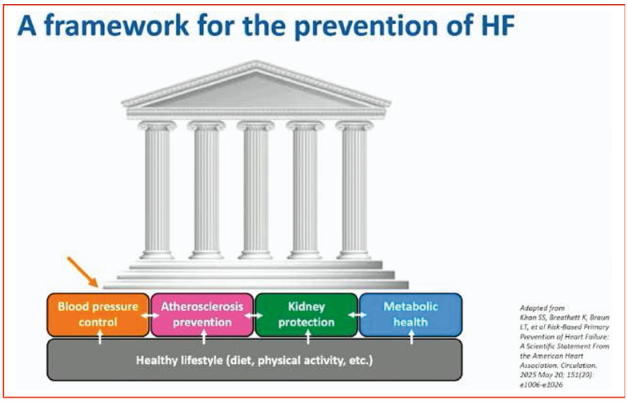
by Prateek Chopra | May 22, 2026 | Cardiology Conferences | ESC-HF 2026 Heart failure (HF) prevention is increasingly focused on early intervention targeting cardiometabolic, inflammatory, renal, and neurohormonal pathways before the development of symptomatic disease. Emerging evidence suggests that integrated preventive strategies can substantially reduce incident HF, cardiovascular (CV) events, and progression of chronic kidney disease (CKD). The findings were

Future Strategies to Prevent Heart Failure Read Post »

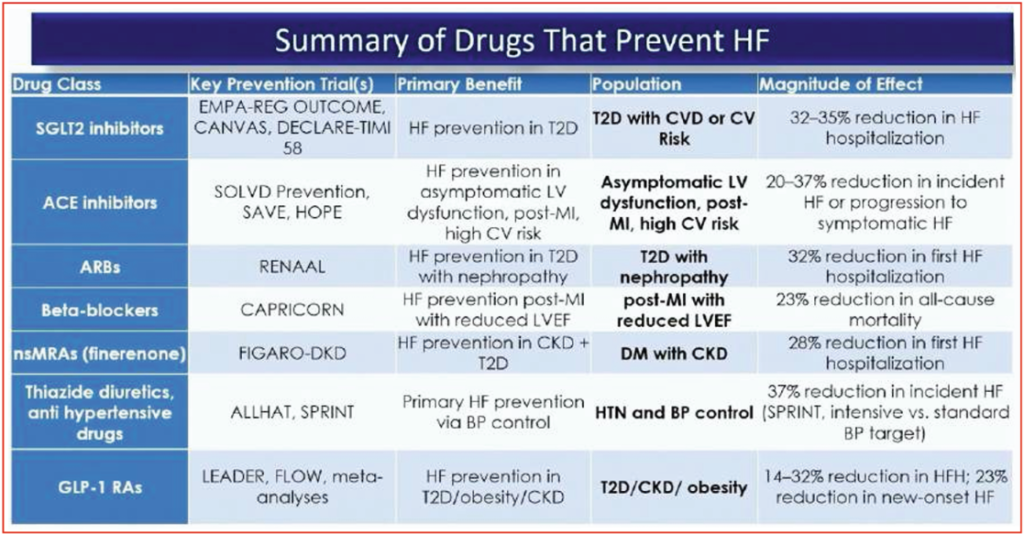
Which Drugs Prevent Heart Failure?

by Prateek Chopra | May 21, 2026 | Cardiology Conferences | ESC-HF 2026 Heart failure (HF) prevention has evolved from traditional risk-factor management to targeted pharmacologic intervention across the HF continuum. Contemporary evidence supports multiple cardiometabolic therapies that prevent incident HF, delay progression from pre-HF to symptomatic disease, and reduce HF hospitalization (HFH). The findings were presented at Heart Failure 2026,

Which Drugs Prevent Heart Failure? Read Post »

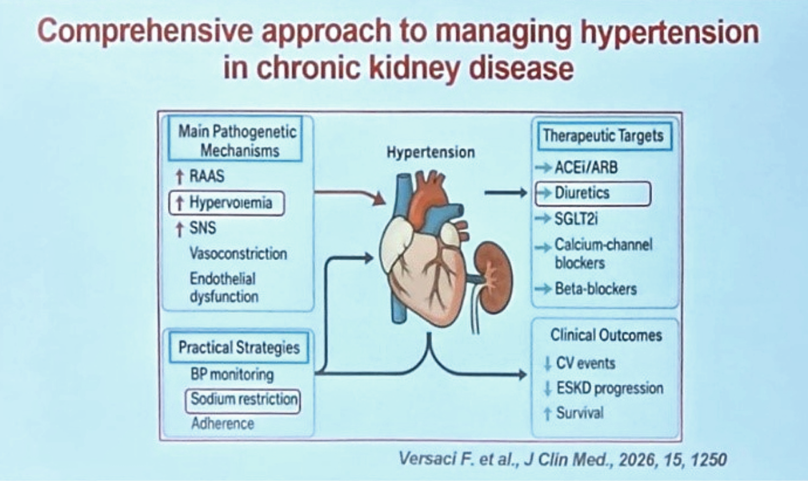
Differential Use of Diuretics in Hypertensive Patients with Chronic Kidney Disease (CKD): The Joint ESH–ERA Session

by Prateek Chopra | June 18, 2026 | Cardiology Conferences | ESH 2026 Clinical Background: Hypertension in chronic kidney disease (CKD) arises from sodium retention, RAAS activation, sympathetic overactivity, and endothelial dysfunction. High dietary salt intake accelerates CKD progression via proteinuria and glomerular hyperfiltration, making diuretics central to hypertension management. Evidence & Guideline Recommendations: Treatment-Resistant Hypertension: Clinical Implications: A tailored, CKD

Differential Use of Diuretics in Hypertensive Patients with Chronic Kidney Disease (CKD): The Joint ESH–ERA Session Read Post »

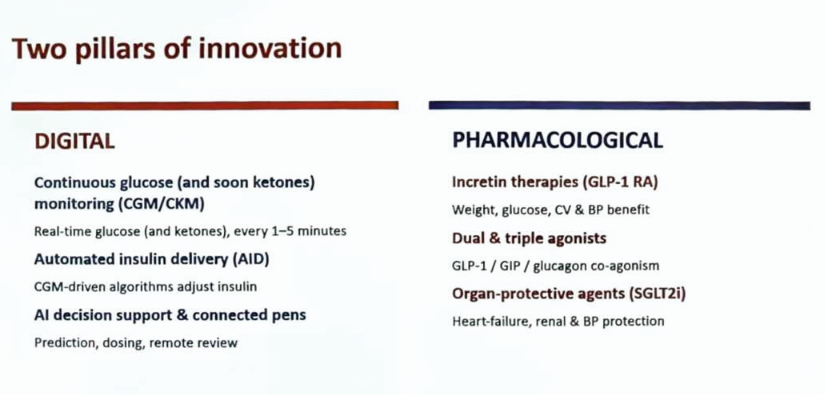
Digital and Pharmacologic Innovations in Diabetes

by Prateek Chopra | June 15, 2026 | Cardiology Conferences | ESH 2026 Unmet Cardiometabolic Need: Address the broader cardiometabolic burden in type 2 diabetes (T2DM), where ~75% of patients have concomitant hypertension and a 2–4× elevated cardiovascular (CV) risk. Treatment goals extend beyond glycemic control to include cardiovascular and renal protection, facilitated by digital health technologies and novel pharmacotherapies. Digital

Digital and Pharmacologic Innovations in Diabetes Read Post »

Scroll to Top