AI Will Improve Equity in Heart Failure Care: Con

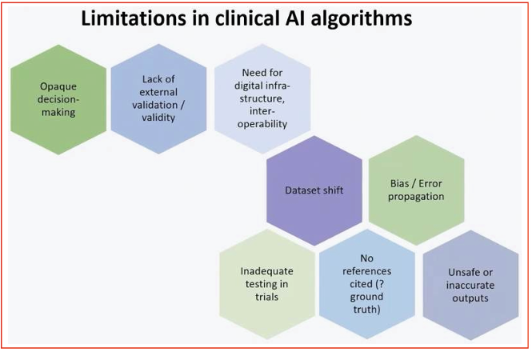
by Prateek Chopra | June 3, 2026 | Cardiology Conferences | ESC-HF 2026 Artificial intelligence (AI) was examined as a technology that may unintentionally widen disparities in heart failure care rather than reduce them. Although AI offers opportunities for improved diagnosis, risk prediction, and treatment optimization, concerns were raised regarding unequal access to digital infrastructure, algorithmic bias, and underrepresentation of vulnerable […]

AI Will Improve Equity in Heart Failure Care: Con Read Post »
AI Will Improve Equity in Heart Failure Care: Pro

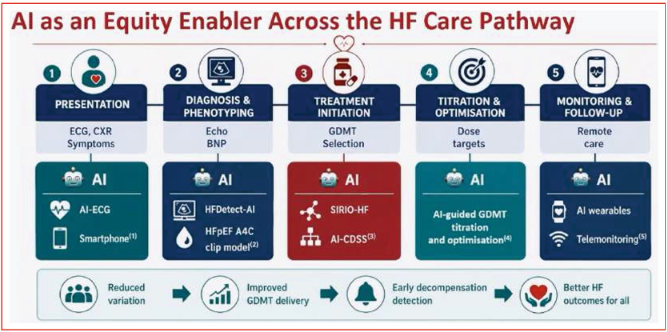
by Prateek Chopra | June 3, 2026 | Cardiology Conferences | ESC-HF 2026 Artificial intelligence (AI) was discussed as a promising approach to address inequities in heart failure care. Persistent disparities in diagnosis, treatment, and outcomes arise from differences in access to specialists, healthcare infrastructure, and adherence to evidence-based therapies. AI was presented as a tool capable of analyzing large volumes

AI Will Improve Equity in Heart Failure Care: Pro Read Post »

Heart Failure Unit: Spain’s Secret Weapon for GDMT Optimisation

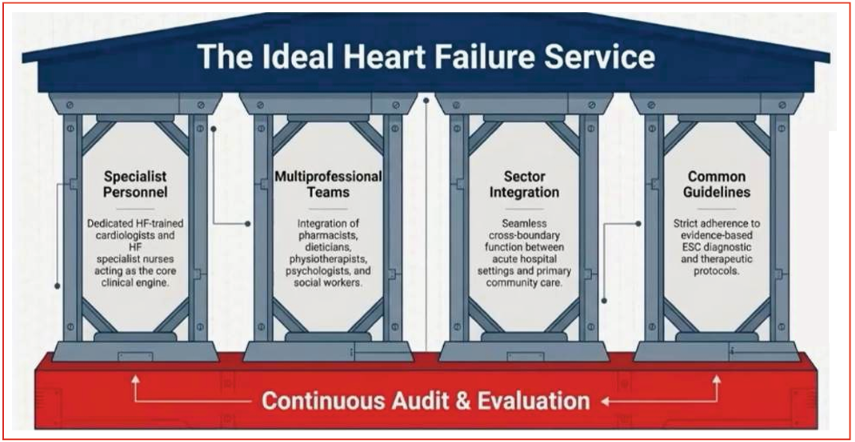
by Prateek Chopra | June 2, 2026 | Cardiology Conferences | ESC-HF 2026 Heart failure (HF) remains a major global health burden despite the availability of highly effective guideline-directed medical therapies (GDMT). However, the greatest challenge is no longer the discovery of therapies, but the establishment of healthcare systems capable of delivering rapid, protocol-driven, and sustained optimization of treatment. The findings

Heart Failure Unit: Spain’s Secret Weapon for GDMT Optimisation Read Post »

Recovery of Worsening Renal Func on A er Acute Heart Failure

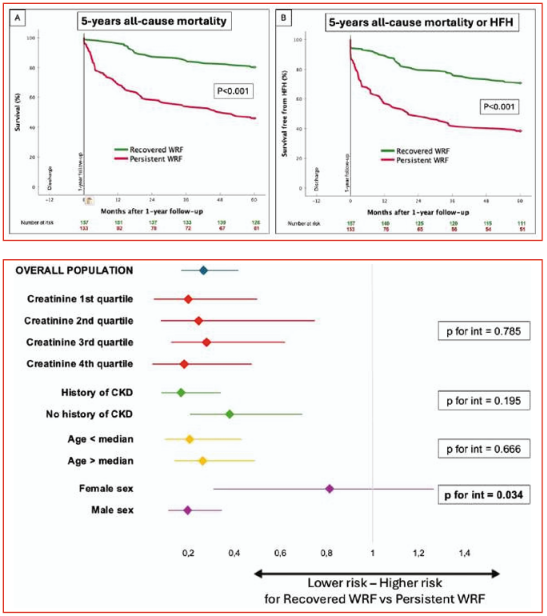
by Prateek Chopra | June 2, 2026 | Cardiology Conferences | ESC-HF 2026 Worsening renal function (WRF) frequently occurs during hospitalization for acute decompensated heart failure (ADHF), although its prognostic significance remains controversial because transient creatinine increases may reflect effective decongestion or initiation of guideline-directed medical therapy rather than irreversible renal injury. This study evaluated the rate of WRF recovery after

Recovery of Worsening Renal Func on A er Acute Heart Failure Read Post »

Long Term Outcomes with Sacubitril Valsartan in HFrEF: Insights From a Real World Cohort

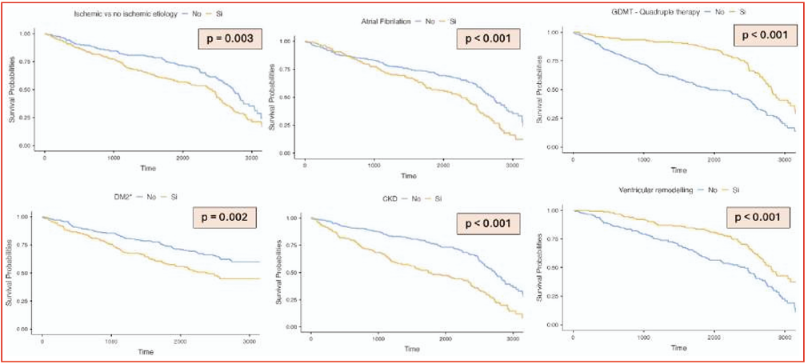
by Prateek Chopra | June 1, 2026 | Cardiology Conferences | ESC-HF 2026 Sacubitril–valsartan (SV) has shown prognostic benefits in patients with heart failure with reduced ejection fraction (HFrEF), although its long-term real-world impact remains unclear. This study assessed long-term outcomes associated with SV use in a real-world HFrEF cohort. The findings were presented at Heart Failure 2026, organized by the

Long Term Outcomes with Sacubitril Valsartan in HFrEF: Insights From a Real World Cohort Read Post »

The Positive Effect of Sacubitril/Valsartan Therapy on QRS Width and QTC Interval on Electrocardiogram in Heart Failure Patients With Reduced Ejection Fraction

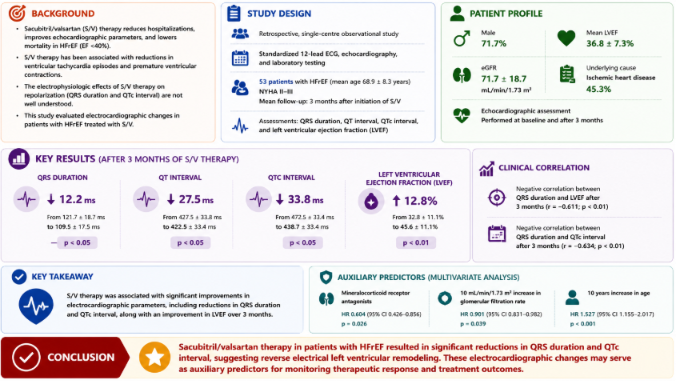
by Prateek Chopra | June 1, 2026 | Cardiology Conferences | ESC-HF 2026 Sacubitril/valsartan (S/V) therapy has been shown to reduce hospitalizations, improve echocardiographic parameters, and lower mortality in patients with heart failure with reduced ejection fraction (HFrEF; EF <40%). S/V therapy has also been associated with reductions in ventricular tachycardia episodes and premature ventricular contractions. However, the precise mechanism underlying

The Positive Effect of Sacubitril/Valsartan Therapy on QRS Width and QTC Interval on Electrocardiogram in Heart Failure Patients With Reduced Ejection Fraction Read Post »

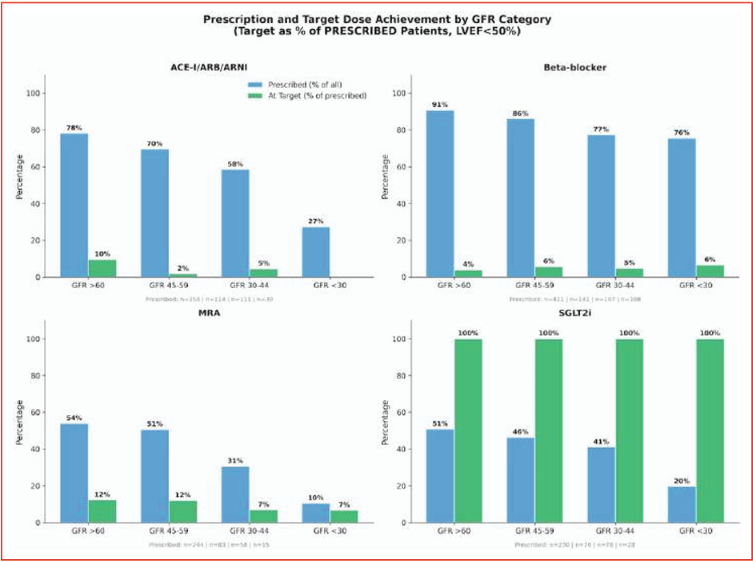
Understanding Non-prescrip on of Guideline-Directed Medical Therapy in AcuteHeart Failure And Advanced Kidney Disease: A Na on-Wide Study

by Prateek Chopra | May 31, 2026 | Cardiology Conferences | ESC-HF 2026 Heart failure (HF) and chronic kidney disease (CKD) commonly coexist and are associated with poor clinical outcomes. However, patients with advanced CKD have been underrepresented in major HF clinical trials, resulting in limited evidence regarding the safety and effectiveness of guideline-directed medical therapy (GDMT) in this high-risk population.

Understanding Non-prescrip on of Guideline-Directed Medical Therapy in AcuteHeart Failure And Advanced Kidney Disease: A Na on-Wide Study Read Post »

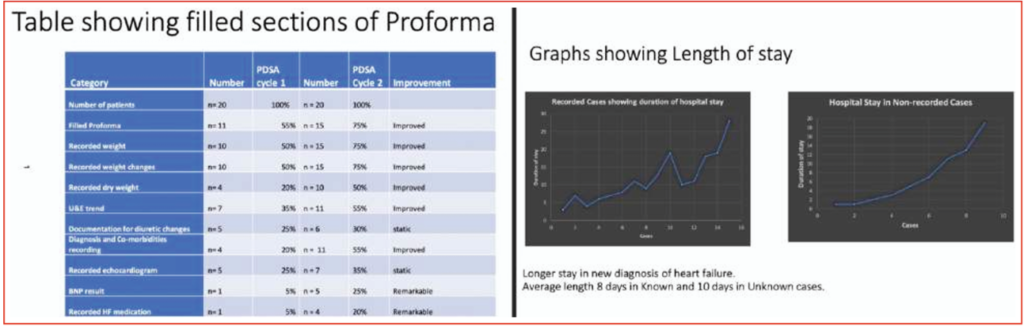
A New Monitoring System for Heart Failure Patients

by Prateek Chopra | May 31, 2026 | Cardiology Conferences | ESC-HF 2026 Management of acute and chronic HF requires continuous monitoring, yet existing workflows using multiple systems were fragmented and time-consuming. To improve care coordination and support NICOR/National Heart Failure Audit requirements, a new HF pro forma was introduced to streamline monitoring and data collection. The project aimed to improve

A New Monitoring System for Heart Failure Patients Read Post »

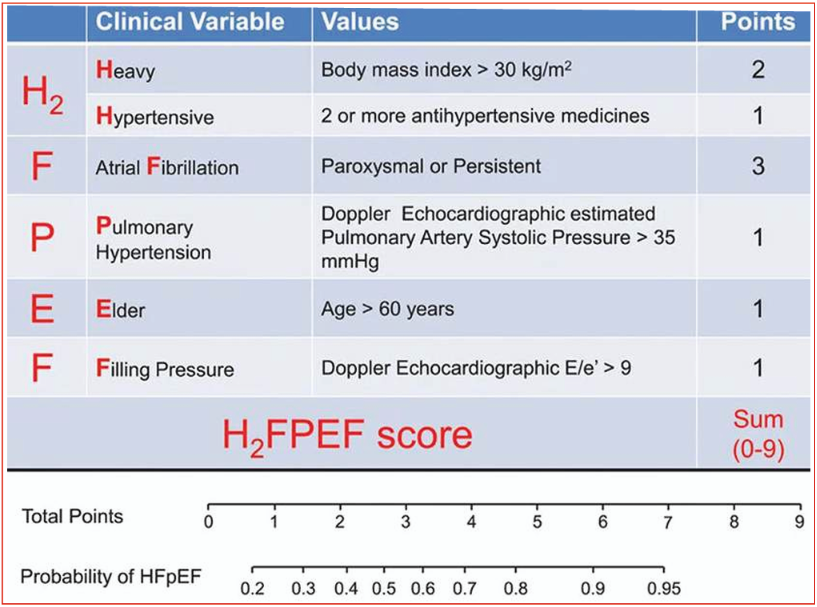
Iden fica on of HFpEF Using the H₂FPEF Score in Consecu vely Admi ed Pa entsWithout a Primary Heart Failure Diagnosis

by Prateek Chopra | May 31, 2026 | Cardiology Conferences | ESC-HF 2026 The 2021 European Society of Cardiology guidelines recommend a structured diagnostic approach incorporating clinical assessment, echocardiography, natriuretic peptides, and validated diagnostic scores such as the H₂FPEF score. With the availability of effective therapies capable of reducing morbidity and mortality in HFpEF, timely identification of affected patients has become

Iden fica on of HFpEF Using the H₂FPEF Score in Consecu vely Admi ed Pa entsWithout a Primary Heart Failure Diagnosis Read Post »

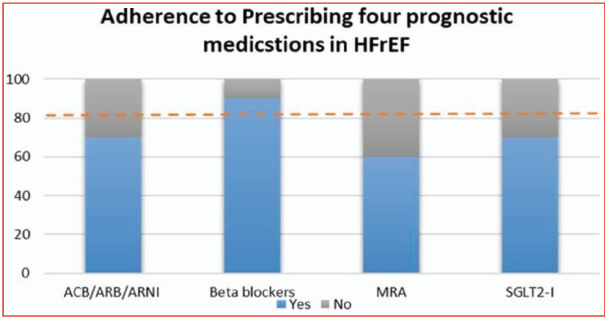
Are We Mee ng the Guidelines? A Review on Management of Heart FailurePa ents in a General Hospital in UK

by Prateek Chopra | May 30, 2026 | Cardiology Conferences | ESC-HF 2026 Heart failure (HF) remains associated with substantial mortality and morbidity despite advances in therapy. Guideline-directed medical therapy improves outcomes in heart failure with reduced ejection fraction (HFrEF); however, adherence in routine clinical practice remains variable. This study evaluated adherence to guideline-recommended diagnostic and therapeutic strategies among patients newly

Are We Mee ng the Guidelines? A Review on Management of Heart FailurePa ents in a General Hospital in UK Read Post »

Scroll to Top