Hypertension Management

What are HFimpEF, HFrecHF, and HFremEF?

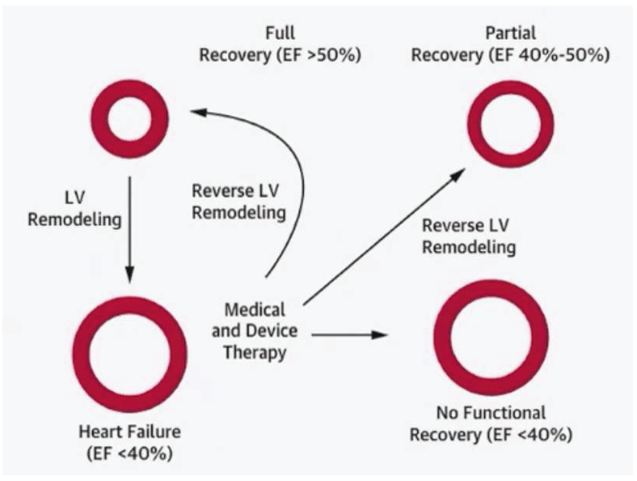
by Prateek Chopra | May 14, 2026 | Cardiology Conferences | ESC-HF 2026 Heart failure phenotypes characterized by improvement or recovery in le ventricular ejec on frac on (LVEF) have emerged as important clinical en es, leading to the evolving concepts of heart failure with improved ejec on frac on (HFimpEF), heart failure with recovered heart failure (HFrecHF/HFrecEF), and heart failure […]

What are HFimpEF, HFrecHF, and HFremEF? Read Post »
Clinical Practice Update – What Should We Do Di erently Now

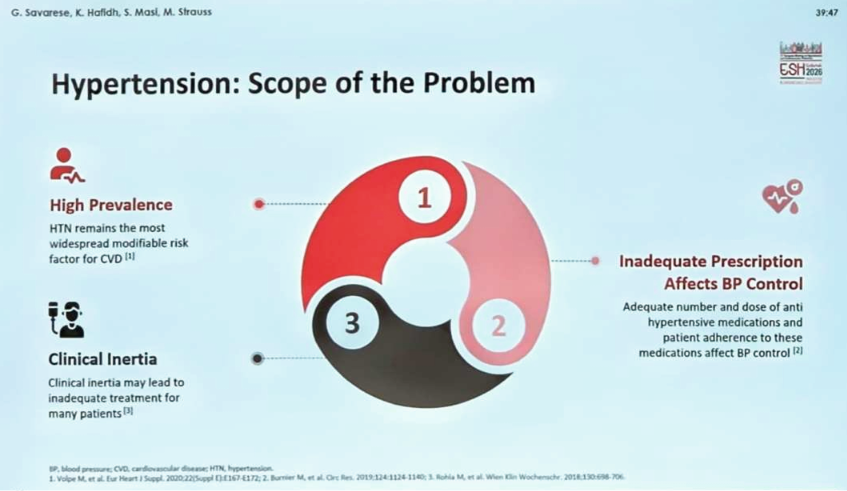
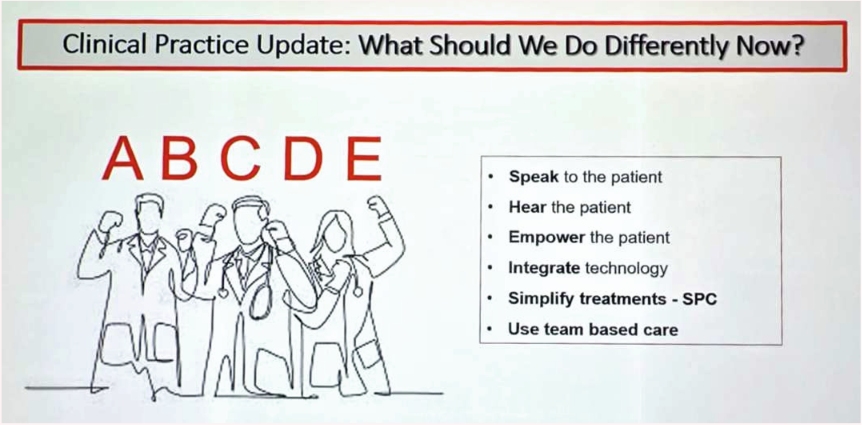
by Prateek Chopra | June 20, 2026 | Cardiology Conferences | ESH 2026 Study Background: Despite established guidelines, hypertension remains poorly controlled globally, particularly in primary care. Barriers to guideline implementation include structural, behavioral, and communication challenges across healthcare systems. This session outlined practical strategies to transform everyday hypertension management using insights from clinicians across Europe. Methodology & Framework: Key Insights:

Clinical Practice Update – What Should We Do Di erently Now Read Post »

Device Innovations: The Next Generation of Cardiovascular Technologies

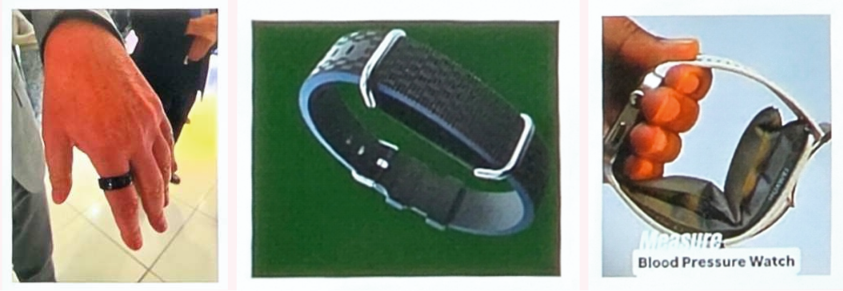
by Prateek Chopra | June 19, 2026 | Cardiology Conferences | ESH 2026 Study Background: Advances in cardiology are driving novel devices and techniques for cardiovascular disease management. Emerging technologies aim to improve monitoring, diagnostics, and personalized care, particularly in hypertension and cardiovascular risk assessment. Key Innovations: Cuffless and Wearable Blood Pressure Monitoring: Rings, watches, and wristbands enable continuous, convenient out-of-office

Device Innovations: The Next Generation of Cardiovascular Technologies Read Post »

Differential Use of Diuretics in Hypertensive Patients with Chronic Kidney Disease (CKD): The Joint ESH–ERA Session

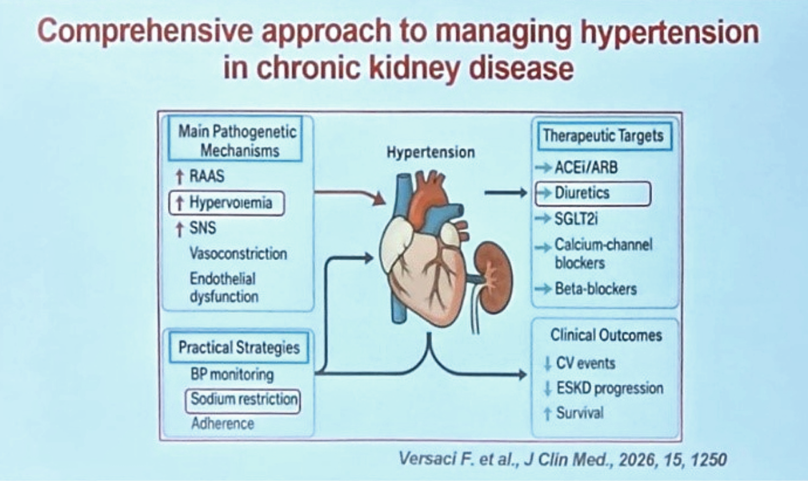
by Prateek Chopra | June 18, 2026 | Cardiology Conferences | ESH 2026 Clinical Background: Hypertension in chronic kidney disease (CKD) arises from sodium retention, RAAS activation, sympathetic overactivity, and endothelial dysfunction. High dietary salt intake accelerates CKD progression via proteinuria and glomerular hyperfiltration, making diuretics central to hypertension management. Evidence & Guideline Recommendations: Treatment-Resistant Hypertension: Clinical Implications: A tailored, CKD

Differential Use of Diuretics in Hypertensive Patients with Chronic Kidney Disease (CKD): The Joint ESH–ERA Session Read Post »

When and How to Use 24-h Ambulatory Blood PressureMonitoring in Patients with CKD

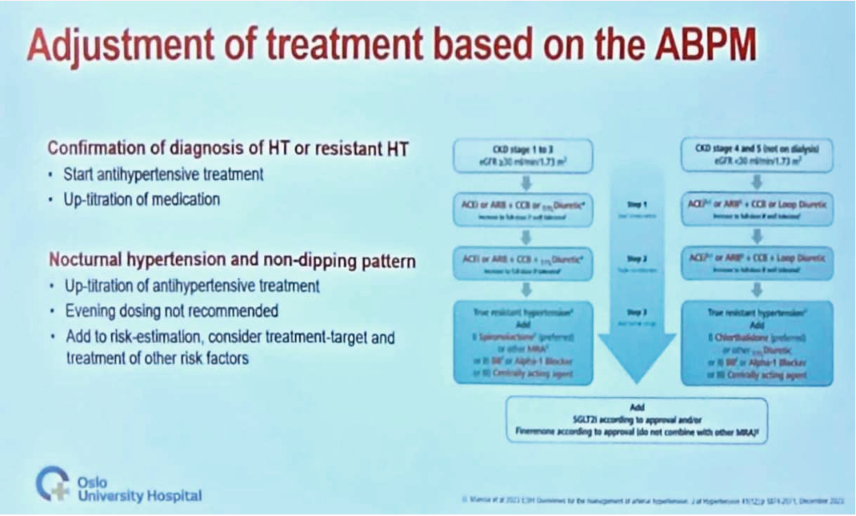
by Prateek Chopra | June 17, 2026 | Cardiology Conferences | ESH 2026 Study Background: Chronic kidney disease (CKD), defined as abnormalities of kidney structure or function persisting ≥3 months, is a growing global burden, ranking as the 10th leading cause of death and a major contributor to cardiovascular mortality. Hypertension is highly prevalent in CKD, and patients frequently exhibit true

When and How to Use 24-h Ambulatory Blood PressureMonitoring in Patients with CKD Read Post »

Personalised Prevention for Patients with Dyslipidaemia, Hypertension, and Elevated hs-CRP: The Key to Optimal Cardiovascular Care

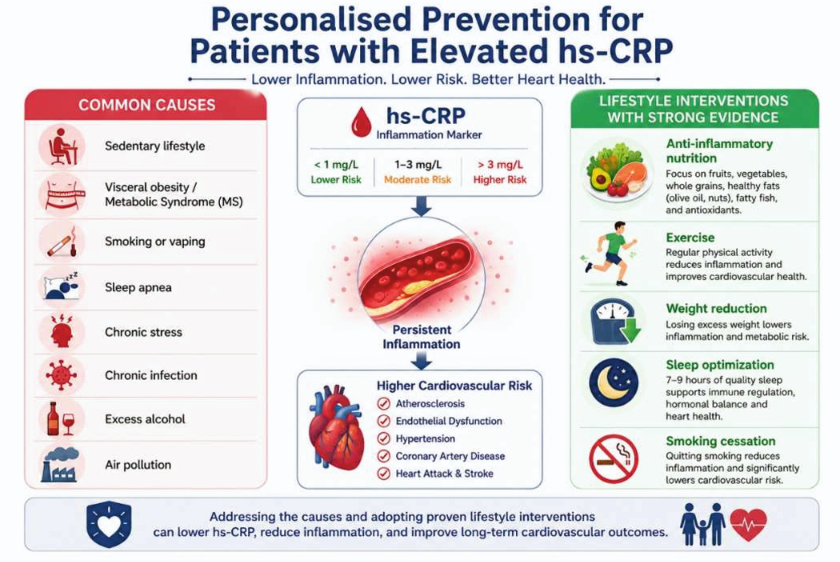
by Prateek Chopra | June 16, 2026 | Cardiology Conferences | ESH 2026 Background and Rationale: Cardiovascular disease (CVD) prevention is increasingly shifting from a population-based model to a personalized approach that integrates genetic risk, traditional risk factors, and inflammatory biomarkers. Precision medicine can enhance prevention strategies in patients with dyslipidemia, hypertension, and elevated inflammatory burden. Genetic Risk Assessment: Hemodynamic-Guided Hypertension

Personalised Prevention for Patients with Dyslipidaemia, Hypertension, and Elevated hs-CRP: The Key to Optimal Cardiovascular Care Read Post »

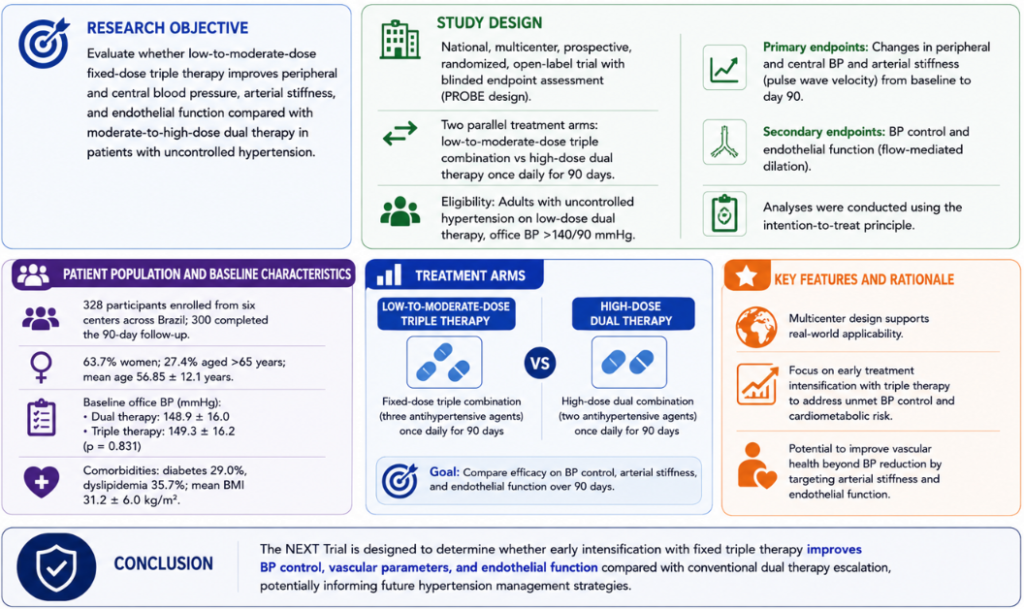
A Fixed-Dose Triple-Combination Therapy for the Initial Steps of Hypertension Treatment: Protocol for the NEXT RandomizedClinical Trial

by Prateek Chopra | June 15, 2026 | Cardiology Conferences | ESH 2026 Research Objective: Evaluate whether low-to-moderate-dose fixed-dose triple therapy improves peripheral and central blood pressure, arterial stiffness, and endothelial function compared with moderate-to-high-dose dual therapy in patients with uncontrolled hypertension. Study Design: Patient Population and Baseline Characteristics: Key Features and Rationale: The NEXT Trial is designed to determine whether

A Fixed-Dose Triple-Combination Therapy for the Initial Steps of Hypertension Treatment: Protocol for the NEXT RandomizedClinical Trial Read Post »

Managing the Complex Hypertensive Patients in a Multi-Morbid World

by Prateek Chopra | June 14, 2026 | Cardiology Conferences | ESH 2026 Research Objective: Examine the epidemiological burden of multimorbidity in hypertension, the interplay between HTN and common comorbidities, and evidence-based strategies for cardiovascular risk reduction in complex hypertensive patients. Study Context: Evidence and Data Sources: Patient Profile and Key Findings: Management requires individualized, goal-directed therapy focused on reducing cardiovascular

Managing the Complex Hypertensive Patients in a Multi-Morbid World Read Post »

The SATELLITE Trial: The Hidden Dimension of Hypertension Control

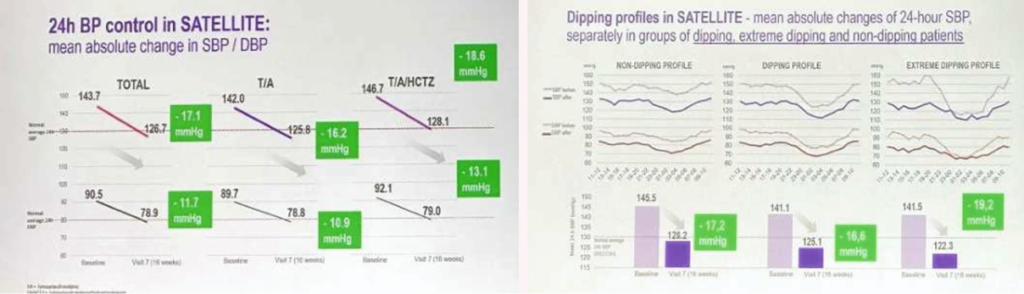
by Prateek Chopra | June 11, 2026 | Cardiology Conferences | ESH 2026 Therapeutic Objective: Evaluate the effects of telmisartan/amlodipine (T/A) and telmisartan/amlodipine/hydrochlorothiazide (T/A/HCTZ) SPCs on 24-hour blood pressure (BP), average real variability (ARV), and office BP control. Study Design: Baseline Characteristics: Key Findings: ARV Improvements: Clinical Implications: SATELLITE confirms that SPC therapy effectively reduces both BP and variability, highlighting additional

The SATELLITE Trial: The Hidden Dimension of Hypertension Control Read Post »

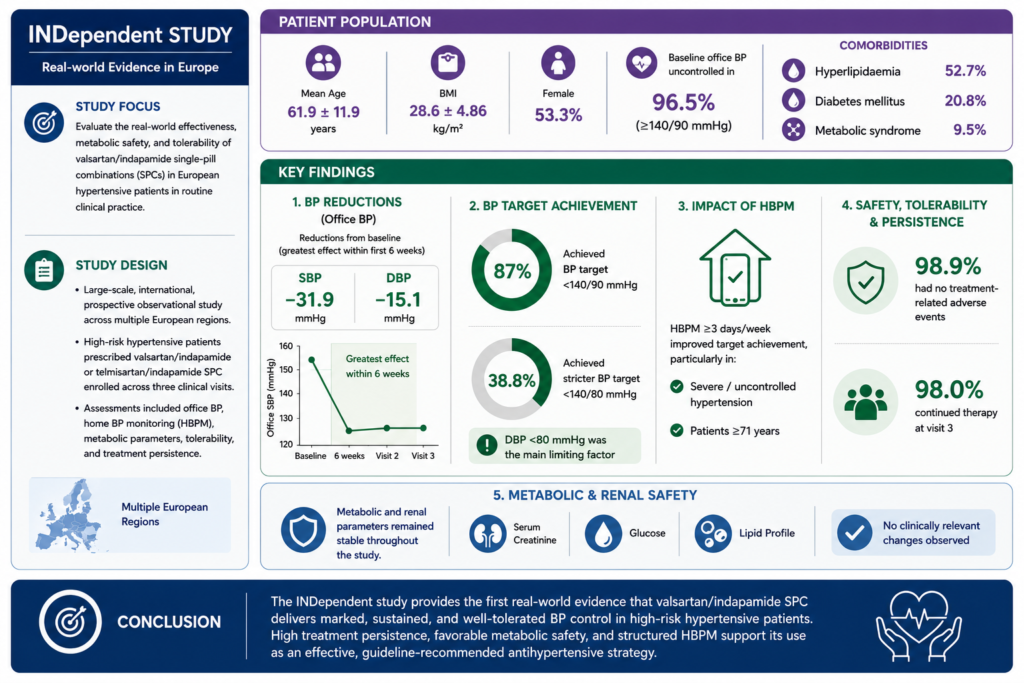
The INDependent Study: First Real-World Clinical Experience with an ARB/Indapamide Single-Pill Combination

by Prateek Chopra | June 11, 2026 | Cardiology Conferences | ESH 2026 Study Focus: Evaluate the real-world effectiveness, metabolic safety, and tolerability of valsartan/indapamide single-pill combinations (SPCs) in European hypertensive patients in routine clinical practice. Study Design: Patient Population: Key Findings: The INDependent study provides the first real-world evidence that valsartan/indapamide SPC delivers marked, sustained, and well-tolerated BP control in

The INDependent Study: First Real-World Clinical Experience with an ARB/Indapamide Single-Pill Combination Read Post »

Scroll to Top