ESC-HF Day 3

The Real-world Use of Benefit-unproven ARBs in HFrEF: Clinical Outcomes andPrescrip on Pa erns

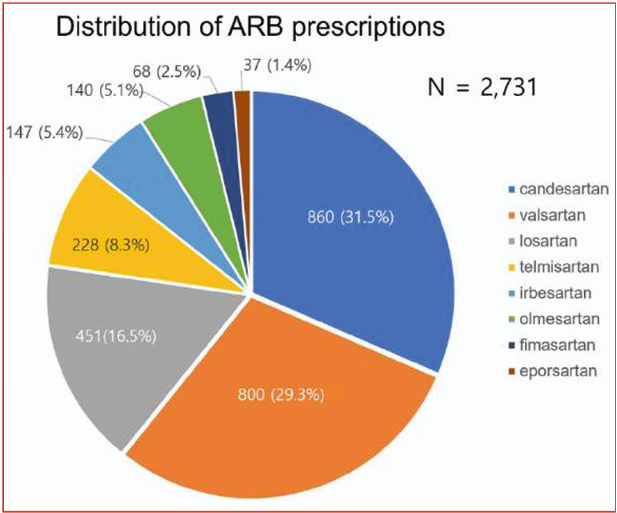
by Prateek Chopra | May 29, 2026 | Cardiology Conferences | ESC-HF 2026 In the contemporary management of heart failure with reduced ejection fraction (HFrEF; LVEF <40%), angiotensin II receptor blockers (ARBs) remain widely prescribed despite the increasing use of angiotensin receptor–neprilysin inhibitors. While valsartan, candesartan, and losartan have established clinical benefit in HFrEF, the outcomes associated with other ARBs remain […]
The Real-world Use of Benefit-unproven ARBs in HFrEF: Clinical Outcomes andPrescrip on Pa erns Read Post »

Impact of Sacubitril/Valsartan on Lipid Parameters in Pa ents with Heart Failure with Reduced Ejection Fraction

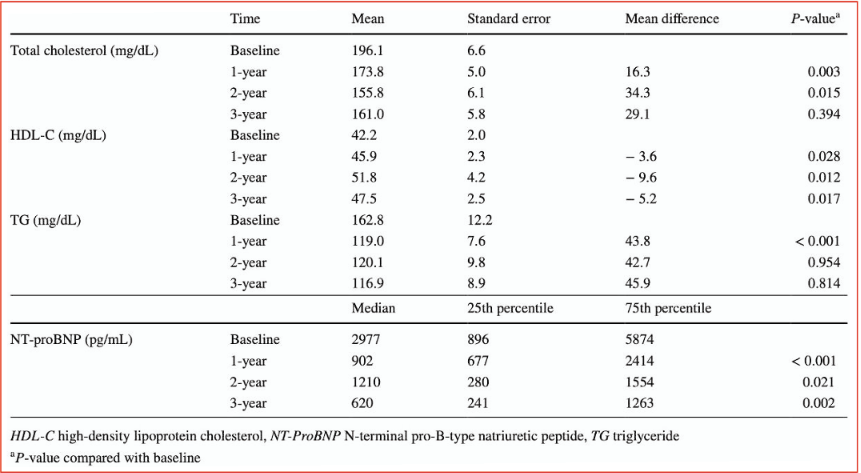
by Prateek Chopra | May 28, 2026 | Cardiology Conferences | ESC-HF 2026 Long-term modulation of lipid metabolism with angiotensin receptor–neprilysin inhibition in heart failure with reduced ejection fraction remains incompletely characterised, despite evidence suggesting metabolic effects mediated through neprilysin inhibition and enhanced natriuretic peptide signalling. This study evaluated the longitudinal effects of sacubitril/valsartan on lipid parameters and N-terminal pro-B-type natriuretic

Impact of Sacubitril/Valsartan on Lipid Parameters in Pa ents with Heart Failure with Reduced Ejection Fraction Read Post »

Is there Really a Clinical Benefit to Using the New Drugs for HFrEF in Real Life

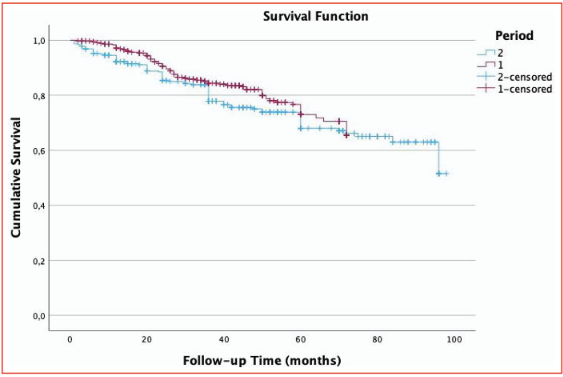
by Prateek Chopra | May 28, 2026 | Cardiology Conferences | ESC-HF 2026 Since 2017, several new therapies demonstrating clinical benefit in patients with HF and reduced left LVEF have been approved for clinical use. However, real-world evidence regarding the benefits of these therapies remains limited. The study aimed to analyse the characteristics and prognosis of patients with HFrEF prospectively followed

Is there Really a Clinical Benefit to Using the New Drugs for HFrEF in Real Life Read Post »

Door-to-GDMT Time: The Effect of De Novo Diagnosis of Heart Failure on Guideline-directed Medical Therapy Optimisation During the Rapid-up Titration Programme and on Prognosis

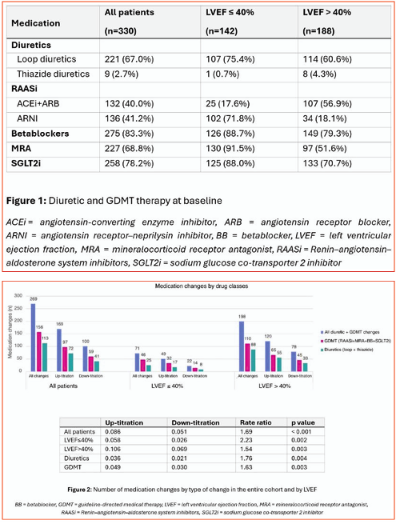
by Prateek Chopra | May 27, 2026 | Cardiology Conferences | ESC-HF 2026 Early initiation of guideline-directed medical therapy (GDMT) has shown significant prognostic benefits in heart failure (HF). Despite strong evidence for life-saving drug therapy, previous real-world registries of chronic HF patients have consistently revealed low prescription rates and underdosing of GDMT. Accordingly, the 2023 ESC HF guidelines recommend rapid

Door-to-GDMT Time: The Effect of De Novo Diagnosis of Heart Failure on Guideline-directed Medical Therapy Optimisation During the Rapid-up Titration Programme and on Prognosis Read Post »

Cardiac Contractility Modula on vs Guideline-Directed Medical Therapy in Symptomatic HFrEF with Narrow QRS: An Updated Systema c Review and Meta-Analysis

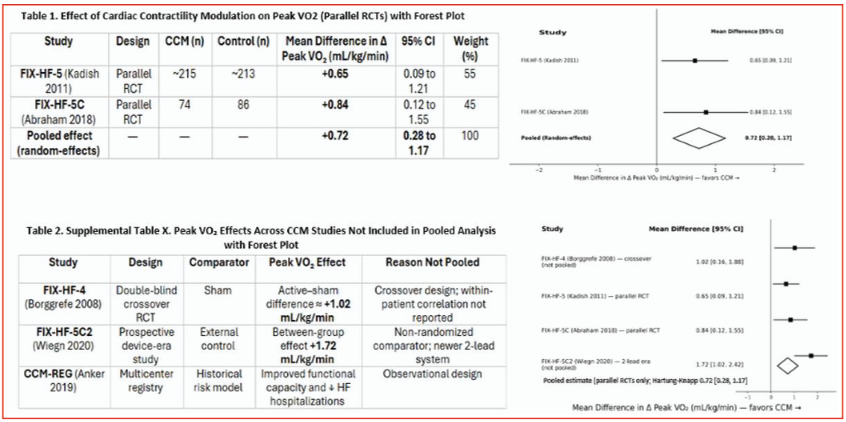
by Prateek Chopra | May 27, 2026 | Cardiology Conferences | ESC-HF 2026 Cardiac contractility modulation (CCM) is an implantable device-based therapy developed for patients with symptomatic heart failure with reduced ejection fraction (HFrEF) and narrow QRS complexes who are not eligible for cardiac resynchronization therapy. Earlier studies demonstrated improvements in exercise tolerance and symptoms with CCM; however, more recent randomized

Cardiac Contractility Modula on vs Guideline-Directed Medical Therapy in Symptomatic HFrEF with Narrow QRS: An Updated Systema c Review and Meta-Analysis Read Post »

STOP-DHF (A Non-invasive Hemodynamic-guided Strategy to Prevent Heart Failure Decompensation) Trial: Preliminary Results of Medical Therapy Interventions Study

by Prateek Chopra | May 26, 2026 | Cardiology Conferences | ESC-HF 2026 Elevated left ventricular filling pressures (LVFP) often precede heart failure (HF) decompensation by several days or weeks, creating an opportunity for early therapeutic intervention. Non-invasive remote hemodynamic monitoring may enable timely and targeted medication adjustments to prevent worsening HF and improve outcomes. The STOP-DHF trial evaluated the impact

STOP-DHF (A Non-invasive Hemodynamic-guided Strategy to Prevent Heart Failure Decompensation) Trial: Preliminary Results of Medical Therapy Interventions Study Read Post »

VECTOR-HF II: Preliminary Insights on Physician-Directed Patient Self-Management in HF

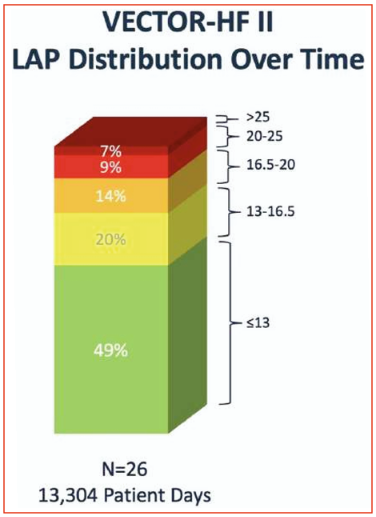
by Prateek Chopra | May 26, 2026 | Cardiology Conferences | ESC-HF 2026 Implantable hemodynamic monitoring has been associated with reduced heart failure (HF) hospitalizations through earlier detection of congestion and more individualized treatment adjustments. A patient self-management (PSM) strategy guided by physicians may further improve adherence, reduce dependence on frequent caregiver intervention, and enable timely optimization of therapy. The VECTOR-HF

VECTOR-HF II: Preliminary Insights on Physician-Directed Patient Self-Management in HF Read Post »

Scroll to Top