Chronic Kidney Disease (CKD)

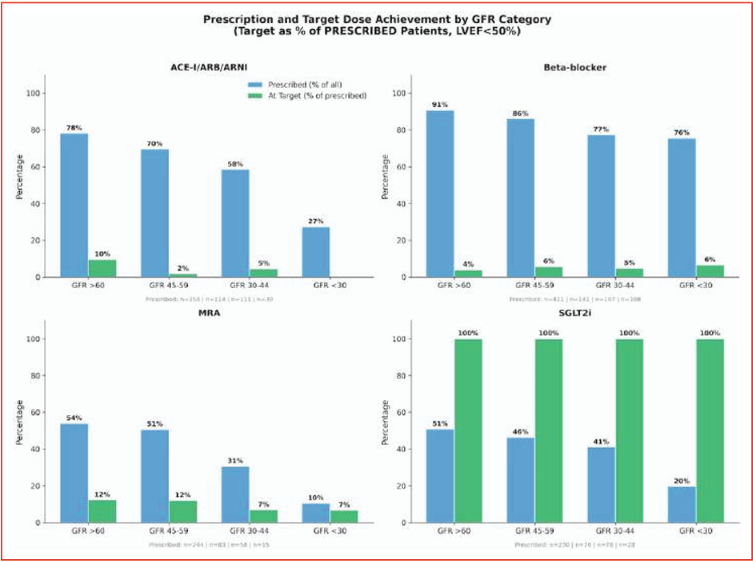
Understanding Non-prescrip on of Guideline-Directed Medical Therapy in AcuteHeart Failure And Advanced Kidney Disease: A Na on-Wide Study

by Prateek Chopra | May 31, 2026 | Cardiology Conferences | ESC-HF 2026 Heart failure (HF) and chronic kidney disease (CKD) commonly coexist and are associated with poor clinical outcomes. However, patients with advanced CKD have been underrepresented in major HF clinical trials, resulting in limited evidence regarding the safety and effectiveness of guideline-directed medical therapy (GDMT) in this high-risk population. […]
Understanding Non-prescrip on of Guideline-Directed Medical Therapy in AcuteHeart Failure And Advanced Kidney Disease: A Na on-Wide Study Read Post »

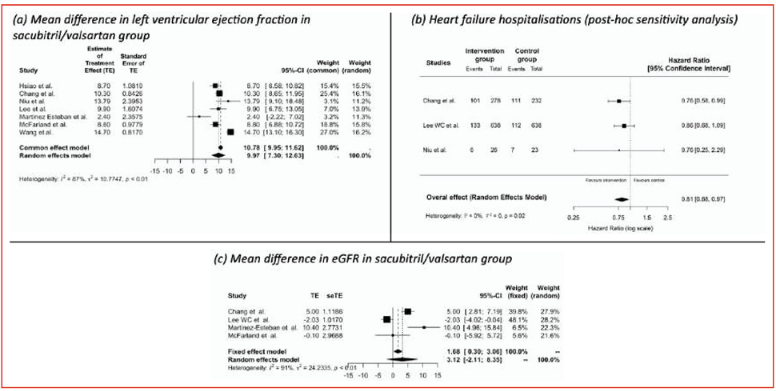
Efficacy and Safety of Sacubitril/Valsartan in the Management of Heart Failure with Reduced Ejection on Fraction on and Chronic Kidney Disease: A Systema c Review and Meta-Analysis

by Prateek Chopra | May 23, 2026 | Cardiology Conferences | ESC-HF 2026 Patients with heart failure with reduced ejection fraction (HFrEF) and advanced chronic kidney disease (CKD) have limited therapeutic options and poor prognosis. Although sacubitril/valsartan has improved outcomes in HFrEF, major trials excluded patients with CKD stage 4 or higher, leaving uncertainty regarding its efficacy and safety in this

Efficacy and Safety of Sacubitril/Valsartan in the Management of Heart Failure with Reduced Ejection on Fraction on and Chronic Kidney Disease: A Systema c Review and Meta-Analysis Read Post »

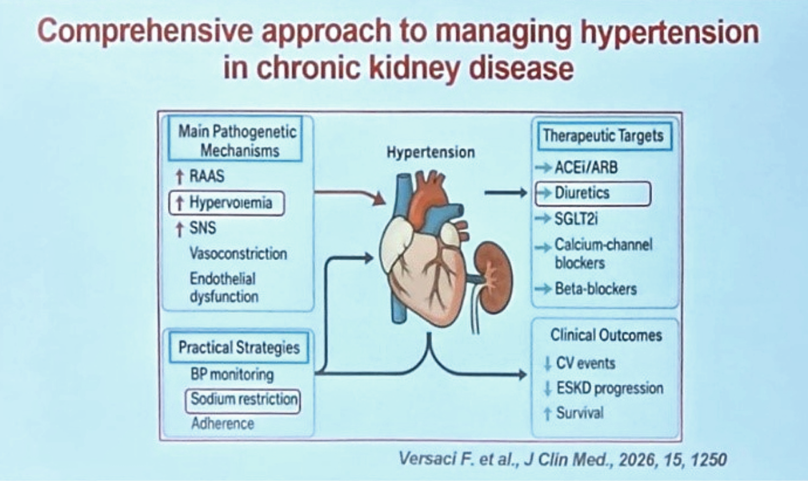
Differential Use of Diuretics in Hypertensive Patients with Chronic Kidney Disease (CKD): The Joint ESH–ERA Session

by Prateek Chopra | June 18, 2026 | Cardiology Conferences | ESH 2026 Clinical Background: Hypertension in chronic kidney disease (CKD) arises from sodium retention, RAAS activation, sympathetic overactivity, and endothelial dysfunction. High dietary salt intake accelerates CKD progression via proteinuria and glomerular hyperfiltration, making diuretics central to hypertension management. Evidence & Guideline Recommendations: Treatment-Resistant Hypertension: Clinical Implications: A tailored, CKD

Differential Use of Diuretics in Hypertensive Patients with Chronic Kidney Disease (CKD): The Joint ESH–ERA Session Read Post »

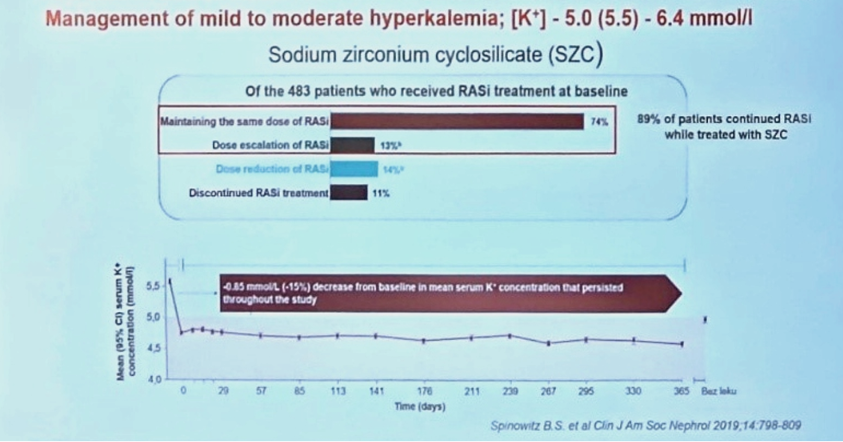
Use of Renin-Angiotensin System Inhibitors in Patients with CKDStage 4 and 5: What to Do and What Not to Do

by Prateek Chopra | June 18, 2026 | Cardiology Conferences | ESH 2026 Clinical Rationale: RAS inhibitors (RASi) reduce CKD progression and cardiovascular risk but are frequently discontinued in patients with eGFR <30 ml/min/1.73m² due to concerns about hyperkalemia, hypotension, and renal function deterioration. Evidence Review: Management of Hyperkalemia: Consequences of RASi Discontinuation: Clinical Implications: In patients with CKD G4–G5, RASi

Use of Renin-Angiotensin System Inhibitors in Patients with CKDStage 4 and 5: What to Do and What Not to Do Read Post »

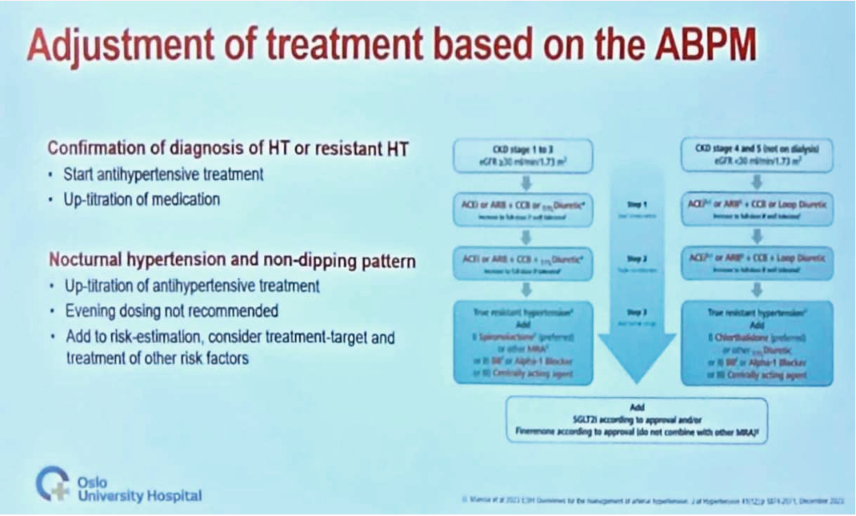
When and How to Use 24-h Ambulatory Blood PressureMonitoring in Patients with CKD

by Prateek Chopra | June 17, 2026 | Cardiology Conferences | ESH 2026 Study Background: Chronic kidney disease (CKD), defined as abnormalities of kidney structure or function persisting ≥3 months, is a growing global burden, ranking as the 10th leading cause of death and a major contributor to cardiovascular mortality. Hypertension is highly prevalent in CKD, and patients frequently exhibit true

When and How to Use 24-h Ambulatory Blood PressureMonitoring in Patients with CKD Read Post »

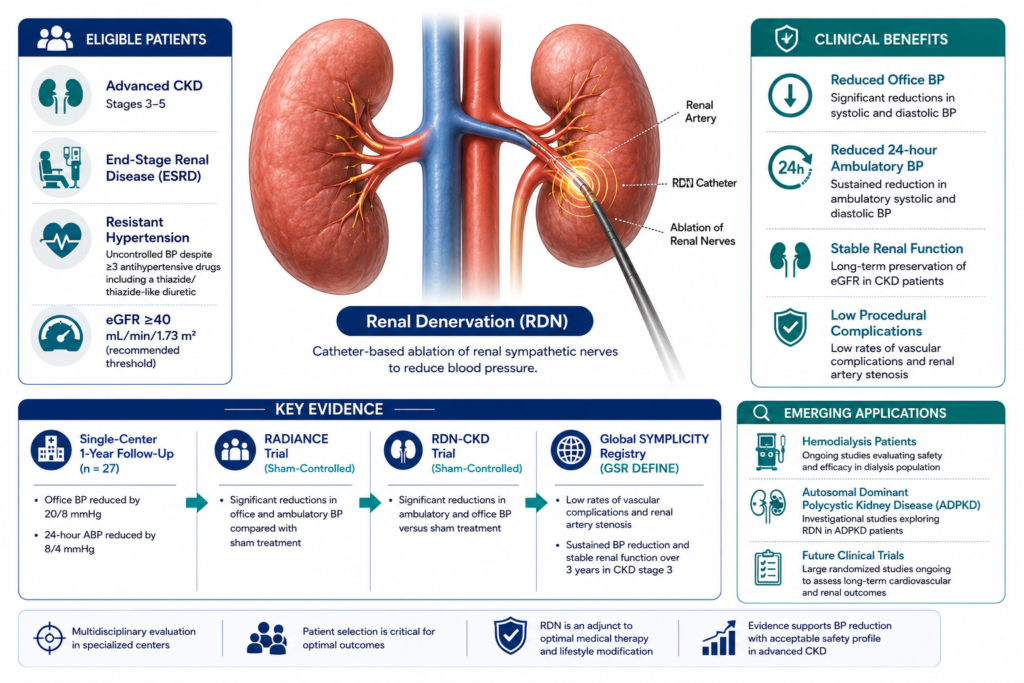
Renal Denervation for Resistant Hypertension in CKD and ESRD: ESH 2026 Clinical Update

by Prateek Chopra | June 4, 2026 | Cardiology Conferences | ESH 2026 Clinical Rationale: Renal denervation (RDN) is being evaluated as an adjunctive therapy for patients with advanced CKD, end-stage renal disease (ESRD), and resistant hypertension. Current evidence is drawn from ESH/ESC recommendations, sham-controlled randomized trials, registries, observational studies, and ongoing clinical protocols. Current Recommendations: Key Evidence: Emerging Applications: Renal

Renal Denervation for Resistant Hypertension in CKD and ESRD: ESH 2026 Clinical Update Read Post »

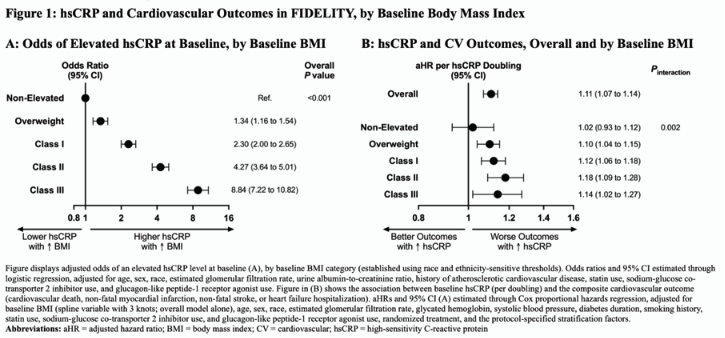
Inflammation, Body Mass Index, and Cardiovascular Outcomes in Chronic Kidney Disease and Type 2 Diabetes

by Prateek Chopra | July 3, 2026 | Diabetes Conferences | ADA 2026 Cardiovascular Risk Assessment Methods Study Population Key Findings Effect of Finerenone Clinical Implications Low-grade inflammation and obesity jointly contribute to cardiovascular risk in CKD and T2D. Finerenone maintained consistent cardioprotective benefits across all hsCRP and BMI categories, supporting its use for cardiovascular risk reduction in this high-risk

Inflammation, Body Mass Index, and Cardiovascular Outcomes in Chronic Kidney Disease and Type 2 Diabetes Read Post »

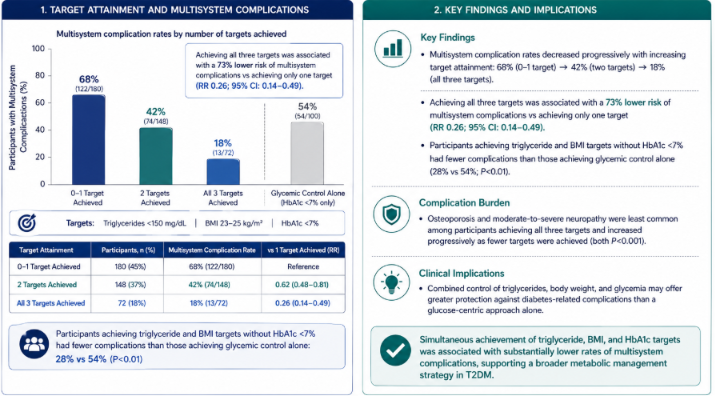
Triple Target Achievement in Type 2 Diabetes: Synergistic Reduction in Multisystem Complications

by Prateek Chopra | July 2, 2026 | Diabetes Conferences | ADA 2026 Renal Health Focus Methods Key Findings Clinical Implications Microalbuminuria and renal resistive index were strongly correlated in individuals with diabetes and hypertension. Their combined assessment may enhance early detection of renal dysfunction and support timely intervention in high-risk patients.

Triple Target Achievement in Type 2 Diabetes: Synergistic Reduction in Multisystem Complications Read Post »

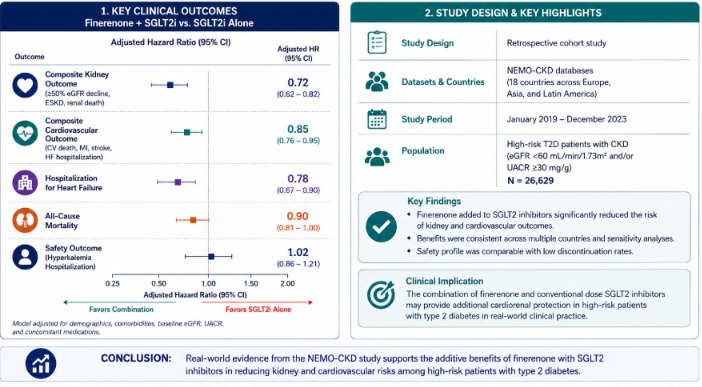
Comparative Efficacy of Combined Finerenone and Conventional-Dose ARB vs. High-Dose ARB on Renal Markers in Type 2 Diabetes Patients with Stage 1–3 Diabetic Nephropathy Receiving SGLT2i

by Prateek Chopra | July 1, 2026 | Diabetes Conferences | ADA 2026 Study Overview Methods Treatment Groups Baseline Characteristics Renal Outcomes Cardiometabolic Outcomes Safety Findings Clinical Implications High-dose ARB therapy and conventional-dose ARB combined with finerenone demonstrated similar improvements in renal markers over 6 months in patients with diabetic nephropathy receiving SGLT2 inhibitors. Both strategies appear to be viable

Comparative Efficacy of Combined Finerenone and Conventional-Dose ARB vs. High-Dose ARB on Renal Markers in Type 2 Diabetes Patients with Stage 1–3 Diabetic Nephropathy Receiving SGLT2i Read Post »

Scroll to Top