Latest Medical News
Diabetes Self-Management Education and Support (DSMES): PWD Perspective
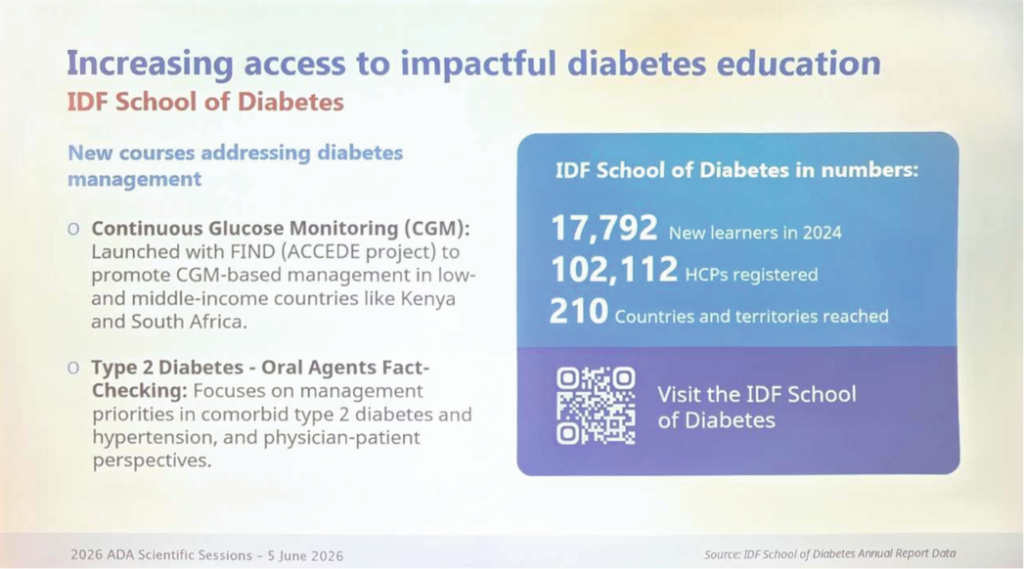
Significant gaps in diabetes education and support continue to aect both people with diabetes and healthcare professionals worldwide. Expanding access to DSMES, strengthening professional education, and integrating patient-centred support programs are essential to improving diabetes outcomes and reducing disparities in diabetes care globally.
Scope of Practice for Certified Diabetes Care and Education Specialists (CDCES) to Deliver DSMES
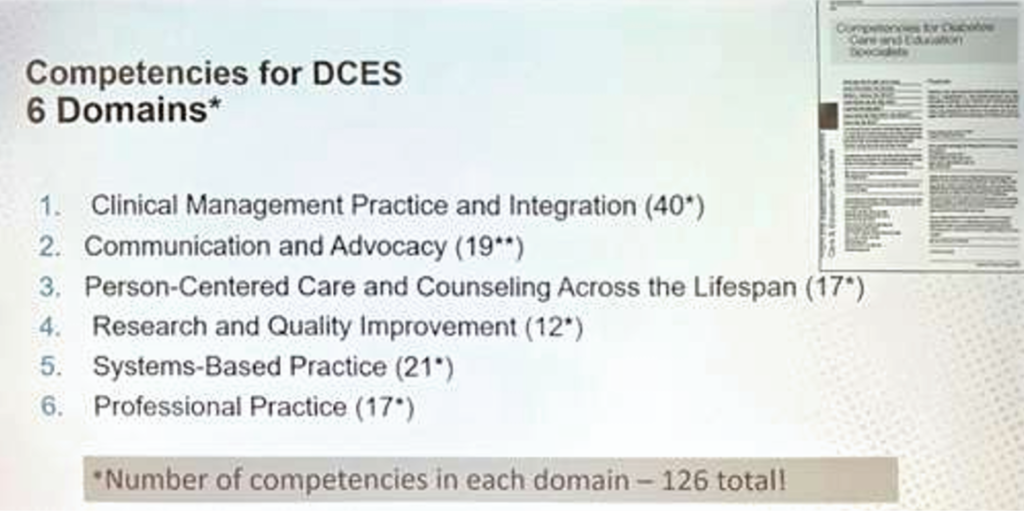
Effective diabetes education relies on a combination of certification, competency-based training, clinical experience, and institutional support. Expanding access to credentialing, mentorship, and professional development opportunities can strengthen the diabetes care workforce and improve the quality of DSMES delivered to people living with diabetes. support programs are essential to improving diabetes outcomes and reducing disparities in diabetes care globally.
Movement Breaks Improve Cardiovascular Risk Factors in Adults with Type 2 Diabetes: A Randomized Controlled Trial
This 12-week randomized trial demonstrated that incorporating brief daily movement breaks into routine activities can significantly improve blood pressure control and enhance achievement of key diabetes care targets in adults with T2D. While no significant eects were observed on LDL-cholesterol levels or overall attainment of all three ABC targets, clinically meaningful reductions in both systolic and diastolic blood pressure were achieved. Importantly, benefits were observed irrespective of movement intensity, suggesting that even low-intensity activity breaks may be eective. These findings support short, structured movement breaks as a simple, scalable, and practical lifestyle intervention to improve cardiovascular risk profiles in people living with T2D

Rates of Cardiovascular Disease and Heart Failure Among Diabetes Subtypes Relative to Adults Without Diabetes
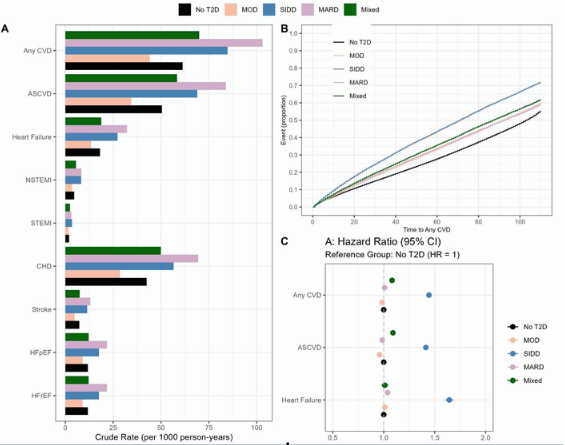
Although all T2D subtypes were associated with increased cardiovascular risk, Severe Insulin-Deficient Diabetes (SIDD) carried the highest burden of ASCVD and heart failure. These findings support the use of diabetes subtype classification to improve cardiovascular risk stratification and guide targeted prevention eorts in clinical practice.
PCE, PREVENT, SCORE2-Diabetes: Understanding the CVD Risk Prediction Tools in People with Diabetes
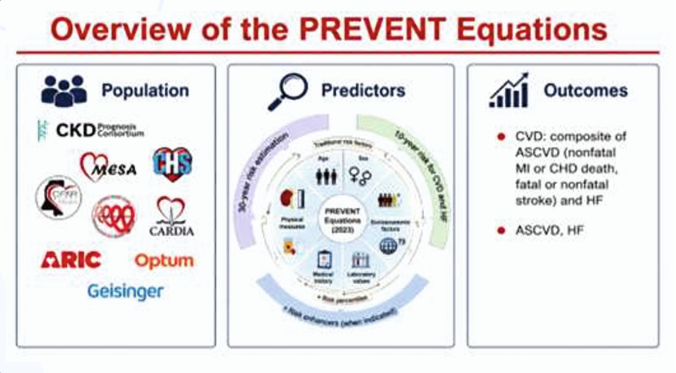
PREVENT and SCORE2-Diabetes represent important advances in cardiovascular risk prediction for people with diabetes. By incorporating diabetes-specific factors and broader cardiometabolic risk profiles, these models enable more precise risk stratification and support personalized cardiovascular prevention strategies.
Biomarkers: Which Ones Are Worthwhile? (Personalised Risk)
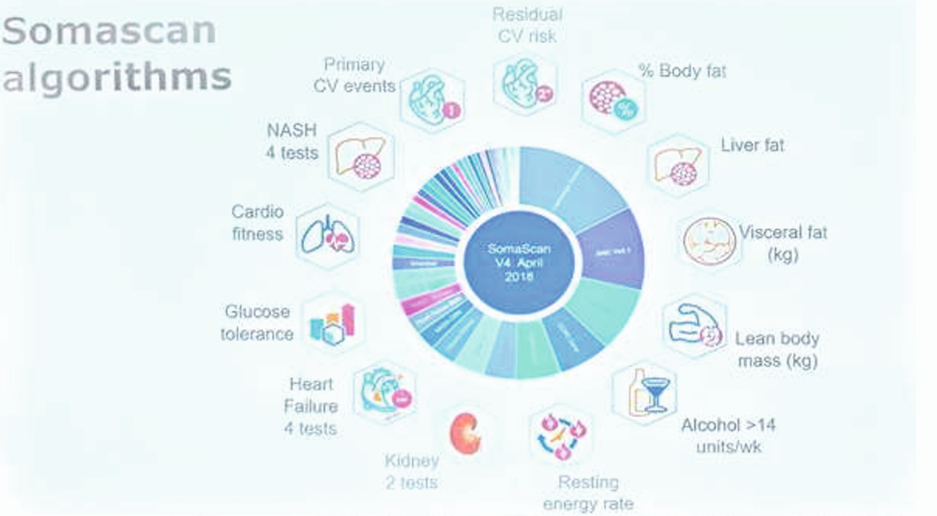
Biomarkers such as ApoB, Lp(a), cystatin C, high-sensitivity troponin, and NT-proBNP can provide additional insights into cardiovascular risk in people with T2D. However, their greatest value lies in complementing traditional clinical risk factors, enabling a more personalized approach to cardiovascular risk assessment and prevention.
Imaging: Incorporating Imaging Findings into Risk Assessment and Prevention Strategies
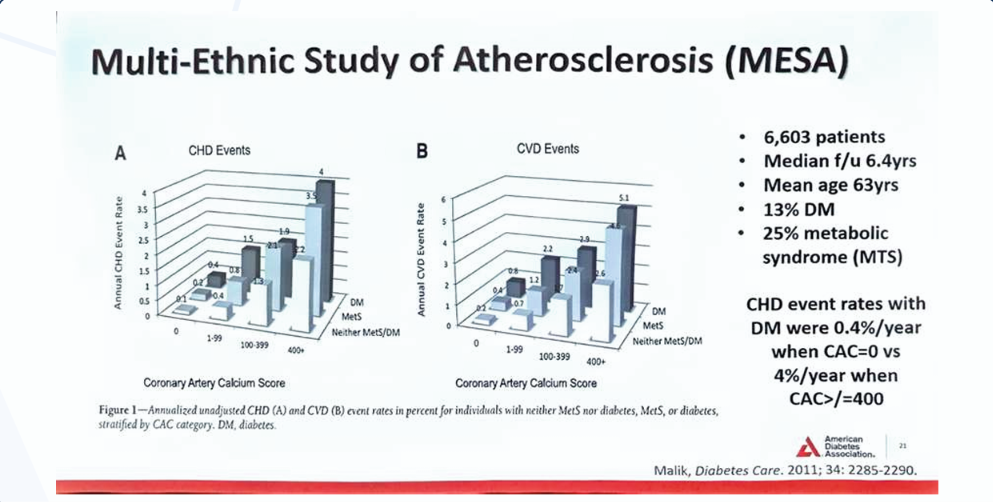
Imaging findings, particularly coronary artery calcification, provide valuable information for cardiovascular risk stratification in people with diabetes. Incorporating CAC assessment and lipoprotein(a) testing into routine practice may facilitate earlier identification of high risk individuals and support more eective preventive cardiovascular care. clinical risk factors, enabling a more personalized approach to cardiovascular risk assessment and prevention.
Effects of Ketogenic and Low-Carbohydrate Diet on Glucose and Weight Control in T2DM Patients Along with Metabolome Change
The ketogenic diet produced the greatest improvements in glycemic control and weight reduction among obese individuals with T2DM, while both ketogenic and low-carbohydrate diets were beneficial in overweight patients. Distinct metabolomic signatures associated with each dietary approach may facilitate personalized nutrition strategies and improve metabolic outcomes in people with T2DM.
Cost-E ectiveness of Age-Specific Remote Education to Initiate and Sustain Use of CGM in Older Adults with Diabetes on Insulin
Long-term projections based on the REST intervention demonstrated meaningful reductions in diabetes- and cardiovascular-related complications, lower mortality, and improved quality-adjusted survival in older adults with insulin-treated diabetes. These findings support the value of geriatric tailored CGM education as a cost effective strategy for improving outcomes in this high-risk population.
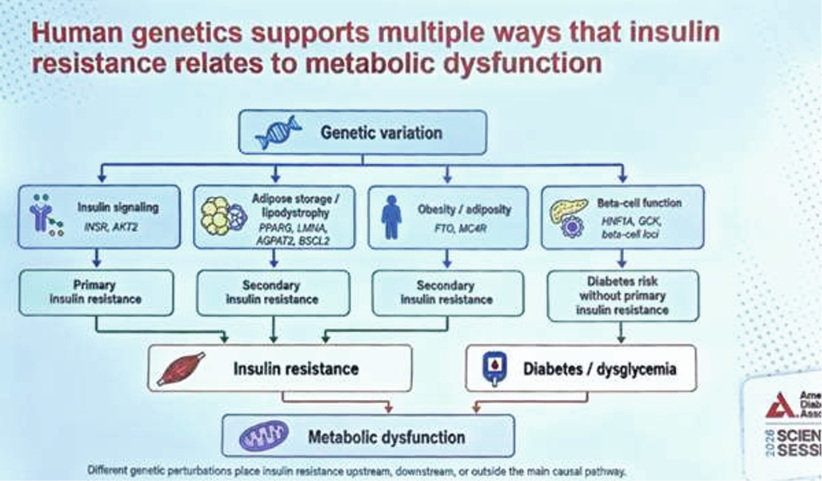
Insulin Resistance: A Cause or Consequence of Metabolic Dysfunction? A Genetic Perspective with Evidence for the Existence of Both
Human genetic evidence indicates that insulin resistance arises through multiple biological pathways rather than a single mechanism. Recognizing these distinct genetic architectures may improve precision medicine approaches, enable more accurate diabetes risk stratification, and support the development of targeted therapeutic strategies