
by Prateek Chopra | May 22, 2026 | Cardiology Conferences | ESC-HF 2026
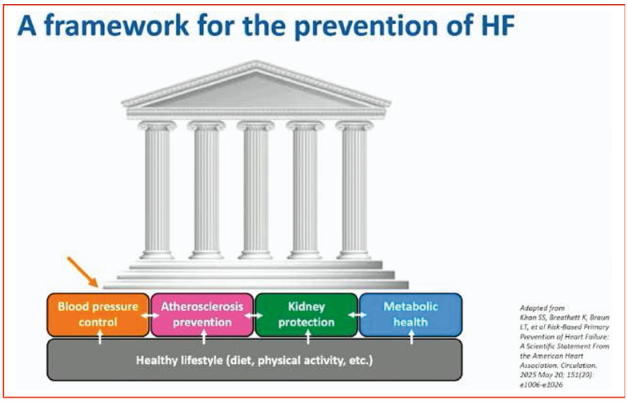
Heart failure (HF) prevention is increasingly focused on early intervention targeting cardiometabolic, inflammatory, renal, and neurohormonal pathways before the development of symptomatic disease. Emerging evidence suggests that integrated preventive strategies can substantially reduce incident HF, cardiovascular (CV) events, and progression of chronic kidney disease (CKD). The findings were presented at Heart Failure 2026, organized by the European Society of Cardiology, held in Barcelona, Spain, from 9–12 May 2026.
Recent clinical evidence and ongoing trials highlighted several novel preventive therapies in high-risk populations with hypertension, obesity, diabetes, CKD, and established cardiovascular disease. Aldosterone synthase inhibitors (ASIs), including baxdrostat and vicadrostat, demonstrated sustained reductions in systolic blood pressure and suppression of aldosterone-driven fibrosis, inflammation, and oxidative stress while potentially avoiding hyperkalemia observed with mineralocorticoid receptor antagonists. The Prevent-HF, BaxDuo-Arctic, BaxDuo-Pacific, and EASi-KIDNEY trials are evaluating whether combined ASI and SGLT2 inhibitor therapy can reduce HF hospitalization, renal decline, and cardiovascular mortality.
RNA interference therapy with zilebesiran achieved greater than 95% reductions in serum angiotensinogen with durable blood pressure lowering after infrequent dosing, supporting its role in long-term hypertension control. The ongoing ZENITH Trial is enrolling nearly 11,000 patients to assess effects on major adverse cardiovascular events, stroke, myocardial infarction, and HF outcomes. Inflammation-targeted therapy was another major focus, with interleukin-6 inhibition using ziltivekimab demonstrating reductions in inflammatory biomarkers including high-sensitivity C-reactive protein and currently undergoing evaluation in the ZEUS and ARTEMIS trials for prevention of cardiovascular death, myocardial infarction, stroke, and HF progression.
Anti-obesity agents including tirzepatide, survodutide, retatrutide, cagrisema, and maridebart cafraglutide showed substantial weight reduction and cardiometabolic improvement in obesity and diabetes trials, with ongoing studies assessing reductions in HF events and CV mortality. Additional preventive approaches included artificial intelligence-based HF risk prediction, telemonitoring, injectable prevention strategies, and targeted screening of underserved populations.
Collectively, these findings support a paradigm shift toward earlier, personalized, and mechanism-based HF prevention with potential to significantly reduce future HF burden and cardiovascular complications.