Heart Failure with Reduced Ejection Fraction (HFrEF)

Long Term Outcomes with Sacubitril Valsartan in HFrEF: Insights From a Real World Cohort

by Prateek Chopra | June 1, 2026 | Cardiology Conferences | ESC-HF 2026 Sacubitril–valsartan (SV) has shown prognostic benefits in patients with heart failure with reduced ejection fraction (HFrEF), although its long-term real-world impact remains unclear. This study assessed long-term outcomes associated with SV use in a real-world HFrEF cohort. The findings were presented at Heart Failure 2026, organized by the […]

Long Term Outcomes with Sacubitril Valsartan in HFrEF: Insights From a Real World Cohort Read Post »
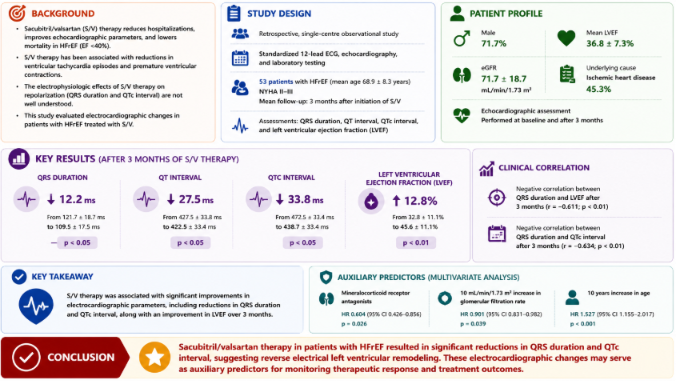
The Positive Effect of Sacubitril/Valsartan Therapy on QRS Width and QTC Interval on Electrocardiogram in Heart Failure Patients With Reduced Ejection Fraction

by Prateek Chopra | June 1, 2026 | Cardiology Conferences | ESC-HF 2026 Sacubitril/valsartan (S/V) therapy has been shown to reduce hospitalizations, improve echocardiographic parameters, and lower mortality in patients with heart failure with reduced ejection fraction (HFrEF; EF <40%). S/V therapy has also been associated with reductions in ventricular tachycardia episodes and premature ventricular contractions. However, the precise mechanism underlying

The Positive Effect of Sacubitril/Valsartan Therapy on QRS Width and QTC Interval on Electrocardiogram in Heart Failure Patients With Reduced Ejection Fraction Read Post »

Are We Mee ng the Guidelines? A Review on Management of Heart FailurePa ents in a General Hospital in UK

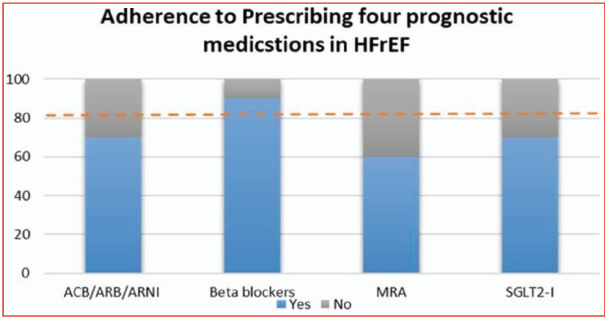
by Prateek Chopra | May 30, 2026 | Cardiology Conferences | ESC-HF 2026 Heart failure (HF) remains associated with substantial mortality and morbidity despite advances in therapy. Guideline-directed medical therapy improves outcomes in heart failure with reduced ejection fraction (HFrEF); however, adherence in routine clinical practice remains variable. This study evaluated adherence to guideline-recommended diagnostic and therapeutic strategies among patients newly

Are We Mee ng the Guidelines? A Review on Management of Heart FailurePa ents in a General Hospital in UK Read Post »

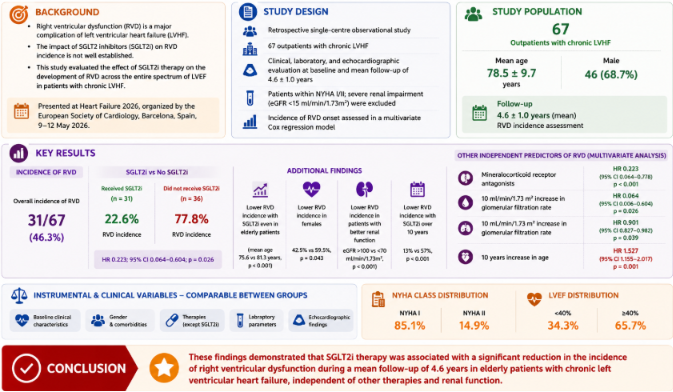
Effect of SGLT2 Inhibitors on the Incidence of Right Ventricular Dysfunction in Patients with Chronic Heart Failure

by Prateek Chopra | May 30, 2026 | Cardiology Conferences | ESC-HF 2026 Right ventricular dysfunction (RVD) is a major complication of left ventricular heart failure (LVHF), and although neurohormonal modulation improves prognosis in LVHF, its impact on reducing RVD incidence remains limited. Data regarding the association between sodium-glucose cotransporter 2 inhibitors (SGLT2i) and RVD incidence are currently lacking. This study

Effect of SGLT2 Inhibitors on the Incidence of Right Ventricular Dysfunction in Patients with Chronic Heart Failure Read Post »

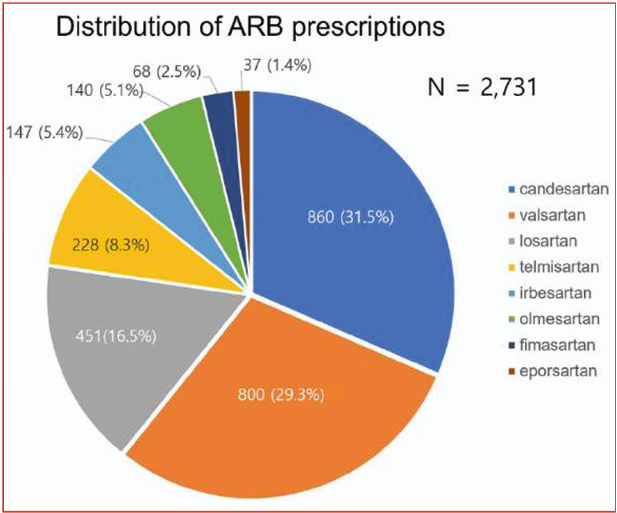
The Real-world Use of Benefit-unproven ARBs in HFrEF: Clinical Outcomes andPrescrip on Pa erns

by Prateek Chopra | May 29, 2026 | Cardiology Conferences | ESC-HF 2026 In the contemporary management of heart failure with reduced ejection fraction (HFrEF; LVEF <40%), angiotensin II receptor blockers (ARBs) remain widely prescribed despite the increasing use of angiotensin receptor–neprilysin inhibitors. While valsartan, candesartan, and losartan have established clinical benefit in HFrEF, the outcomes associated with other ARBs remain

The Real-world Use of Benefit-unproven ARBs in HFrEF: Clinical Outcomes andPrescrip on Pa erns Read Post »

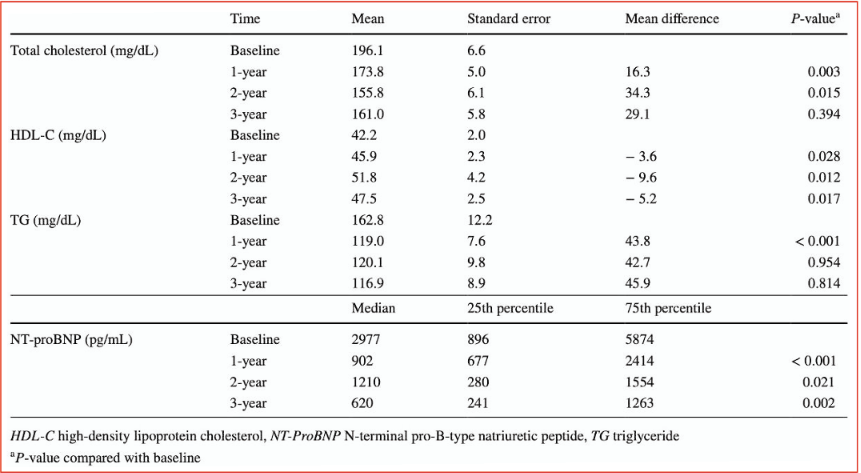
Impact of Sacubitril/Valsartan on Lipid Parameters in Pa ents with Heart Failure with Reduced Ejection Fraction

by Prateek Chopra | May 28, 2026 | Cardiology Conferences | ESC-HF 2026 Long-term modulation of lipid metabolism with angiotensin receptor–neprilysin inhibition in heart failure with reduced ejection fraction remains incompletely characterised, despite evidence suggesting metabolic effects mediated through neprilysin inhibition and enhanced natriuretic peptide signalling. This study evaluated the longitudinal effects of sacubitril/valsartan on lipid parameters and N-terminal pro-B-type natriuretic

Impact of Sacubitril/Valsartan on Lipid Parameters in Pa ents with Heart Failure with Reduced Ejection Fraction Read Post »

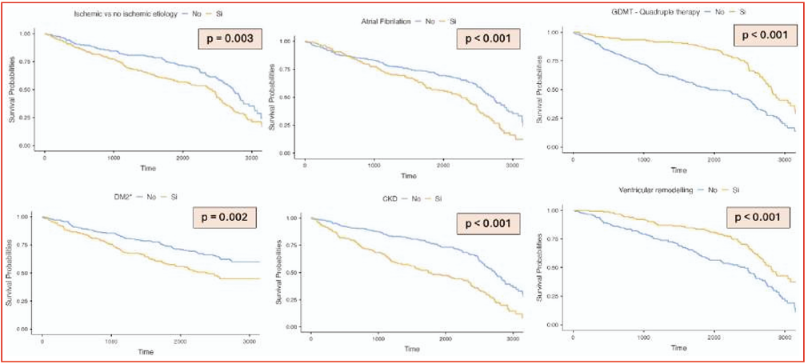
Is there Really a Clinical Benefit to Using the New Drugs for HFrEF in Real Life

by Prateek Chopra | May 28, 2026 | Cardiology Conferences | ESC-HF 2026 Since 2017, several new therapies demonstrating clinical benefit in patients with HF and reduced left LVEF have been approved for clinical use. However, real-world evidence regarding the benefits of these therapies remains limited. The study aimed to analyse the characteristics and prognosis of patients with HFrEF prospectively followed

Is there Really a Clinical Benefit to Using the New Drugs for HFrEF in Real Life Read Post »

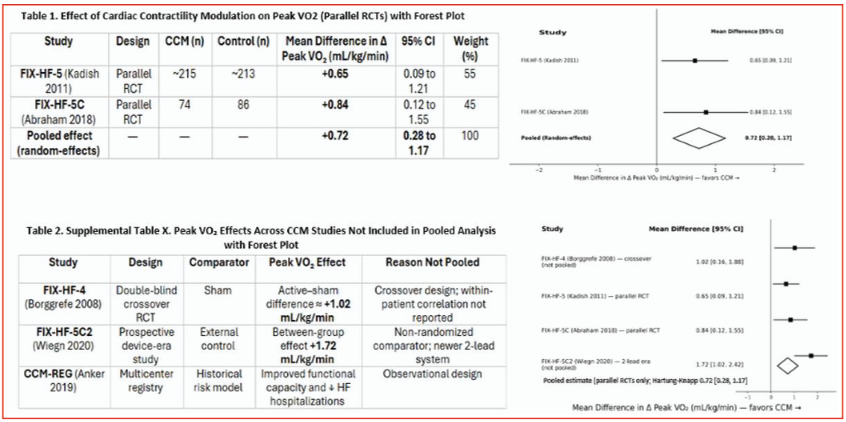
Cardiac Contractility Modula on vs Guideline-Directed Medical Therapy in Symptomatic HFrEF with Narrow QRS: An Updated Systema c Review and Meta-Analysis

by Prateek Chopra | May 27, 2026 | Cardiology Conferences | ESC-HF 2026 Cardiac contractility modulation (CCM) is an implantable device-based therapy developed for patients with symptomatic heart failure with reduced ejection fraction (HFrEF) and narrow QRS complexes who are not eligible for cardiac resynchronization therapy. Earlier studies demonstrated improvements in exercise tolerance and symptoms with CCM; however, more recent randomized

Cardiac Contractility Modula on vs Guideline-Directed Medical Therapy in Symptomatic HFrEF with Narrow QRS: An Updated Systema c Review and Meta-Analysis Read Post »

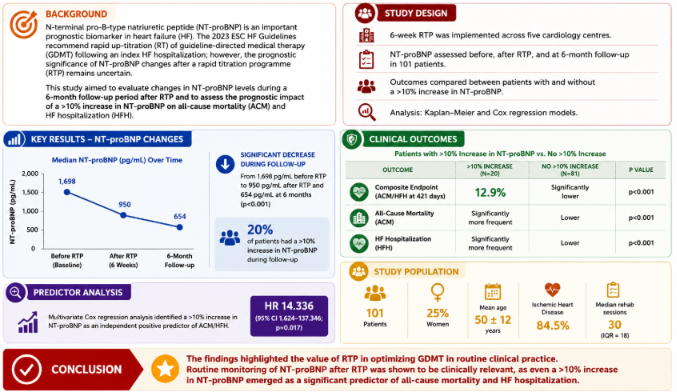
The Prognostic Role of Regular NT-proBNP Measurement A er a Rapid-Up Titration Programme of Guideline-Directed Medical Therapy in Heart Failure: Essential or Superfluous?

by Prateek Chopra | May 25, 2026 | Cardiology Conferences | ESC-HF 2026 N-terminal pro-B-type natriuretic peptide (NT-proBNP) is an important prognostic biomarker in heart failure (HF). The 2023 ESC HF Guidelines recommend rapid up-titration (RT) of guideline-directed medical therapy (GDMT) following an index HF hospitalization; however, the prognostic significance of NT-proBNP changes after a rapid titration programme (RTP) remains uncertain.

The Prognostic Role of Regular NT-proBNP Measurement A er a Rapid-Up Titration Programme of Guideline-Directed Medical Therapy in Heart Failure: Essential or Superfluous? Read Post »

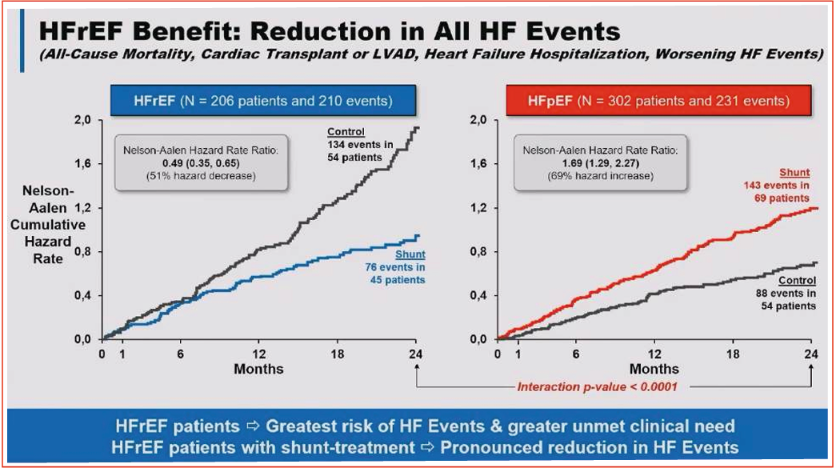
Clinical Trial Evidence in Heart Failure With Reduced Ejection on Fraction

by Prateek Chopra | May 25, 2026 | Cardiology Conferences | ESC-HF 2026 Heart failure with reduced ejection fraction (HFrEF) remains associated with frequent hospitalizations, progressive ventricular remodeling, and high mortality despite optimal guideline-directed medical therapy (GDMT). The RELIEVE-HF trial was designed to evaluate whether unloading the left atrium with the V-Wave Ventura interatrial shunt could reduce congestion and improve clinical

Clinical Trial Evidence in Heart Failure With Reduced Ejection on Fraction Read Post »

Scroll to Top