SGLT2 Inhibitors

Treatment Algorithms for Hypertensive Patients with Hyperlipidaemia and Diabetes, Including Management Beyond Triple Combination Therapy

by Prateek Chopra | June 7, 2026 | Cardiology Conferences | ESH 2026 Optimizing Cardiovascular Risk: Prof. Andrzej highlighted standardized CVD mortality rates across regions, emphasizing major risk factors including BMI, systolic blood pressure, non-HDL cholesterol, diabetes, and smoking. Expanded clinical conditions such as resistant hypertension, sleep disorders, chronic inflammation, NAFLD, and migraine, as well as emerging risk factors like sedentary […]

Treatment Algorithms for Hypertensive Patients with Hyperlipidaemia and Diabetes, Including Management Beyond Triple Combination Therapy Read Post »

New Therapies in the Prevention of Cardiac Damage in Patientswith CKM Syndrome

by Prateek Chopra | June 3, 2026 | Cardiology Conferences | ESH 2026 Clinical Context: Cardiovascular-kidney-metabolic (CKM) syndrome encompasses overlapping progression of cardiovascular disease, chronic kidney disease, obesity, diabetes, and hypertension, resulting in persistent myocardial injury and increased heart failure risk. Contemporary management focuses on integrated therapies targeting cardio-renal-metabolic pathways to prevent progressive cardiac damage. Key Pathophysiology & Mechanisms: Emerging Therapeutic

New Therapies in the Prevention of Cardiac Damage in Patientswith CKM Syndrome Read Post »

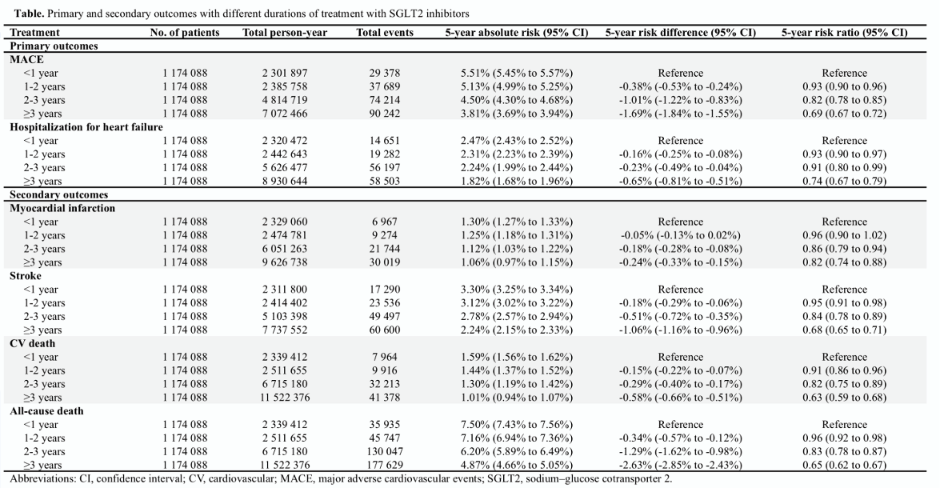
Effect of Different Treatment Durations of Sodium–Glucose Cotransporter2 Inhibitor on Cardiovascular Outcomes in Patients with Type 2 Diabetes:A Target Trial Emulation Study

by Prateek Chopra | July 4, 2026 | Diabetes Conferences | ADA 2026 Clinical Background Methods Study Population Key Findings Clinical Implications In this large nationwide analysis, longer SGLT2i treatment duration was associated with progressively greater reductions in major adverse cardiovascular events and hospitalization for heart failure, supporting sustained therapy to optimize cardiovascular outcomes in patients with type 2 diabetes.

Effect of Different Treatment Durations of Sodium–Glucose Cotransporter2 Inhibitor on Cardiovascular Outcomes in Patients with Type 2 Diabetes:A Target Trial Emulation Study Read Post »

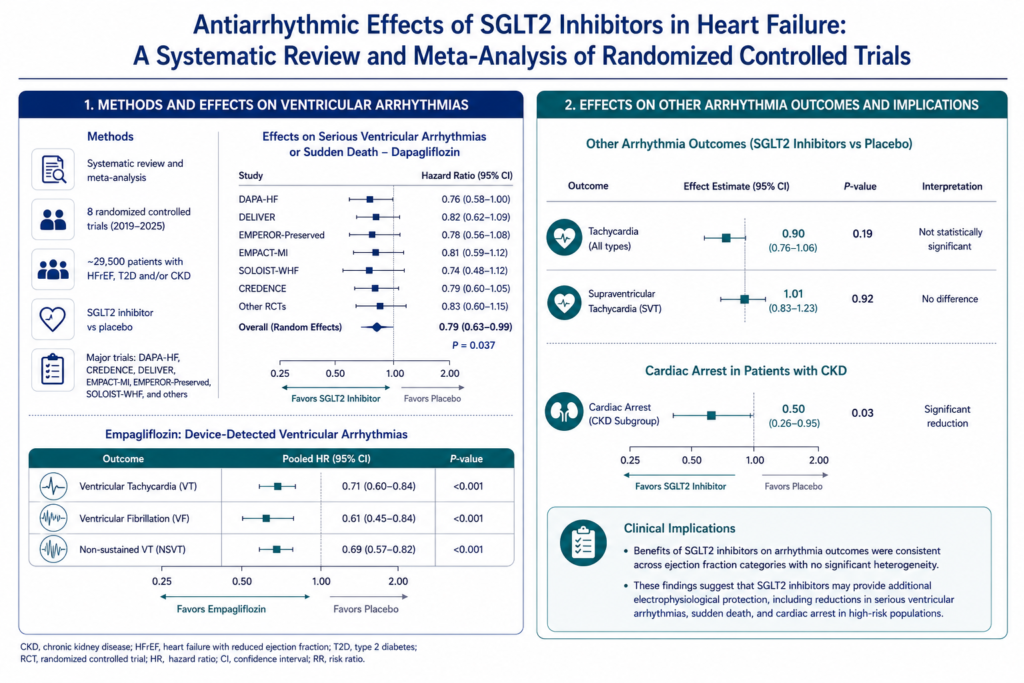
Effects of SGLT2 Inhibitors on Cardiac Arrhythmias: A Systematic Review and Meta-Analysis of Randomized Controlled Trials

by Prateek Chopra | July 4, 2026 | Diabetes Conferences | ADA 2026 Clinical Context Methods Effects on Ventricular Arrhythmias Effects on Other Arrhythmia Outcomes Clinical Implications SGLT2 inhibitors demonstrated a favorable arrhythmia profile, including reductions in serious ventricular arrhythmias, sudden death, and cardiac arrest in selected populations. These findings suggest potential antiarrhythmic benefits that extend beyond their established cardiovascular

Effects of SGLT2 Inhibitors on Cardiac Arrhythmias: A Systematic Review and Meta-Analysis of Randomized Controlled Trials Read Post »

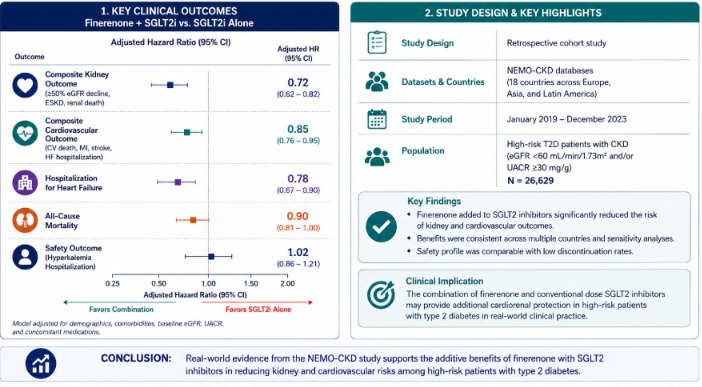
Comparative Efficacy of Combined Finerenone and Conventional-Dose ARB vs. High-Dose ARB on Renal Markers in Type 2 Diabetes Patients with Stage 1–3 Diabetic Nephropathy Receiving SGLT2i

by Prateek Chopra | July 1, 2026 | Diabetes Conferences | ADA 2026 Study Overview Methods Treatment Groups Baseline Characteristics Renal Outcomes Cardiometabolic Outcomes Safety Findings Clinical Implications High-dose ARB therapy and conventional-dose ARB combined with finerenone demonstrated similar improvements in renal markers over 6 months in patients with diabetic nephropathy receiving SGLT2 inhibitors. Both strategies appear to be viable

Comparative Efficacy of Combined Finerenone and Conventional-Dose ARB vs. High-Dose ARB on Renal Markers in Type 2 Diabetes Patients with Stage 1–3 Diabetic Nephropathy Receiving SGLT2i Read Post »

Disparities in Sodium–Glucose Cotransporter Inhibitor Use: A Systematic Literature Review

by Prateek Chopra | June 27, 2026 | Diabetes Conferences | ADA 2026 Clinical Objective Methods Study Selection Key Findings Potential Contributors to Disparities Clinical Implications Evidence from this systematic review indicates persistent sociodemographic disparities in SGLT2 inhibitor utilization across the United States. Further research is needed to better understand the drivers of these inequities and develop strategies to improve

Disparities in Sodium–Glucose Cotransporter Inhibitor Use: A Systematic Literature Review Read Post »

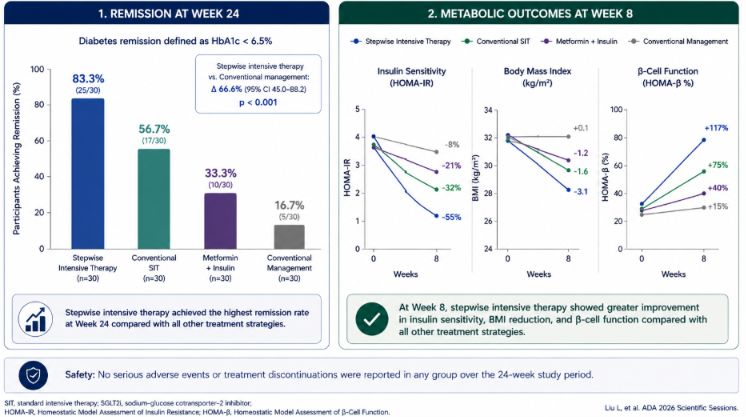
Efficacy and Safety of Simplified SGLT2i-Based Stepwise Intensive Therapy in Inducing Diabetes Remission in Newly Diagnosed Type 2 Diabetes with Severe Hyperglycemia: A Pilot Study

by Prateek Chopra | June 26, 2026 | Diabetes Conferences | ADA 2026 Study Objective Methods Primary Endpoint Study Population Remission Outcomes Metabolic Outcomes Safety SGLT2i-based stepwise intensive therapy achieved remission rates comparable to conventional SIT while providing greater improvements in insulin sensitivity and BMI. This simplified outpatient-oriented approach may offer a practical alternative to prolonged inpatient intensive insulin therapy

Efficacy and Safety of Simplified SGLT2i-Based Stepwise Intensive Therapy in Inducing Diabetes Remission in Newly Diagnosed Type 2 Diabetes with Severe Hyperglycemia: A Pilot Study Read Post »

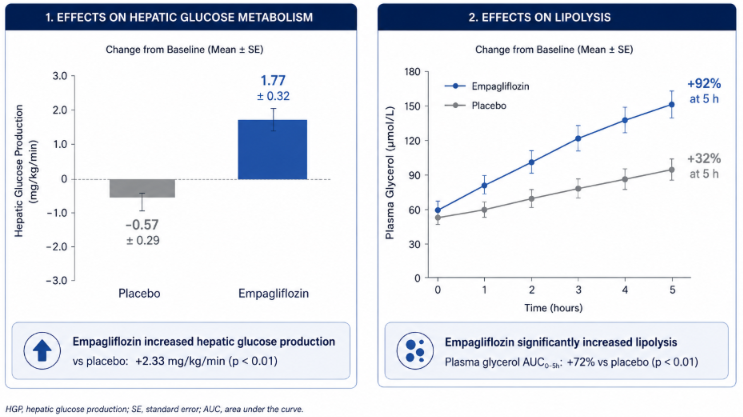
Effects of Empagliflozin on Hepatic Glucose Production, Gluconeogenesis, and Lipolysis in Type 2 Diabetes

by Prateek Chopra | June 26, 2026 | Diabetes Conferences | ADA 2026 Study Objective Methods Effects on Hepatic Glucose Metabolism Effects on Lipolysis Mechanistic Insights Clinical Implications Empagliflozin increased both gluconeogenesis and lipolysis in individuals with type 2 diabetes, with glycerol acting as an important gluconeogenic substrate. These compensatory metabolic responses help preserve hepatic glucose production and may explain

Effects of Empagliflozin on Hepatic Glucose Production, Gluconeogenesis, and Lipolysis in Type 2 Diabetes Read Post »

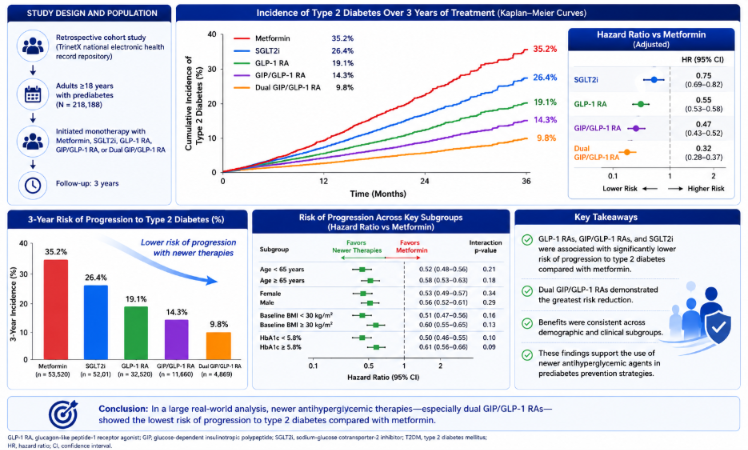
Prescribing Trends and Comparative Risk of Type 2 Diabetes Progression in Prediabetes by Antihyperglycemic Drug Class

by Prateek Chopra | June 24, 2026 | Diabetes Conferences | ADA 2026 Need for Diabetes Prevention Methods Primary Outcome Risk of Progression to Type 2 Diabetes Clinical Implications In this large real-world analysis, GLP-1RAs, GIP/GLP-1RAs, and SGLT2 inhibitors were associated with significantly lower rates of incident T2D compared with metformin. Among these therapies, GIP/GLP-1RAs provided the greatest protection against

Prescribing Trends and Comparative Risk of Type 2 Diabetes Progression in Prediabetes by Antihyperglycemic Drug Class Read Post »

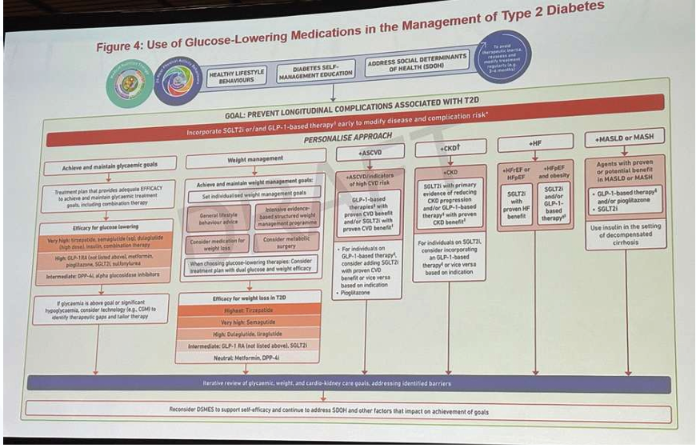
Personalized Approach to Treatment Based on IndividualCharacteristics and Associated Long-Term Conditions

by Prateek Chopra | June 21, 2026 | Diabetes Conferences | ADA 2026 | 0 comments Evolving Treatment Approach: Management of Atherosclerotic Cardiovascular Disease (ASCVD): Management of Heart Failure and Chronic Kidney Disease: Obesity-Focused Treatment Strategies: Factors Influencing Treatment Selection: Principles of Personalized Care: Personalized diabetes care enables treatment decisions to be aligned with each individual’s cardiovascular, renal, metabolic, and obesity-related risk

Personalized Approach to Treatment Based on IndividualCharacteristics and Associated Long-Term Conditions Read Post »

Scroll to Top