Ambulatory Blood Pressure Monitoring (ABPM)

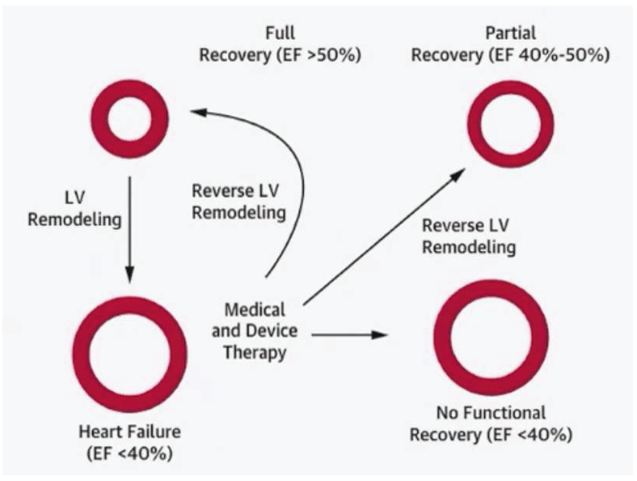
What are HFimpEF, HFrecHF, and HFremEF?

by Prateek Chopra | May 14, 2026 | Cardiology Conferences | ESC-HF 2026 Heart failure phenotypes characterized by improvement or recovery in le ventricular ejec on frac on (LVEF) have emerged as important clinical en es, leading to the evolving concepts of heart failure with improved ejec on frac on (HFimpEF), heart failure with recovered heart failure (HFrecHF/HFrecEF), and heart failure […]

What are HFimpEF, HFrecHF, and HFremEF? Read Post »

Clinical Practice Update – What Should We Do Di erently Now

by Prateek Chopra | June 20, 2026 | Cardiology Conferences | ESH 2026 Study Background: Despite established guidelines, hypertension remains poorly controlled globally, particularly in primary care. Barriers to guideline implementation include structural, behavioral, and communication challenges across healthcare systems. This session outlined practical strategies to transform everyday hypertension management using insights from clinicians across Europe. Methodology & Framework: Key Insights:

Clinical Practice Update – What Should We Do Di erently Now Read Post »

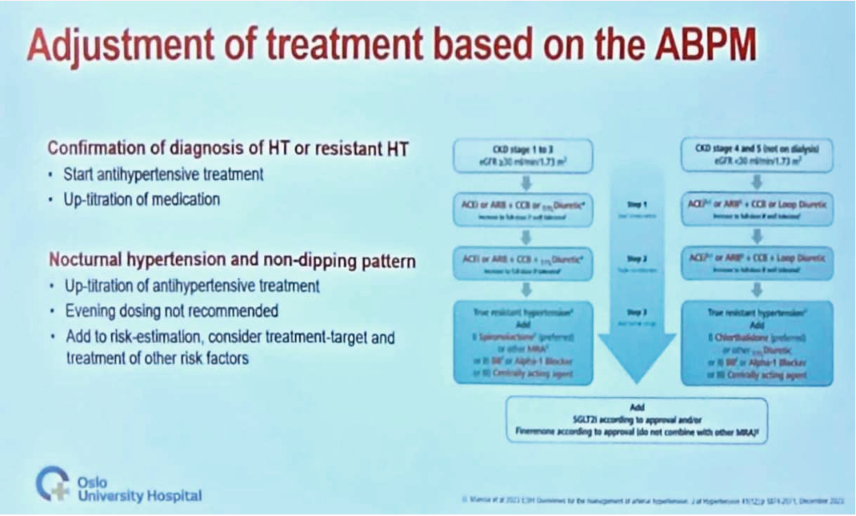
When and How to Use 24-h Ambulatory Blood PressureMonitoring in Patients with CKD

by Prateek Chopra | June 17, 2026 | Cardiology Conferences | ESH 2026 Study Background: Chronic kidney disease (CKD), defined as abnormalities of kidney structure or function persisting ≥3 months, is a growing global burden, ranking as the 10th leading cause of death and a major contributor to cardiovascular mortality. Hypertension is highly prevalent in CKD, and patients frequently exhibit true

When and How to Use 24-h Ambulatory Blood PressureMonitoring in Patients with CKD Read Post »

Frequency and Predictive Factors of White-Coat Hypertension in Grade 1 Hypertensive Patients: Results of the Hungarian ABPM Registry

by Prateek Chopra | June 14, 2026 | Cardiology Conferences | ESH 2026 Study Focus: Assess the prevalence of white-coat hypertension (WCH) in patients with grade 1 hypertension (gr. 1 HT) and identify predictive factors distinguishing WCH from sustained hypertension. Study Design: Key Findings: Clinical Implications: WCH affects a substantial proportion of patients with grade 1 hypertension, particularly among women, older

Frequency and Predictive Factors of White-Coat Hypertension in Grade 1 Hypertensive Patients: Results of the Hungarian ABPM Registry Read Post »

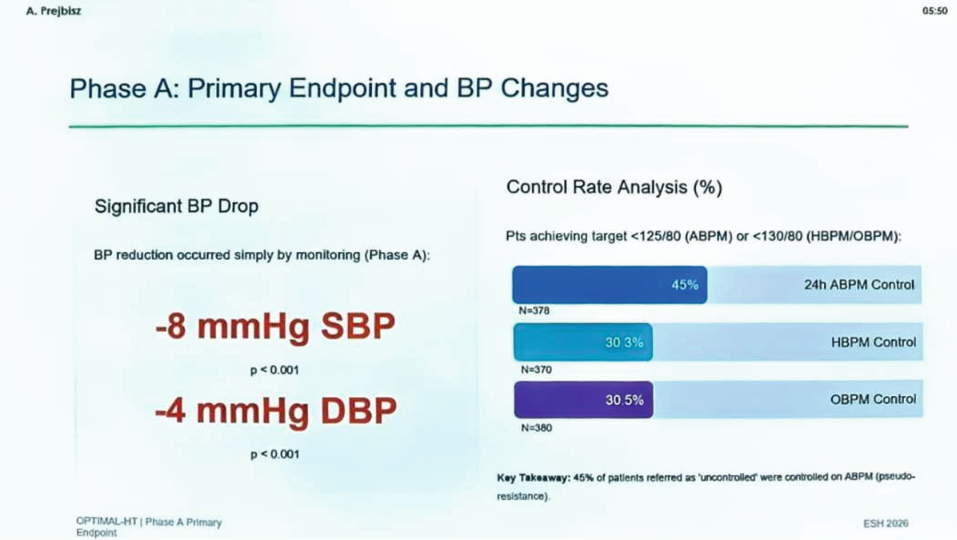
The OPTIMAL-HT Study – Evaluation of Triple Single-Pill Combination Therapy in Achieving Stringent Blood Pressure Targets

by Prateek Chopra | June 10, 2026 | Cardiology Conferences | ESH 2026 Treatment Challenge: The 2018 ESC/ESH guidelines introduced stricter systolic BP targets (120–129 mmHg) and stepwise escalation from dual to triple therapy. Evidence for achieving <130 mmHg in patients on ≥3 antihypertensive drugs remains limited. The OPTIMAL-HT study evaluates triple single-pill combination therapy (SPC) for stringent BP control and

The OPTIMAL-HT Study – Evaluation of Triple Single-Pill Combination Therapy in Achieving Stringent Blood Pressure Targets Read Post »

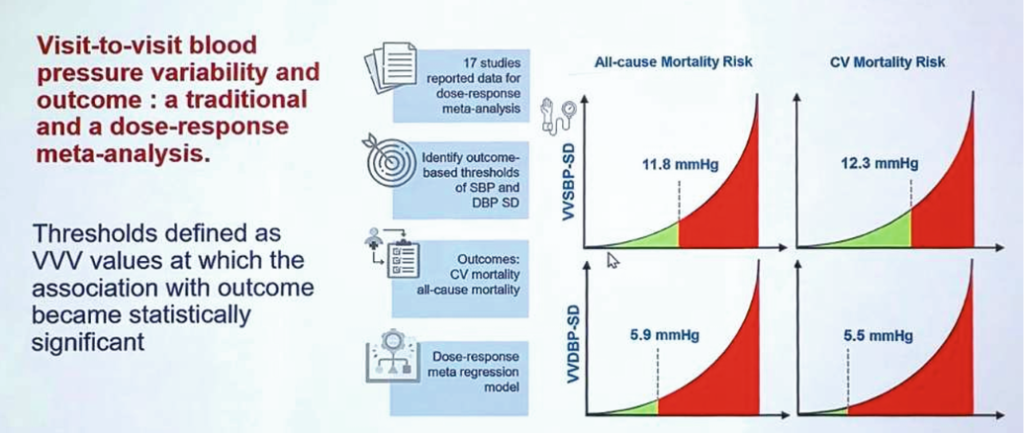
Blood Pressure Variability: A Powerful Predictor of Cardiovascular and Cognitive Risk

by Prateek Chopra | June 2, 2026 | Cardiology Conferences | ESH 2026 Prognostic Significance of BP Variability: Blood pressure variability (BPV) is an important and modifiable cardiovascular risk marker beyond mean BP. Higher visit-to-visit systolic BP variability is linked to increased risks of CVD, stroke, heart failure, CKD, dementia, and all-cause mortality. Evidence: Clinical Implications: Monitoring and managing BP variability

Blood Pressure Variability: A Powerful Predictor of Cardiovascular and Cognitive Risk Read Post »

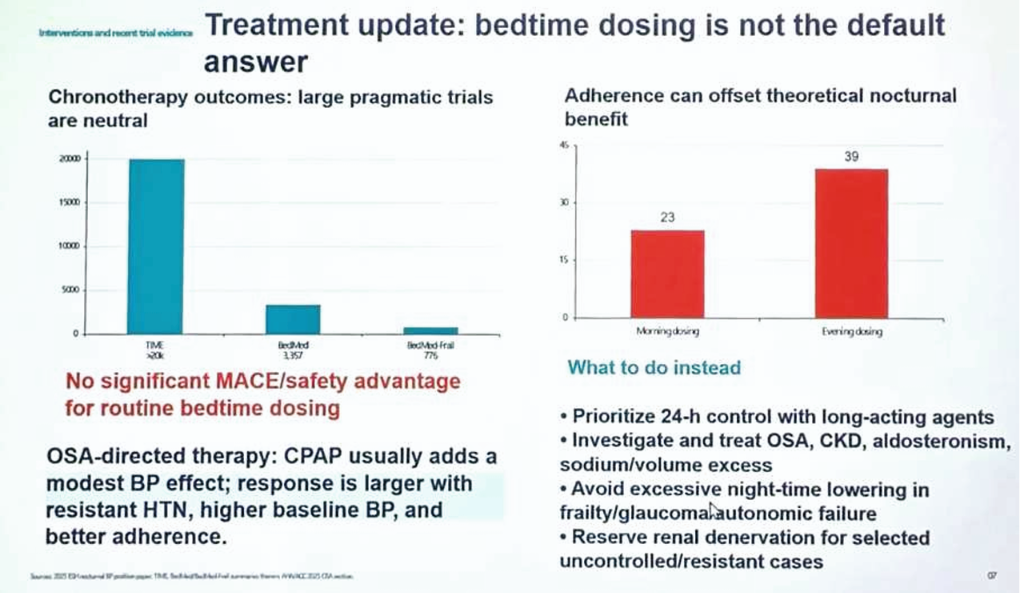
Nocturnal Blood Pressure in Hypertension: Key Insights from the ESH 2026 Guidelines

by Prateek Chopra | June 1, 2026 | Cardiology Conferences | ESH 2026 Clinical Background: Nocturnal blood pressure (BP) assessment is critical for hypertension management and cardiovascular risk prediction. Elevated night-time BP is an independent risk factor for adverse cardiovascular outcomes, even in individuals with normal daytime BP. Nocturnal hypertension frequently coexists with obstructive sleep apnea (OSA), CKD, obesity, diabetes, autonomic

Nocturnal Blood Pressure in Hypertension: Key Insights from the ESH 2026 Guidelines Read Post »

Scroll to Top