ESH Day 1

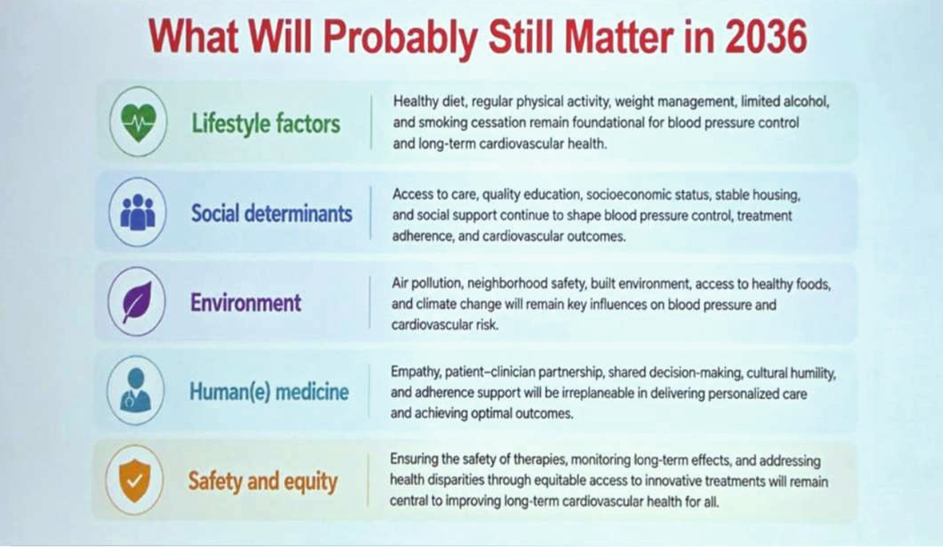
Redefining Hypertension Therapy in 2036: Precision, Permanence,and Prevention

by Prateek Chopra | June 5, 2026 | Cardiology Conferences | ESH 2026 Emerging Paradigm: Hypertension affects ~1.3 billion people worldwide, yet fewer than 25% achieve adequate BP control. Poor medication adherence, especially with polypharmacy, remains a critical barrier. This review explores whether hypertension therapy requires reinvention and evaluates emerging pharmacological, device-based, and AI-driven strategies poised to transform care by 2036. […]

Redefining Hypertension Therapy in 2036: Precision, Permanence,and Prevention Read Post »
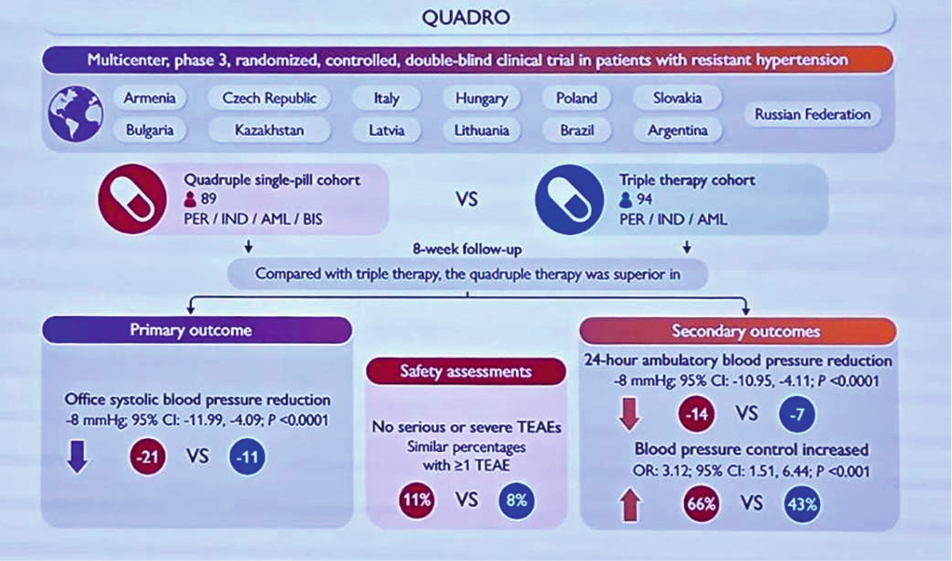
Low-dose Combinations with 3 or 4 Blood Pressure-LoweringMedications for the Treatment of Hypertension

by Prateek Chopra | June 5, 2026 | Cardiology Conferences | ESH 2026 Study Objective: Evaluate early low-dose triple and quadruple antihypertensive therapy versus stepwise monotherapy across diverse ethnic populations, synthesizing evidence from six landmark RCTs: QUARTET (n=591), TRIUMPH (n=700), QUADRO (n=183), Trident Trial (~1,670), VERONICA (n=300), and CREOLE (n=728). Outcomes included BP reduction, hypertension control, tolerability, and fourth-agent selection in

Low-dose Combinations with 3 or 4 Blood Pressure-LoweringMedications for the Treatment of Hypertension Read Post »

Mineralocorticoid Receptor Blockers and Aldosterone Synthase Inhibitors: Competitors or Allies in Primary Aldosteronism?

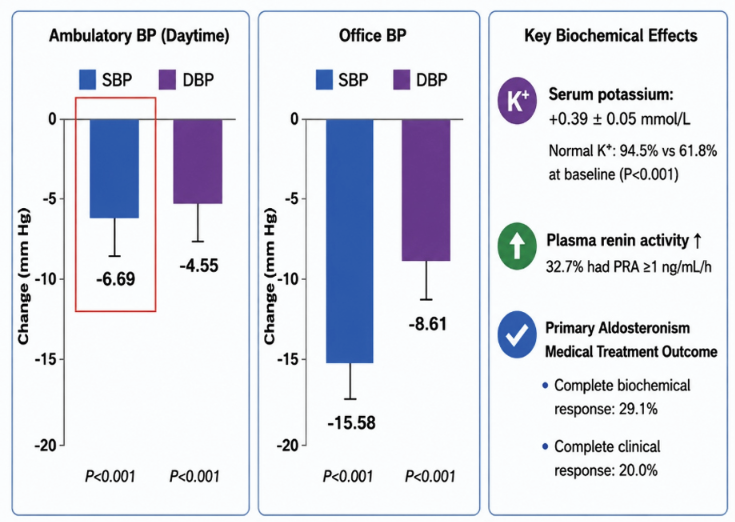
by Prateek Chopra | June 4, 2026 | Cardiology Conferences | ESH 2026 Clinical Context: Non-steroidal mineralocorticoid receptor antagonists (MRAs) and aldosterone synthase inhibitors (ASIs) are emerging therapeutic approaches in primary aldosteronism (PA). Evidence from randomized trials, single-arm studies, real-world analyses, and ongoing clinical programs evaluates the efficacy, biochemical outcomes, and safety of finerenone, baxdrostat, and dexfadrostat. Key Evidence – MRAs:

Mineralocorticoid Receptor Blockers and Aldosterone Synthase Inhibitors: Competitors or Allies in Primary Aldosteronism? Read Post »

Renal Denervation for Resistant Hypertension in CKD and ESRD: ESH 2026 Clinical Update

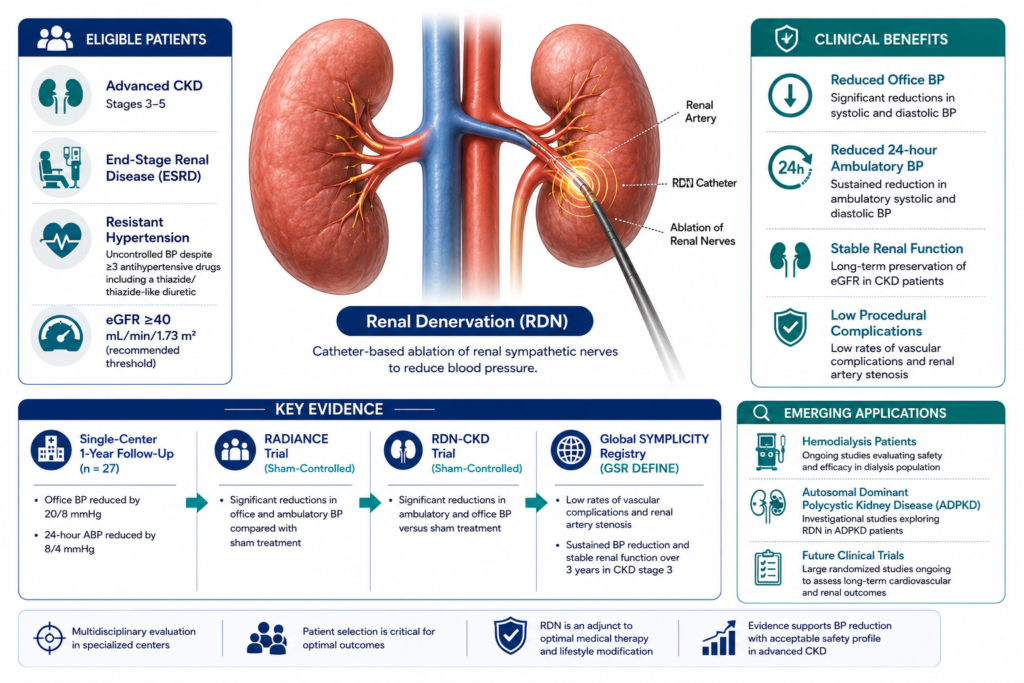
by Prateek Chopra | June 4, 2026 | Cardiology Conferences | ESH 2026 Clinical Rationale: Renal denervation (RDN) is being evaluated as an adjunctive therapy for patients with advanced CKD, end-stage renal disease (ESRD), and resistant hypertension. Current evidence is drawn from ESH/ESC recommendations, sham-controlled randomized trials, registries, observational studies, and ongoing clinical protocols. Current Recommendations: Key Evidence: Emerging Applications: Renal

Renal Denervation for Resistant Hypertension in CKD and ESRD: ESH 2026 Clinical Update Read Post »

Renal Denervation in Chronic Heart Failure: A New Era Beyond Blood Pressure Control

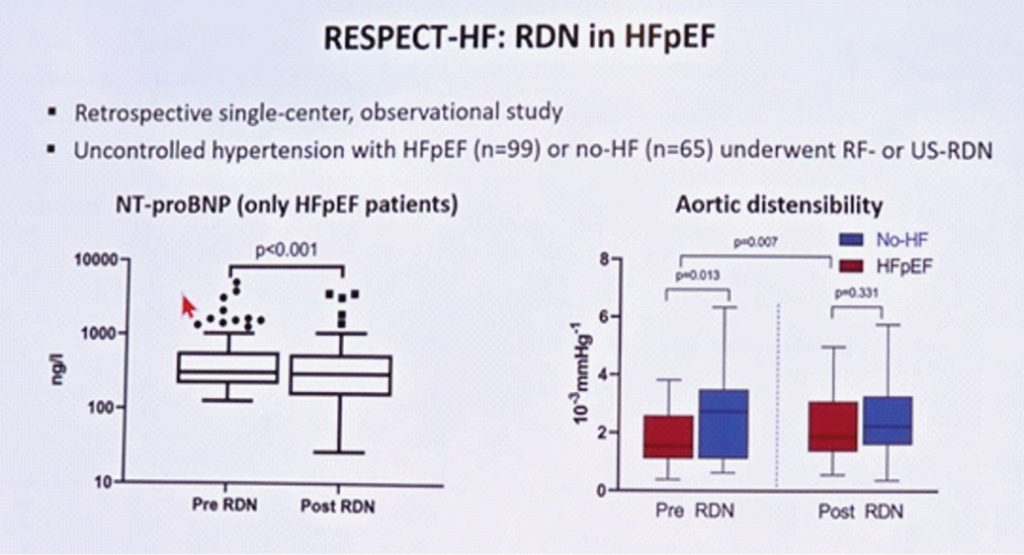
by Prateek Chopra | June 3, 2026 | Cardiology Conferences | ESH 2026 Treatment Rationale: Renal denervation (RDN) is an emerging interventional strategy in chronic heart failure (CHF), particularly in patients with sympathetic nervous system (SNS) overactivity. Excessive SNS activation contributes to hypertension, cardiac remodeling, fibrosis, arrhythmias, endothelial dysfunction, renal sodium retention, and progression of heart failure. Mechanism of Action: Clinical

Renal Denervation in Chronic Heart Failure: A New Era Beyond Blood Pressure Control Read Post »

New Therapies in the Prevention of Cardiac Damage in Patientswith CKM Syndrome

by Prateek Chopra | June 3, 2026 | Cardiology Conferences | ESH 2026 Clinical Context: Cardiovascular-kidney-metabolic (CKM) syndrome encompasses overlapping progression of cardiovascular disease, chronic kidney disease, obesity, diabetes, and hypertension, resulting in persistent myocardial injury and increased heart failure risk. Contemporary management focuses on integrated therapies targeting cardio-renal-metabolic pathways to prevent progressive cardiac damage. Key Pathophysiology & Mechanisms: Emerging Therapeutic

New Therapies in the Prevention of Cardiac Damage in Patientswith CKM Syndrome Read Post »

Time for Change: Can Lifestyle Interventions Prevent theEvolution of Cardiac Damage in Patients with CKM Syndrome?

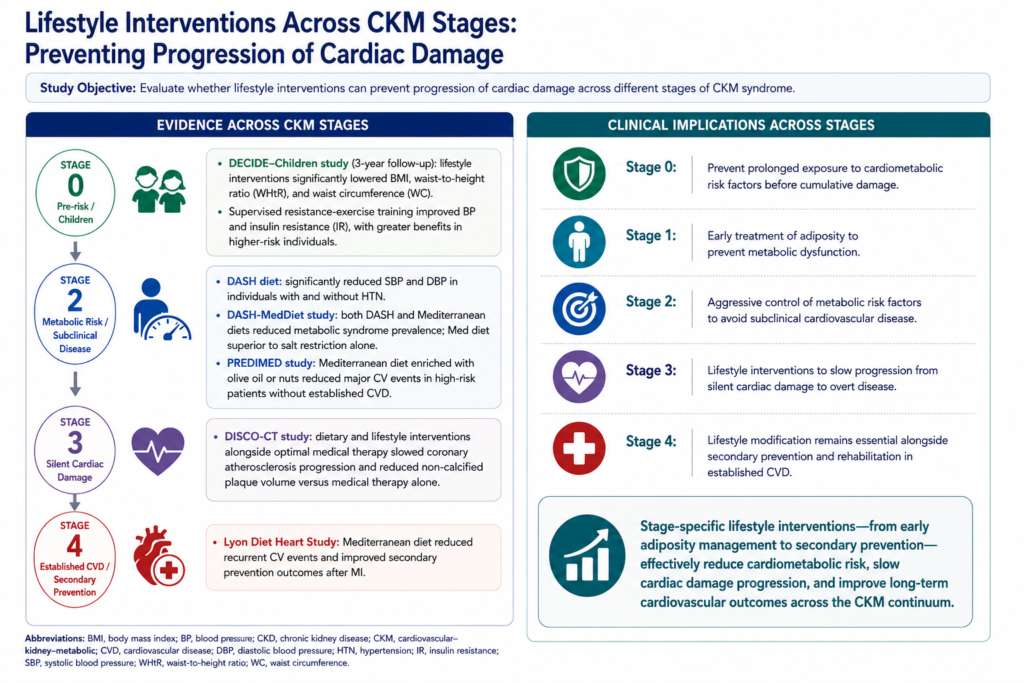
by Prateek Chopra | June 2, 2026 | Cardiology Conferences | ESH 2026 Study Objective: Evaluate whether lifestyle interventions can prevent progression of cardiac damage across different stages of CKM syndrome. Evidence Across CKM Stages: Stage 0 (Pre-risk / Children): Stage 2 (Metabolic Risk / Subclinical Disease): Stage 3 (Silent Cardiac Damage): Stage 4 (Established CVD / Secondary Prevention): Clinical Implications

Time for Change: Can Lifestyle Interventions Prevent theEvolution of Cardiac Damage in Patients with CKM Syndrome? Read Post »

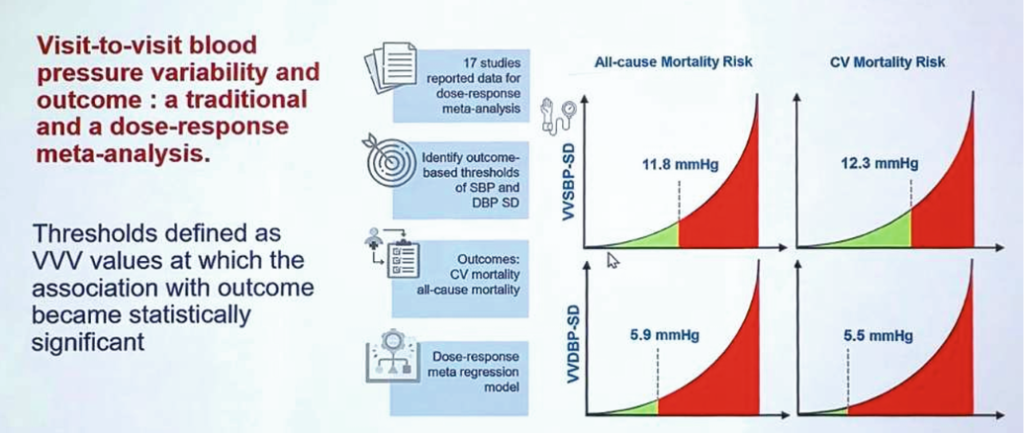
Blood Pressure Variability: A Powerful Predictor of Cardiovascular and Cognitive Risk

by Prateek Chopra | June 2, 2026 | Cardiology Conferences | ESH 2026 Prognostic Significance of BP Variability: Blood pressure variability (BPV) is an important and modifiable cardiovascular risk marker beyond mean BP. Higher visit-to-visit systolic BP variability is linked to increased risks of CVD, stroke, heart failure, CKD, dementia, and all-cause mortality. Evidence: Clinical Implications: Monitoring and managing BP variability

Blood Pressure Variability: A Powerful Predictor of Cardiovascular and Cognitive Risk Read Post »

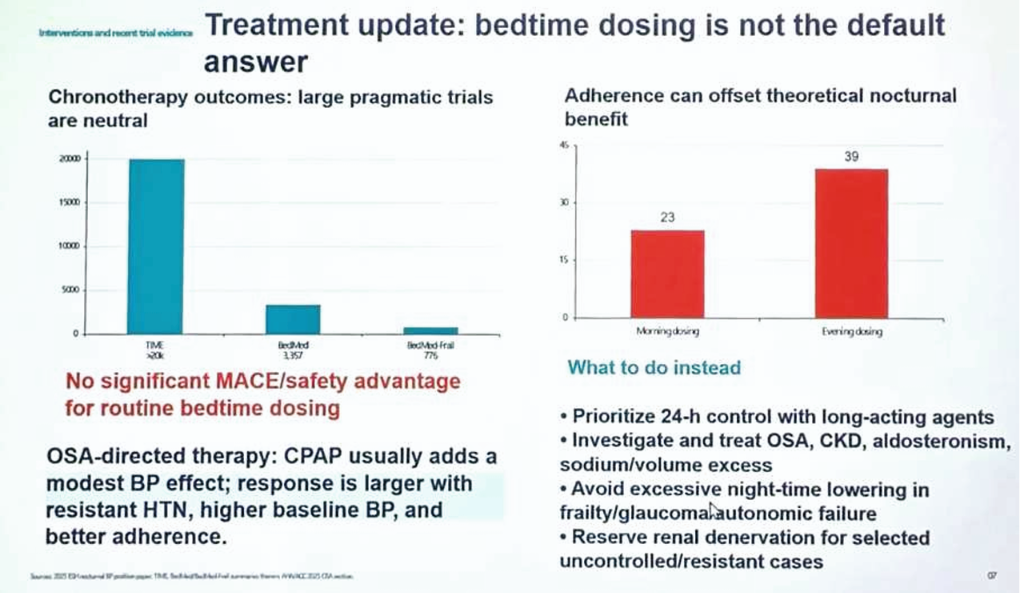
Nocturnal Blood Pressure in Hypertension: Key Insights from the ESH 2026 Guidelines

by Prateek Chopra | June 1, 2026 | Cardiology Conferences | ESH 2026 Clinical Background: Nocturnal blood pressure (BP) assessment is critical for hypertension management and cardiovascular risk prediction. Elevated night-time BP is an independent risk factor for adverse cardiovascular outcomes, even in individuals with normal daytime BP. Nocturnal hypertension frequently coexists with obstructive sleep apnea (OSA), CKD, obesity, diabetes, autonomic

Nocturnal Blood Pressure in Hypertension: Key Insights from the ESH 2026 Guidelines Read Post »

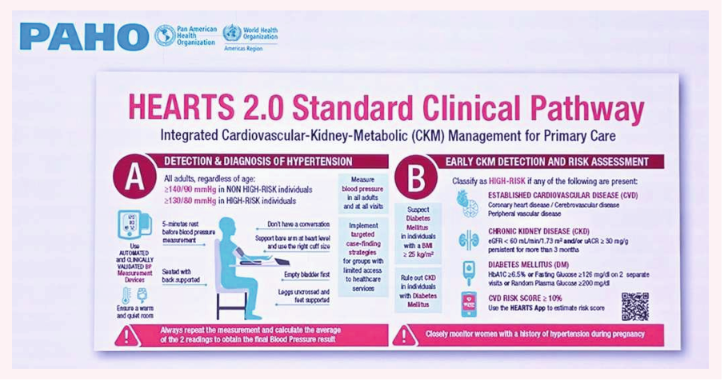
Implementing the PREVENT Risk Equation in the 2025 Guideline for the Prevention, Detection, Evaluation, and Management of High Blood Pressure in Adults

by Prateek Chopra | June 1, 2026 | Cardiology Conferences | ESH 2026 Clinical Background: Accurate cardiovascular risk assessment is central to hypertension management and prevention strategies. Contemporary approaches emphasize integrated cardiovascular-kidney-metabolic (CKM) risk evaluation to improve early detection, individualized therapy, and long-term cardiovascular outcomes. Evidence & Risk Tools: Implementation Strategies: Clinical Implications: Structured integration of CKM risk assessment, validated

Implementing the PREVENT Risk Equation in the 2025 Guideline for the Prevention, Detection, Evaluation, and Management of High Blood Pressure in Adults Read Post »

Scroll to Top