Clinical Trial Evidence in Heart Failure With Reduced Ejection on Fraction

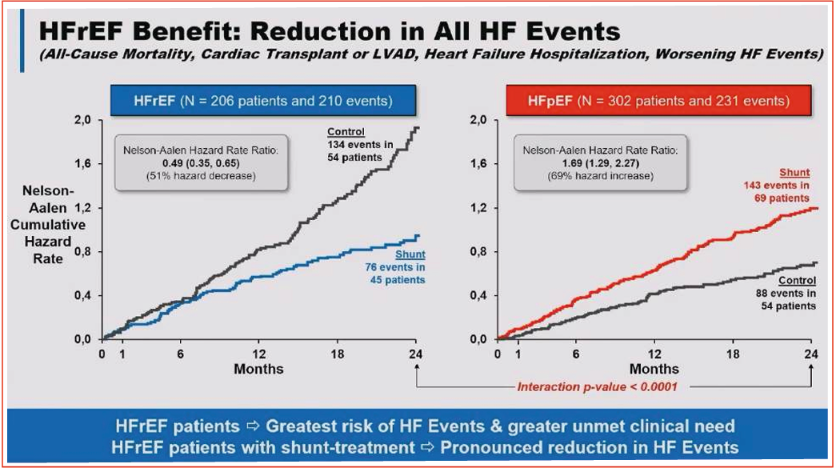
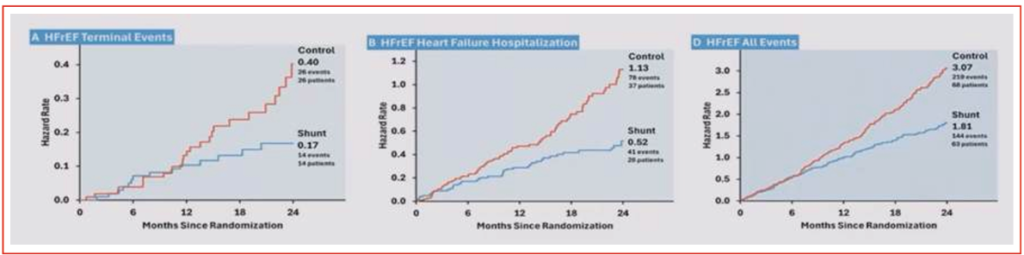
by Prateek Chopra | May 25, 2026 | Cardiology Conferences | ESC-HF 2026 Heart failure with reduced ejection fraction (HFrEF) remains associated with frequent hospitalizations, progressive ventricular remodeling, and high mortality despite optimal guideline-directed medical therapy (GDMT). The RELIEVE-HF trial was designed to evaluate whether unloading the left atrium with the V-Wave Ventura interatrial shunt could reduce congestion and improve clinical […]

Clinical Trial Evidence in Heart Failure With Reduced Ejection on Fraction Read Post »
Latest Analyses in HFrEF, Diagnosis, Pa ent Selec on, and Clinical Experience

by Prateek Chopra | May 24, 2026 | Cardiology Conferences | ESC-HF 2026 Heart failure with reduced ejection fraction (HFrEF) continues to be associated with substantial morbidity and mortality despite significant advances in therapeutic options. In the era of guideline-directed medical therapy (GDMT), a growing body of evidence has highlighted the importance of accurate diagnosis, early patient identification, and timely initiation

Latest Analyses in HFrEF, Diagnosis, Pa ent Selec on, and Clinical Experience Read Post »

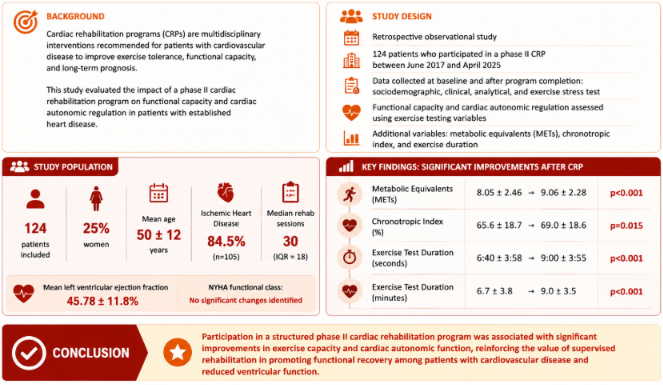
Impact of Phase II Cardiac Rehabilitation on Program: A Retrospective Observational Study

by Prateek Chopra | May 24, 2026 | Cardiology Conferences | ESC-HF 2026 Cardiac rehabilitation programs (CRPs) are multidisciplinary interventions recommended for patients with cardiovascular disease to improve exercise tolerance, functional capacity, and long-term prognosis. Despite their established clinical benefits, participation and adherence remain suboptimal, and the degree of physiological improvement may vary depending on patient characteristics and program duration. This

Impact of Phase II Cardiac Rehabilitation on Program: A Retrospective Observational Study Read Post »

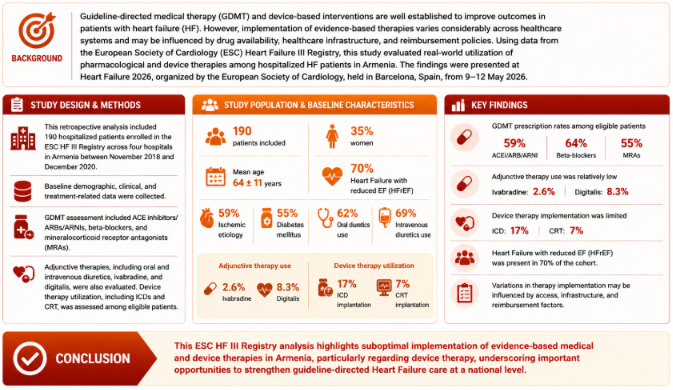
Guideline-Directed Medical and Device Therapy in Heart Failure: Insights from theESC Heart Failure III Registry in Armenia

by Prateek Chopra | May 24, 2026 | Cardiology Conferences | ESC-HF 2026 Guideline-directed medical therapy (GDMT) and device-based interventions are well established to improve outcomes in patients with heart failure (HF). However, implementation of evidence-based therapies varies considerably across healthcare systems and may be influenced by drug availability, healthcare infrastructure, and reimbursement policies. Using data from the European Society of

Guideline-Directed Medical and Device Therapy in Heart Failure: Insights from theESC Heart Failure III Registry in Armenia Read Post »

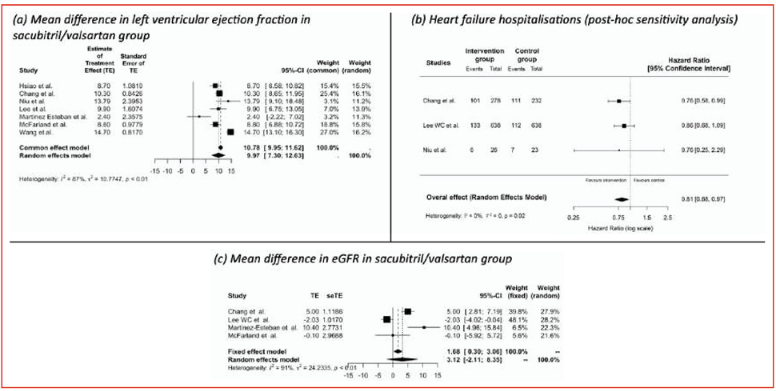
Efficacy and Safety of Sacubitril/Valsartan in the Management of Heart Failure with Reduced Ejection on Fraction on and Chronic Kidney Disease: A Systema c Review and Meta-Analysis

by Prateek Chopra | May 23, 2026 | Cardiology Conferences | ESC-HF 2026 Patients with heart failure with reduced ejection fraction (HFrEF) and advanced chronic kidney disease (CKD) have limited therapeutic options and poor prognosis. Although sacubitril/valsartan has improved outcomes in HFrEF, major trials excluded patients with CKD stage 4 or higher, leaving uncertainty regarding its efficacy and safety in this

Efficacy and Safety of Sacubitril/Valsartan in the Management of Heart Failure with Reduced Ejection on Fraction on and Chronic Kidney Disease: A Systema c Review and Meta-Analysis Read Post »

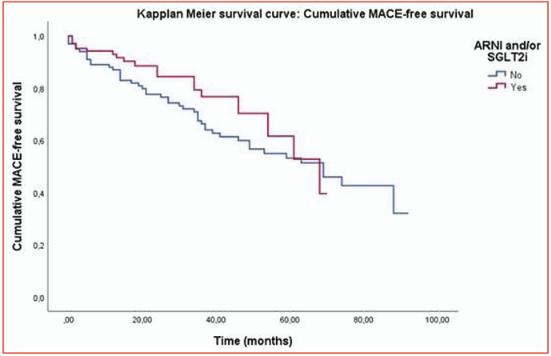
Effect of Sacubitril/Valsartan and SGLT2 Inhibitors on Echocardiographic Responseand Clinical Outcomes A er Cardiac Resynchroniza on Therapy: Insights froma Real-world Cohort

by Prateek Chopra | May 23, 2026 | Cardiology Conferences | ESC-HF 2026 Cardiac resynchronization therapy (CRT) is recommended for symptomatic heart failure (HF) patients with prolonged QRS duration and reduced left ventricular ejection fraction (LVEF), although pivotal CRT trials predated widespread use of angiotensin receptor-neprilysin inhibitors (ARNI) and sodium-glucose co-transporter-2 inhibitors (SGLT2i). This study evaluated whether contemporary HF therapy influences

Effect of Sacubitril/Valsartan and SGLT2 Inhibitors on Echocardiographic Responseand Clinical Outcomes A er Cardiac Resynchroniza on Therapy: Insights froma Real-world Cohort Read Post »

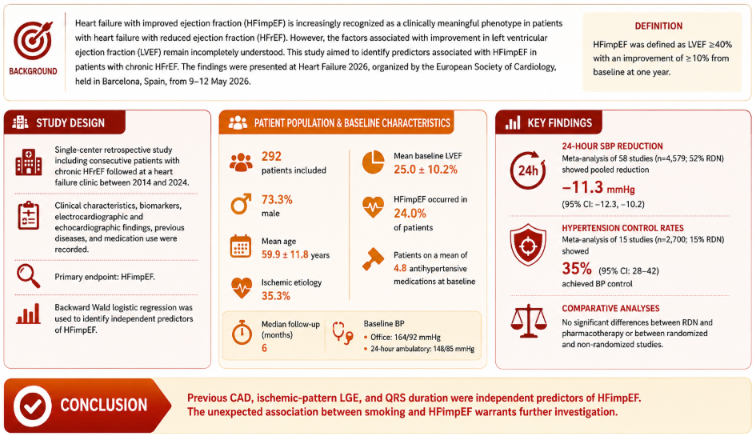
Predictors of Heart Failure with Improved Ejection on Frac on: A Real-World Analysis

by Prateek Chopra | May 22, 2026 | Cardiology Conferences | ESC-HF 2026 Heart failure with improved ejection fraction (HFimpEF) is increasingly recognized as a clinically meaningful phenotype in patients with heart failure with reduced ejection fraction (HFrEF). However, the factors associated with improvement in left ventricular ejection fraction (LVEF) remain incompletely understood. This study aimed to identify predictors associated with

Predictors of Heart Failure with Improved Ejection on Frac on: A Real-World Analysis Read Post »

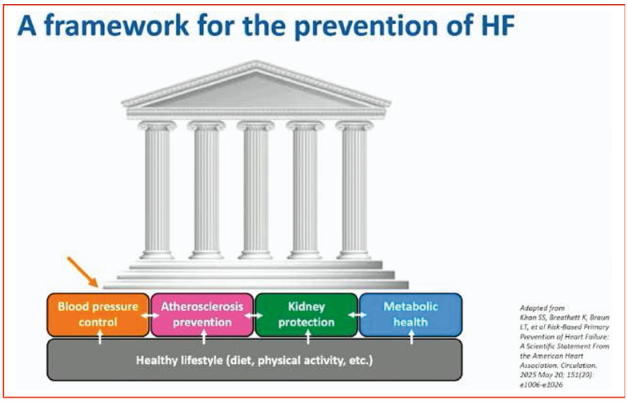
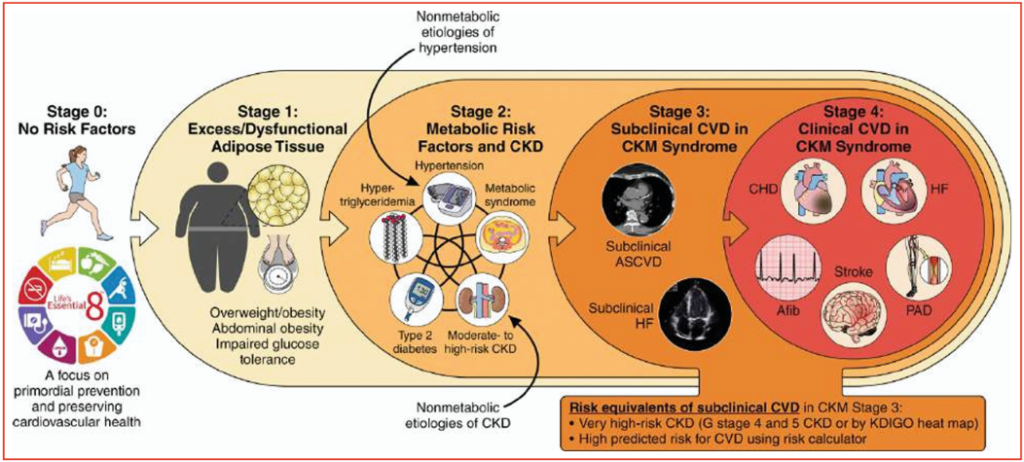
Future Strategies to Prevent Heart Failure

by Prateek Chopra | May 22, 2026 | Cardiology Conferences | ESC-HF 2026 Heart failure (HF) prevention is increasingly focused on early intervention targeting cardiometabolic, inflammatory, renal, and neurohormonal pathways before the development of symptomatic disease. Emerging evidence suggests that integrated preventive strategies can substantially reduce incident HF, cardiovascular (CV) events, and progression of chronic kidney disease (CKD). The findings were

Future Strategies to Prevent Heart Failure Read Post »

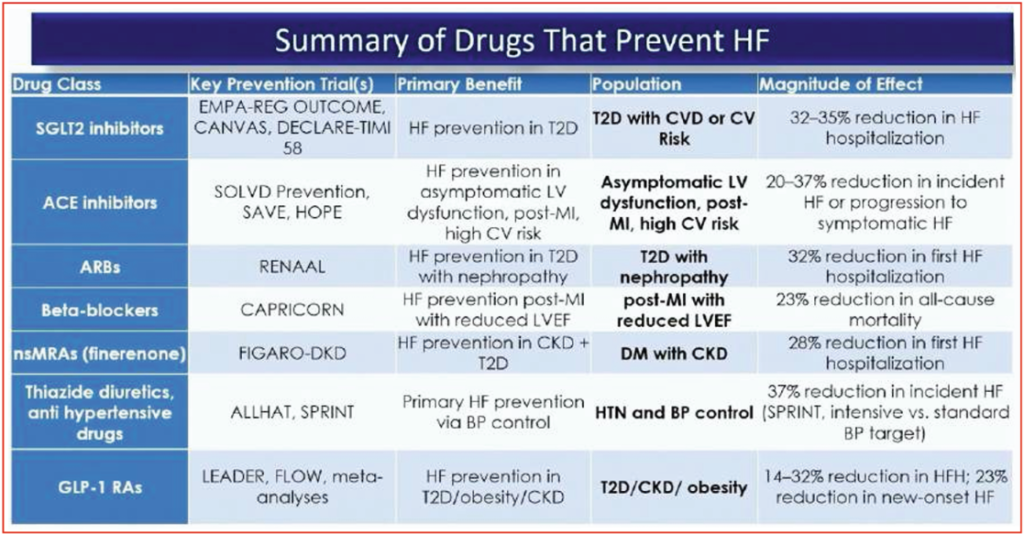
Which Drugs Prevent Heart Failure?

by Prateek Chopra | May 21, 2026 | Cardiology Conferences | ESC-HF 2026 Heart failure (HF) prevention has evolved from traditional risk-factor management to targeted pharmacologic intervention across the HF continuum. Contemporary evidence supports multiple cardiometabolic therapies that prevent incident HF, delay progression from pre-HF to symptomatic disease, and reduce HF hospitalization (HFH). The findings were presented at Heart Failure 2026,

Which Drugs Prevent Heart Failure? Read Post »

Prevention of Heart Failure With Non-pharmacological Interventions

by Prateek Chopra | May 21, 2026 | Cardiology Conferences | ESC-HF 2026 Heart failure (HF) prevention increasingly focuses on early modification of upstream cardiometabolic risk factors through lifestyle and dietary interventions. Emerging evidence suggests that non-pharmacological strategies targeting hypertension, obesity, diabetes, physical inactivity, and adverse dietary patterns may significantly reduce future HF risk, particularly heart failure with preserved ejection fraction

Prevention of Heart Failure With Non-pharmacological Interventions Read Post »

Scroll to Top