
by Prateek Chopra | May 21, 2026 | Cardiology Conferences | ESC-HF 2026
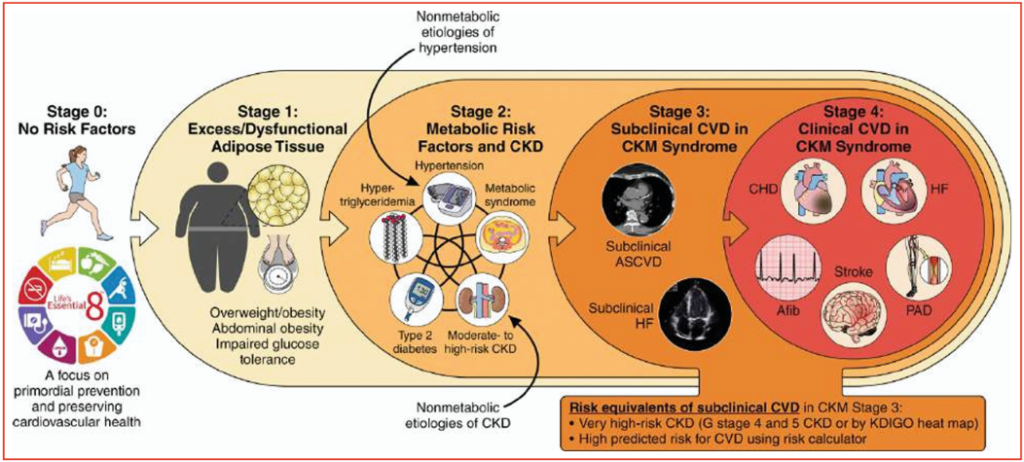
Heart failure (HF) prevention increasingly focuses on early modification of upstream cardiometabolic risk factors through lifestyle and dietary interventions. Emerging evidence suggests that non-pharmacological strategies targeting hypertension, obesity, diabetes, physical inactivity, and adverse dietary patterns may significantly reduce future HF risk, particularly heart failure with preserved ejection fraction (HFpEF). The findings were presented at Heart Failure 2026, organized by the European Society of Cardiology, held in Barcelona, Spain, from 9–12 May 2026.
The post hoc analysis of the DASH-Sodium Trial demonstrated that sodium reduction significantly lowered NT-proBNP levels. The low-sodium DASH intervention produced a 27.6% reduction in NT-proBNP from baseline compared with 12.4% in the low-sodium control diet, suggesting reduced myocardial strain and subclinical cardiac injury.
The Salt Substitute and Stroke Study involving 20,995 participants showed that potassium-enriched salt substitution reduced systolic blood pressure by 3.34 mmHg and lowered stroke risk by 14% (RR 0.86, 95% CI 0.77–0.96), nonfatal acute coronary syndrome by 30% (RR 0.70, 95% CI 0.52–0.93), and all-cause mortality by 12% (RR 0.88, 95% CI 0.82–0.95). Secondary HF analyses demonstrated lower hospitalization for heart failure or vascular death (28.99 vs 32.74 events per 1000 person-years; RR 0.88, 95% CI 0.80–0.98).
Studies published in Circulation: Heart Failure and the European Journal of Heart Failure demonstrated graded reductions in HF and HFpEF risk with increasing cardiorespiratory fitness, with highly fit individuals showing nearly 50–70% lower HFpEF risk than least-fit participants. In the Look AHEAD ancillary study, intensive lifestyle intervention combining weight loss and physical activity reduced HFpEF risk by 55% in overweight or obese patients with type 2 diabetes and elevated NT-proBNP (HR 0.45, 95% CI 0.24–0.90).
Lifestyle interventions remain the foundational platform for HF prevention, while future preventive cardiology trials should incorporate HF-specific endpoints to strengthen evidence for non-pharmacological strategies.