Type 2 Diabetes

The Cardioprotective Effect of Glucagon-Like Peptide 1 Receptor Agonist ina Trial Inspired, And Wider, Population Individuals Living with Type 2Diabetes: A Target Trial Emulation Study in CPRD

by Prateek Chopra | June 23, 2026 | Diabetes Conferences | ADA 2026 Clinical Context Methods Study Population Cardiovascular Outcomes in the Trial-Matched Cohort Cardiovascular Outcomes in the Non-Trial Cohort Clinical Implications GLP-1RA therapy was associated with a lower risk of major adverse cardiovascular events among individuals meeting LEADER trial eligibility criteria but not among those outside the trial population. […]
The Cardioprotective Effect of Glucagon-Like Peptide 1 Receptor Agonist ina Trial Inspired, And Wider, Population Individuals Living with Type 2Diabetes: A Target Trial Emulation Study in CPRD Read Post »

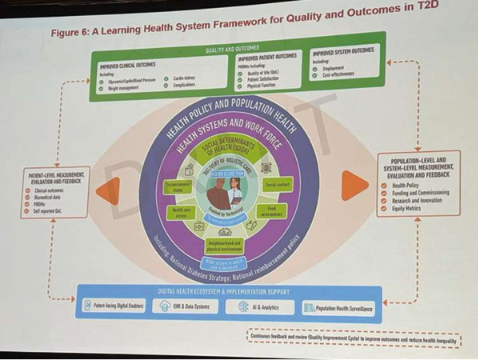
Putting It All Together: Strategies for Implementation

by Prateek Chopra | June 22, 2026 | Diabetes Conferences | ADA 2026 | 0 comments Person-Centered Care Framework: Foundations of E ective Implementation: Lifestyle Interventions: Weight Management Strategies: Role of Technology: Health-System Transformation: Equity and Access Considerations: Remaining Knowledge Gaps: Successful implementation of contemporary T2D care requires a personalized, multidisciplinary approach that combines lifestyle modification, evidence-based therapies, digital health technologies, and

Putting It All Together: Strategies for Implementation Read Post »

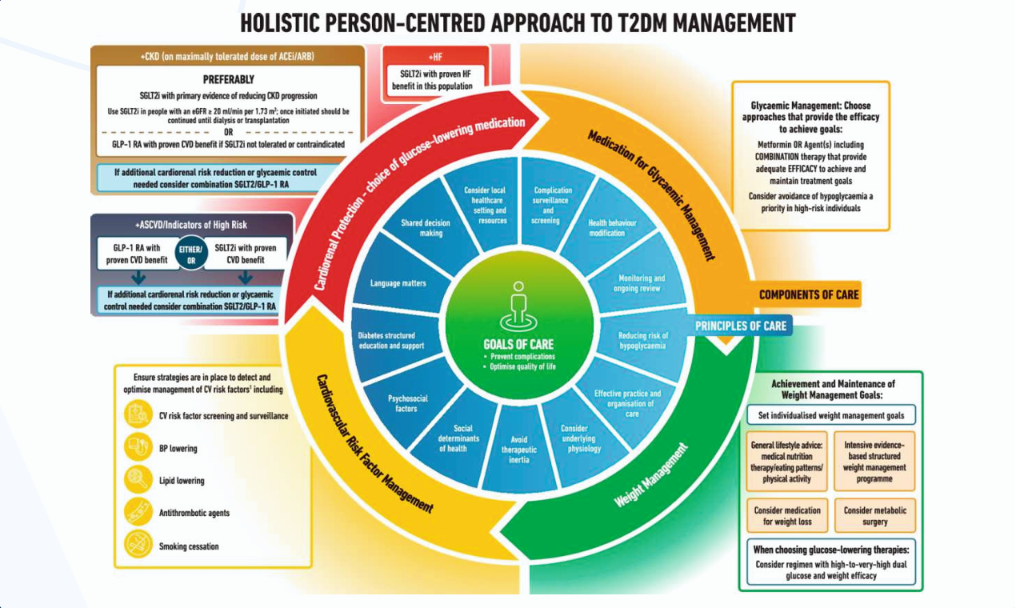
Personalized Approach to Treatment Based on IndividualCharacteristics and Associated Long-Term Conditions

by Prateek Chopra | June 21, 2026 | Diabetes Conferences | ADA 2026 | 0 comments Evolving Treatment Approach: Management of Atherosclerotic Cardiovascular Disease (ASCVD): Management of Heart Failure and Chronic Kidney Disease: Obesity-Focused Treatment Strategies: Factors Influencing Treatment Selection: Principles of Personalized Care: Personalized diabetes care enables treatment decisions to be aligned with each individual’s cardiovascular, renal, metabolic, and obesity-related risk

Personalized Approach to Treatment Based on IndividualCharacteristics and Associated Long-Term Conditions Read Post »

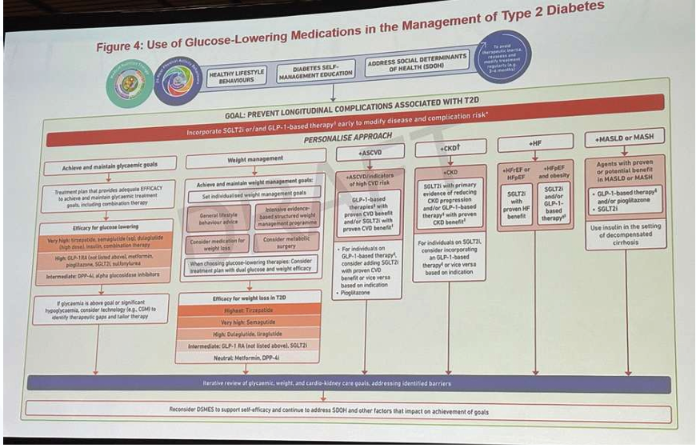
Interventions and Approaches to Type 2Diabetes Treatment

by Prateek Chopra | June 11, 2026 | Diabetes Conferences | ADA 2026 | 0 comments Treatment Paradigm Shift: Role of SGLT2 Inhibitors: Role of GLP-1 Receptor Agonists: Established Glucose-Lowering Therapies: Metformin: Sulfonylureas: Insulin: Principles of Individualized Care: Contemporary T2DM management extends beyond glycemic control to address cardiovascular, renal, and metabolic health. Individualized treatment strategies

Interventions and Approaches to Type 2Diabetes Treatment Read Post »

Insulin Resistance: A Cause or Consequence of Metabolic Dysfunction? A Genetic Perspective with Evidence for the Existence of Both

by Prateek Chopra | June 11, 2026 | Diabetes Conferences | ADA 2026 | 0 comments Research Objective: Sources of Evidence: Evidence for Primary Insulin Resistance: Evidence for Secondary Insulin Resistance: Insights from Polygenic Analyses: Implications for Diabetes Risk Stratification: Human genetic evidence indicates that insulin resistance arises through multiple biological pathways rather than a

Insulin Resistance: A Cause or Consequence of Metabolic Dysfunction? A Genetic Perspective with Evidence for the Existence of Both Read Post »

Effects of Ketogenic and Low-Carbohydrate Diet on Glucose and Weight Control in T2DM Patients Along with Metabolome Change

by Prateek Chopra | June 11, 2026 | Diabetes Conferences | ADA 2026 | 0 comments Study Design: Methods: Effects on Glycemic Control and Body Weight: Metabolomic Findings: In the KD group: Clinical Implications: The ketogenic diet produced the greatest improvements in glycemic control and weight reduction among obese individuals with T2DM, while both ketogenic

Effects of Ketogenic and Low-Carbohydrate Diet on Glucose and Weight Control in T2DM Patients Along with Metabolome Change Read Post »

Imaging: Incorporating Imaging Findings into Risk Assessment andPrevention Strategies

by Prateek Chopra | June 13, 2026 | Diabetes Conferences | ADA 2026 | 0 comments Cardiovascular Risk in Diabetes: Impact of Cardiovascular Disease in Diabetes: Role of Coronary Artery Calcification (CAC): Evidence from Clinical Studies: Guideline Recommendations: Additional Risk Stratification Considerations: Clinical Implications: Imaging findings, particularly coronary artery calcification, provide valuable information for cardiovascular

Imaging: Incorporating Imaging Findings into Risk Assessment andPrevention Strategies Read Post »

Biomarkers: Which Ones Are Worthwhile? (Personalised Risk)

by Prateek Chopra | June 11, 2026 | Diabetes Conferences | ADA 2026 | 0 comments Background: Cardiovascular disease (CVD) remains the leading cause of morbidity and mortality in individuals with type 2 diabetes (T2D), despite advances in risk factor management. Accurate risk stratification is essential to identify high-risk individuals and guide personalized preventive strategies.

Biomarkers: Which Ones Are Worthwhile? (Personalised Risk) Read Post »

PCE, PREVENT, SCORE2-Diabetes: Understanding the CVD Risk Prediction Tools in People with Diabetes

by Prateek Chopra | June 11, 2026 | Diabetes Conferences | ADA 2026 | 0 comments Need for Improved Risk Assessment: PREVENT Risk Equations: Diabetes and CKD-Specific Risk Stratification: SCORE2-Diabetes Model: Validation and Clinical Relevance: PREVENT and SCORE2-Diabetes represent important advances in cardiovascular risk prediction for people with diabetes. By incorporating diabetes-specific factors and broader

PCE, PREVENT, SCORE2-Diabetes: Understanding the CVD Risk Prediction Tools in People with Diabetes Read Post »

Rates of Cardiovascular Disease and Heart Failure Among Diabetes Subtypes Relative to Adults Without Diabetes

by Prateek Chopra | June 11, 2026 | Diabetes Conferences | ADA 2026 | 0 comments Study Design: T2D Subtype Classification: Population Characteristics: Cardiovascular Outcomes: Key Findings: Clinical Implications: Although all T2D subtypes were associated with increased cardiovascular risk, Severe Insulin-Deficient Diabetes (SIDD) carried the highest burden of ASCVD and heart failure. These findings support

Rates of Cardiovascular Disease and Heart Failure Among Diabetes Subtypes Relative to Adults Without Diabetes Read Post »

Scroll to Top