
by Prateek Chopra | June 21, 2026 | Diabetes Conferences | ADA 2026 | 0 comments
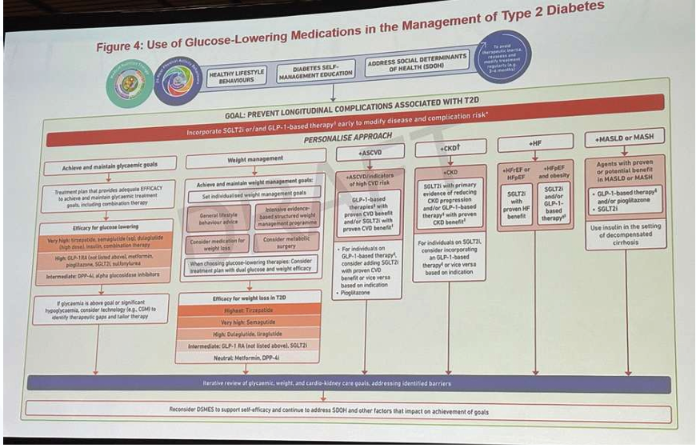
Evolving Treatment Approach:
- Type 2 diabetes mellitus (T2DM) is a heterogeneous disease with substantial variation in disease progression and complication risk.
- Current ADA–EASD recommendations advocate personalized treatment strategies based on cardiovascular, renal, metabolic, and obesity-related risk profiles.
Management of Atherosclerotic Cardiovascular Disease (ASCVD):
- Early use of GLP-1 receptor agonists (GLP-1 RAs) and SGLT2 inhibitors is recommended.
- These therapies have demonstrated reductions in major adverse cardiovascular events, heart failure hospitalization, and mortality.
Management of Heart Failure and Chronic Kidney Disease:
- SGLT2 inhibitors have become foundational therapies due to their proven cardio-renal protective benefits.
- These agents help slow kidney disease progression and reduce heart failure-related outcomes.
Obesity-Focused Treatment Strategies:
- GLP-1 RAs and dual incretin therapies provide substantial weight reduction and metabolic benefits.
- Emerging evidence supports their role in reducing liver fat and improving outcomes in metabolic dysfunction-associated steatotic liver disease (MASLD).
Factors Influencing Treatment Selection:
- Age and reproductive considerations.
- Cardiovascular risk factors and atrial arrhythmias.
- Kidney function.
- Social determinants of health.
- Patient preferences and treatment accessibility.
Principles of Personalized Care:
- Match therapy to an individual’s absolute cardio-kidney-metabolic risk.
- Incorporate shared decision-making into treatment planning.
- Focus on long-term prevention of cardiovascular, renal, and metabolic complications.
Personalized diabetes care enables treatment decisions to be aligned with each individual’s cardiovascular, renal, metabolic, and obesity-related risk profile. This patient-centered approach supports more eective prevention of complications and improved long-term health outcomes in people with T2DM.