
by Prateek Chopra | June 3, 2026 | Cardiology Conferences | ESC-HF 2026
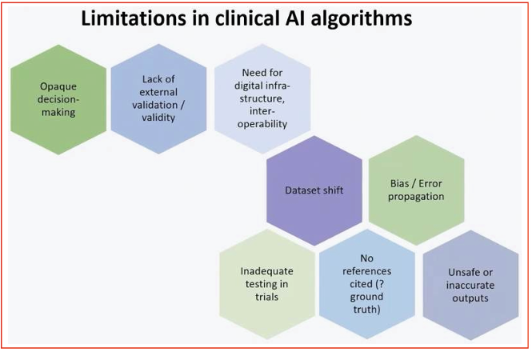
Artificial intelligence (AI) was examined as a technology that may unintentionally widen disparities in heart failure care rather than reduce them. Although AI offers opportunities for improved diagnosis, risk prediction, and treatment optimization, concerns were raised regarding unequal access to digital infrastructure, algorithmic bias, and underrepresentation of vulnerable populations in training datasets. These factors were considered significant barriers to achieving equitable implementation of AI in real-world practice. The findings were presented at the Heart Failure 2026, organized by the European Society of Cardiology, held in Barcelona, from 9–12 May 2026.
Limitations associated with the development and deployment of AI systems in heart failure management were reviewed. Particular attention was given to data quality, socioeconomic and racial bias, availability of electronic health records, and disparities in access to wearable devices and advanced technologies. Challenges related to transparency, regulatory oversight, and clinician trust were also considered.
AI models were described as potentially perpetuating existing inequities when trained on datasets that inadequately represent women, ethnic minorities, older adults, and low-income populations. Reduced access to smartphones, internet connectivity, and remote monitoring devices was noted as a major obstacle in underserved communities. Black-box algorithms and limited external validation were highlighted as concerns that may hinder adoption and compromise reliability. Furthermore, healthcare systems with fewer resources were considered less likely to implement and maintain advanced AI tools, thereby concentrating benefits in already well-equipped centers. These factors were viewed as likely to increase differences in diagnosis, treatment, and outcomes rather than reduce them.
AI was characterized as a technology with substantial promise but also considerable risk of exacerbating inequities in heart failure care. Without inclusive datasets, transparent design, and equitable access to supporting technologies, AI may function as a new divider rather than a great equalizer in cardiovascular medicine.