
by Prateek Chopra | May 31, 2026 | Cardiology Conferences | ESC-HF 2026
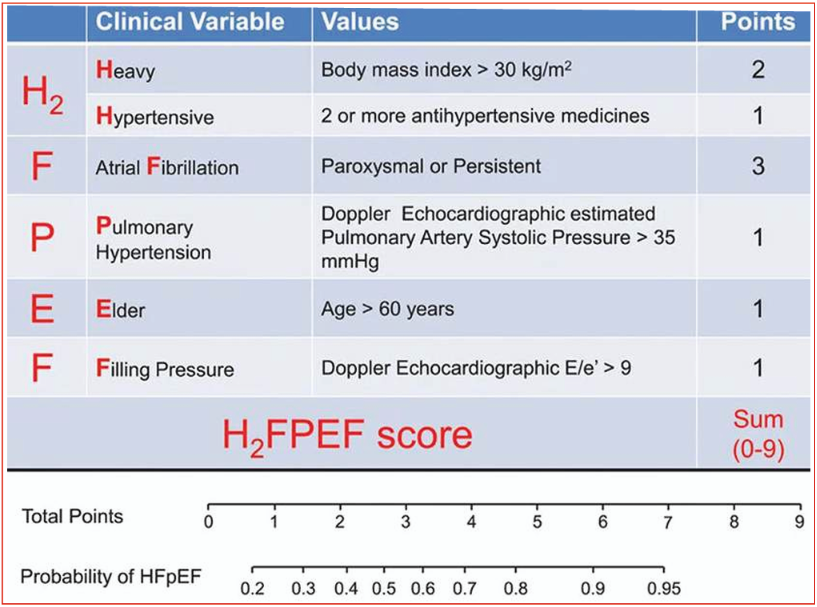
The 2021 European Society of Cardiology guidelines recommend a structured diagnostic approach incorporating clinical assessment, echocardiography, natriuretic peptides, and validated diagnostic scores such as the H₂FPEF score. With the availability of effective therapies capable of reducing morbidity and mortality in HFpEF, timely identification of affected patients has become increasingly important. This study aimed to evaluate the prevalence of HFpEF among consecutively admitted patients without a primary HF diagnosis using the H₂FPEF score. The findings were presented at Heart Failure 2026, organized by the European Society of Cardiology, held in Barcelona, Spain, from 9–12 May 2026.
Data were collected from 446 consecutive patients admitted to a tertiary cardiology center in January 2025. Patients with left ventricular ejection fraction (LVEF) below 50%, a primary diagnosis of HF, missing LVEF data, or no HF-related symptoms were excluded. The H₂FPEF score was subsequently calculated in 155 eligible patients using relevant clinical and echocardiographic parameters extracted from medical records.
The evaluated cohort had a mean age of 66.6 ± 13.5 years, with 63.9% men and a mean LVEF of 59.2 ± 6.4%. Hypertension was present in 92.3% of patients, Atrial Fibrillation in 23.2%, and Obesity (BMI >30 kg/m²) in 36.4%. Elevated pulmonary artery systolic pressure (>35 mmHg) was observed in 40.2%, while 65.4% had an E/e’ ratio >9.
Most patients were admitted for Acute Coronary Syndrome, Coronary Angiography/Intervention, or Electrophysiological evaluation. Based on H₂FPEF scoring, 13.6% of patients had a low probability of HFpEF (score 0–1), 63.2% had an intermediate probability (score 2–5), and 23.2% had a high probability (score 6–9).
The findings highlight the importance of considering HFpEF in patients hospitalized for conditions other than heart failure who are present with symptoms suggestive of HF. Using the H₂FPEF score, nearly one-quarter of patients were identified as having a high probability of HFpEF, while almost two-thirds required additional diagnostic evaluation. Routine assessment of H₂FPEF score parameters may simplify and accelerate HFpEF identification in clinical practice, enabling earlier diagnosis, timely initiation of evidence-based therapies, and improved patient management in this often-underrecognized population.