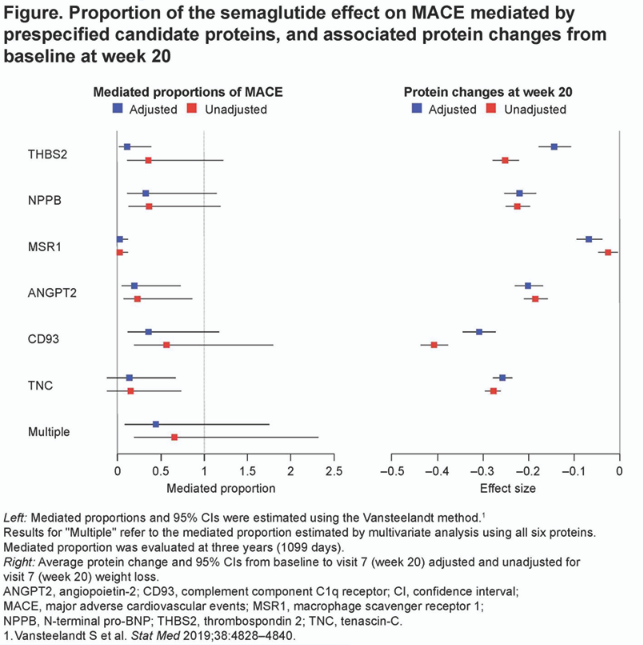
Serum Proteomics Suggest Novel Mechanisms of Action of Semaglutide in Reducing the Risk of MACE in the SELECT Trial

by Prateek Chopra | July 5, 2026 | Diabetes Conferences | ADA 2026 Mechanistic Insights Methods Key Findings Protein-Specific Effects Clinical Implications Four circulating proteins—THBS2, NPPB, ANGPT2, and CD93—mediated a substantial proportion of semaglutide’s cardiovascular benefit independent of weight loss. These findings provide new insights into the biological mechanisms underlying semaglutide’s cardioprotective effects.
Serum Proteomics Suggest Novel Mechanisms of Action of Semaglutide in Reducing the Risk of MACE in the SELECT Trial Read Post »

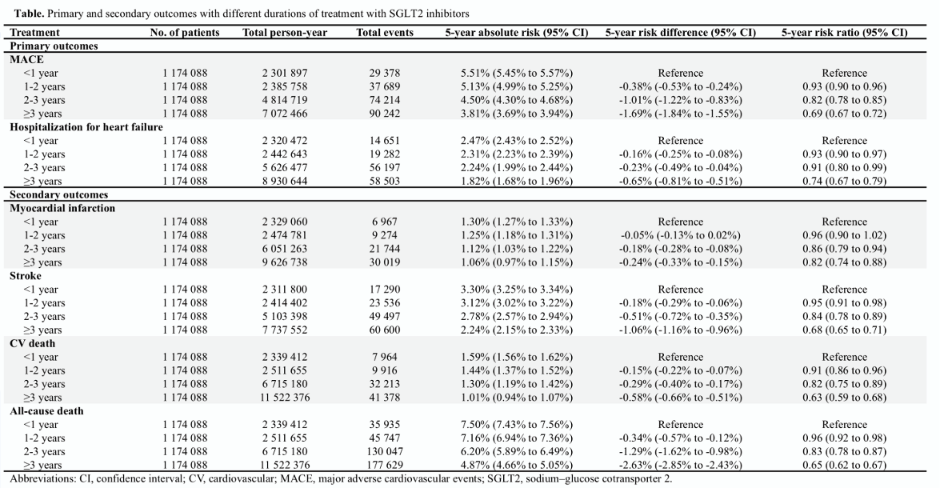
Effect of Different Treatment Durations of Sodium–Glucose Cotransporter2 Inhibitor on Cardiovascular Outcomes in Patients with Type 2 Diabetes:A Target Trial Emulation Study

by Prateek Chopra | July 4, 2026 | Diabetes Conferences | ADA 2026 Clinical Background Methods Study Population Key Findings Clinical Implications In this large nationwide analysis, longer SGLT2i treatment duration was associated with progressively greater reductions in major adverse cardiovascular events and hospitalization for heart failure, supporting sustained therapy to optimize cardiovascular outcomes in patients with type 2 diabetes.

Effect of Different Treatment Durations of Sodium–Glucose Cotransporter2 Inhibitor on Cardiovascular Outcomes in Patients with Type 2 Diabetes:A Target Trial Emulation Study Read Post »

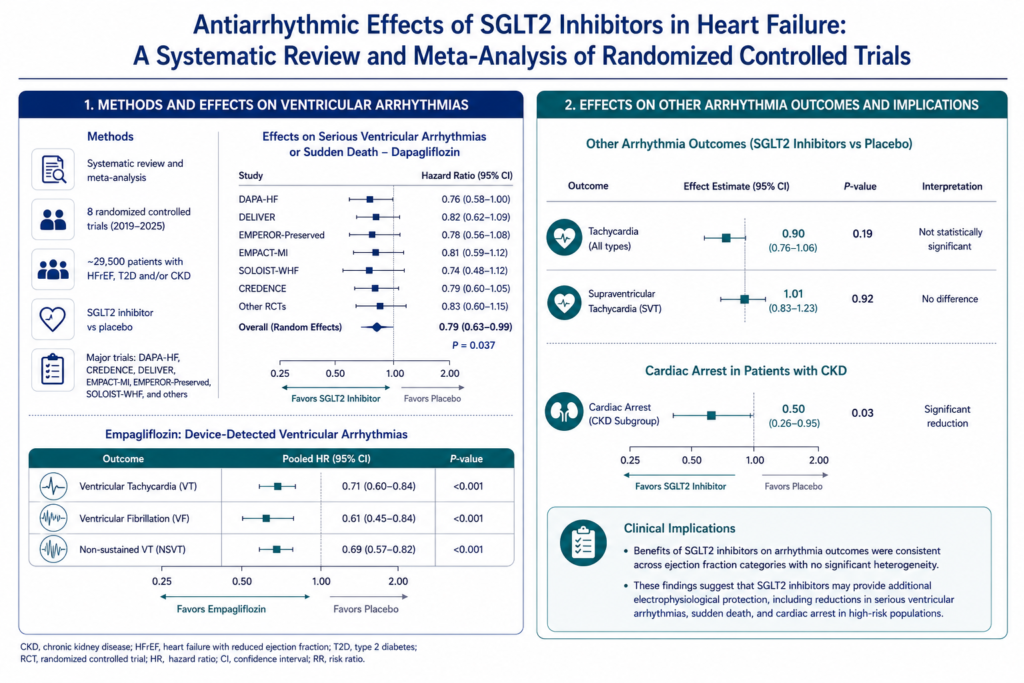
Effects of SGLT2 Inhibitors on Cardiac Arrhythmias: A Systematic Review and Meta-Analysis of Randomized Controlled Trials

by Prateek Chopra | July 4, 2026 | Diabetes Conferences | ADA 2026 Clinical Context Methods Effects on Ventricular Arrhythmias Effects on Other Arrhythmia Outcomes Clinical Implications SGLT2 inhibitors demonstrated a favorable arrhythmia profile, including reductions in serious ventricular arrhythmias, sudden death, and cardiac arrest in selected populations. These findings suggest potential antiarrhythmic benefits that extend beyond their established cardiovascular

Effects of SGLT2 Inhibitors on Cardiac Arrhythmias: A Systematic Review and Meta-Analysis of Randomized Controlled Trials Read Post »

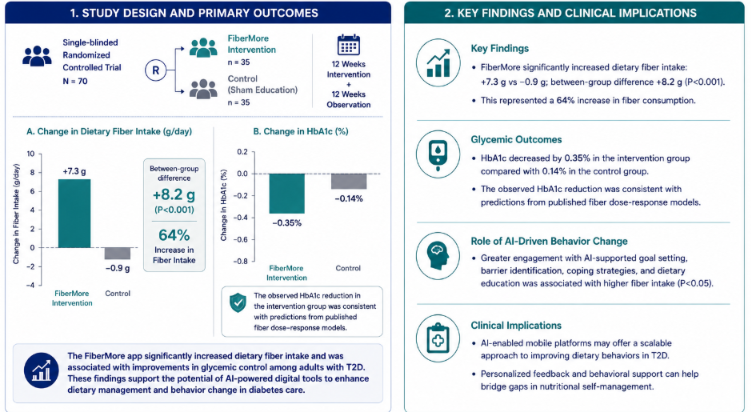
FiberMore: A Generative AI-Enabled Behavior Change Intervention to Improve Dietary Fiber Intake and Glycemic Management in Individuals with Type 2 Diabetes

by Prateek Chopra | July 3, 2026 | Diabetes Conferences | ADA 2026 Digital Health Innovation Methods Key Findings Glycemic Outcomes Role of AI-Driven Behavior Change Clinical Implications The FiberMore app significantly increased dietary fiber intake and was associated with improvements in glycemic control among adults with T2D. These findings support the potential of AI-powered digital tools to enhance dietary

FiberMore: A Generative AI-Enabled Behavior Change Intervention to Improve Dietary Fiber Intake and Glycemic Management in Individuals with Type 2 Diabetes Read Post »

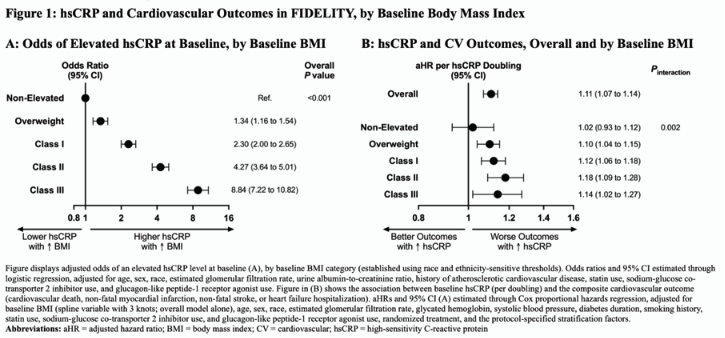
Inflammation, Body Mass Index, and Cardiovascular Outcomes in Chronic Kidney Disease and Type 2 Diabetes

by Prateek Chopra | July 3, 2026 | Diabetes Conferences | ADA 2026 Cardiovascular Risk Assessment Methods Study Population Key Findings Effect of Finerenone Clinical Implications Low-grade inflammation and obesity jointly contribute to cardiovascular risk in CKD and T2D. Finerenone maintained consistent cardioprotective benefits across all hsCRP and BMI categories, supporting its use for cardiovascular risk reduction in this high-risk

Inflammation, Body Mass Index, and Cardiovascular Outcomes in Chronic Kidney Disease and Type 2 Diabetes Read Post »

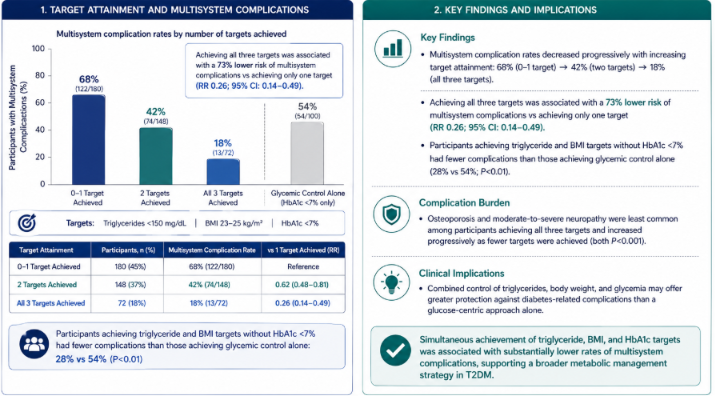
Triple Target Achievement in Type 2 Diabetes: Synergistic Reduction in Multisystem Complications

by Prateek Chopra | July 2, 2026 | Diabetes Conferences | ADA 2026 Renal Health Focus Methods Key Findings Clinical Implications Microalbuminuria and renal resistive index were strongly correlated in individuals with diabetes and hypertension. Their combined assessment may enhance early detection of renal dysfunction and support timely intervention in high-risk patients.

Triple Target Achievement in Type 2 Diabetes: Synergistic Reduction in Multisystem Complications Read Post »

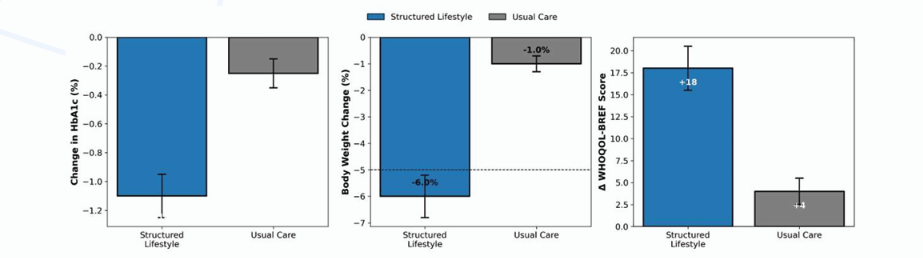
Effects of a 12-Month Structured Lifestyle Prescription on Glycemic Control and Quality of Life in Early Type 2 Diabetes

by Prateek Chopra | July 2, 2026 | Diabetes Conferences | ADA 2026 Lifestyle Intervention Program Methods Baseline Characteristics Key Findings at 12 Months Clinical Implications A 12-month structured lifestyle program significantly improved glycemic control, body weight, and quality of life in adults with early T2D, supporting its role as a key component of early diabetes management.

Effects of a 12-Month Structured Lifestyle Prescription on Glycemic Control and Quality of Life in Early Type 2 Diabetes Read Post »

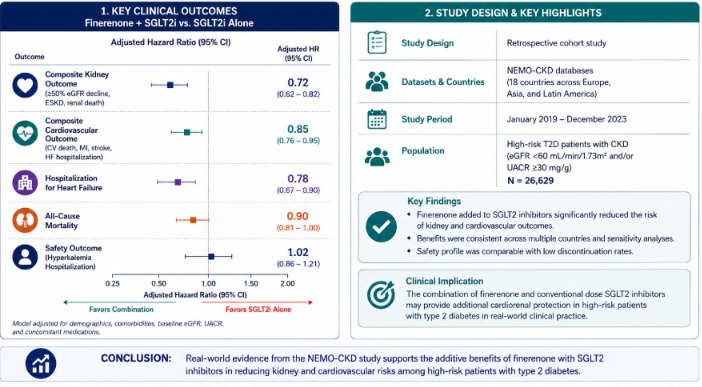
Comparative Efficacy of Combined Finerenone and Conventional-Dose ARB vs. High-Dose ARB on Renal Markers in Type 2 Diabetes Patients with Stage 1–3 Diabetic Nephropathy Receiving SGLT2i

by Prateek Chopra | July 1, 2026 | Diabetes Conferences | ADA 2026 Study Overview Methods Treatment Groups Baseline Characteristics Renal Outcomes Cardiometabolic Outcomes Safety Findings Clinical Implications High-dose ARB therapy and conventional-dose ARB combined with finerenone demonstrated similar improvements in renal markers over 6 months in patients with diabetic nephropathy receiving SGLT2 inhibitors. Both strategies appear to be viable

Comparative Efficacy of Combined Finerenone and Conventional-Dose ARB vs. High-Dose ARB on Renal Markers in Type 2 Diabetes Patients with Stage 1–3 Diabetic Nephropathy Receiving SGLT2i Read Post »

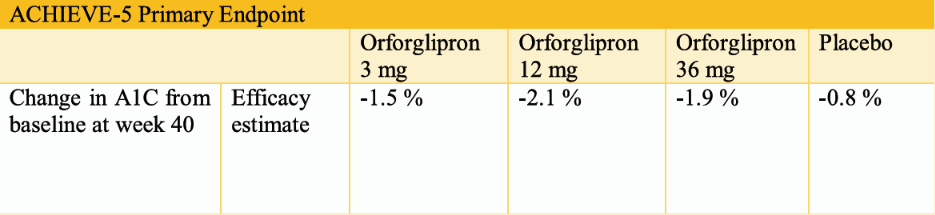
ACHIEVE Trials Demonstrate Comparative Benefits of Novel, Small Molecule Oral GLP-1 RA, Expanding Oral Treatment Options for Patient Population in Need of Alternative Solutions

by Prateek Chopra | July 1, 2026 | Diabetes Conferences | ADA 2026 Therapy Overview ACHIEVE Clinical Programme ACHIEVE-2 Findings (n=962) ACHIEVE-3 Findings (n=1,968) ACHIEVE-5 Findings (n=546) Safety Profile Clinical Implications The ACHIEVE programme demonstrated that oral orforglipron delivers substantial HbA1c reductions, meaningful weight loss, and favorable cardiometabolic benefits. These findings support its potential as an effective oral alternative to

ACHIEVE Trials Demonstrate Comparative Benefits of Novel, Small Molecule Oral GLP-1 RA, Expanding Oral Treatment Options for Patient Population in Need of Alternative Solutions Read Post »

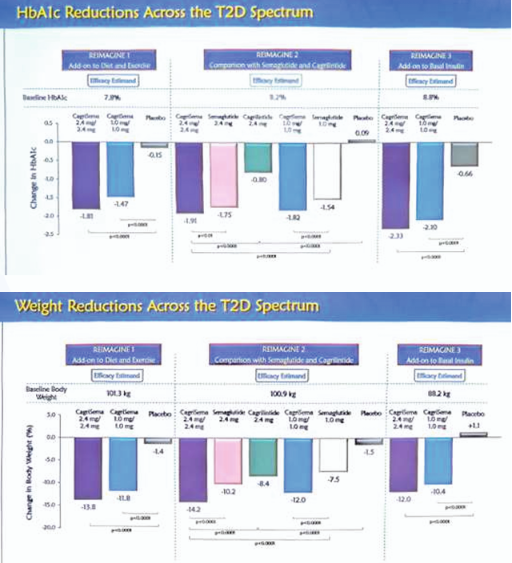
Insights from the REIMAGINE Trial: Robust Glycaemic Control and Meaningful Weight Loss with Cagri Sema Across DiverseT2D Population

by Prateek Chopra | June 29, 2026 | Diabetes Conferences | ADA 2026 Therapy Overview REIMAGINE Trial Programme Glycemic Outcomes Weight Loss Outcomes Benefits in Insulin-Treated T2D Safety Profile Clinical Implications The REIMAGINE programme showed that CagriSema delivers substantial improvements in glycemic control and body weight across diverse T2D populations. Its consistent efficacy and favorable safety profile support its potential

Insights from the REIMAGINE Trial: Robust Glycaemic Control and Meaningful Weight Loss with Cagri Sema Across DiverseT2D Population Read Post »

Scroll to Top