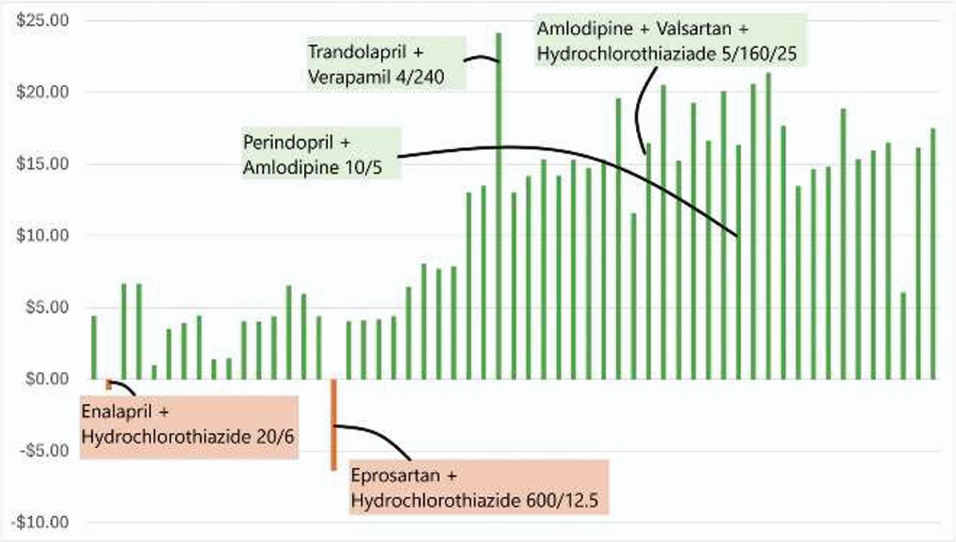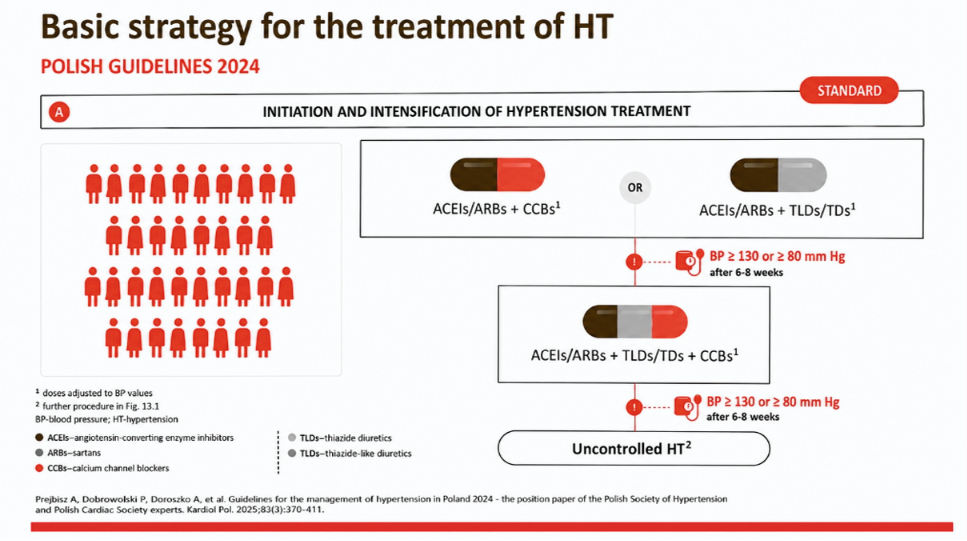
The OPTIMAL-HT Study – Evaluation of Triple Single-Pill Combination Therapy in Achieving Stringent Blood Pressure Targets

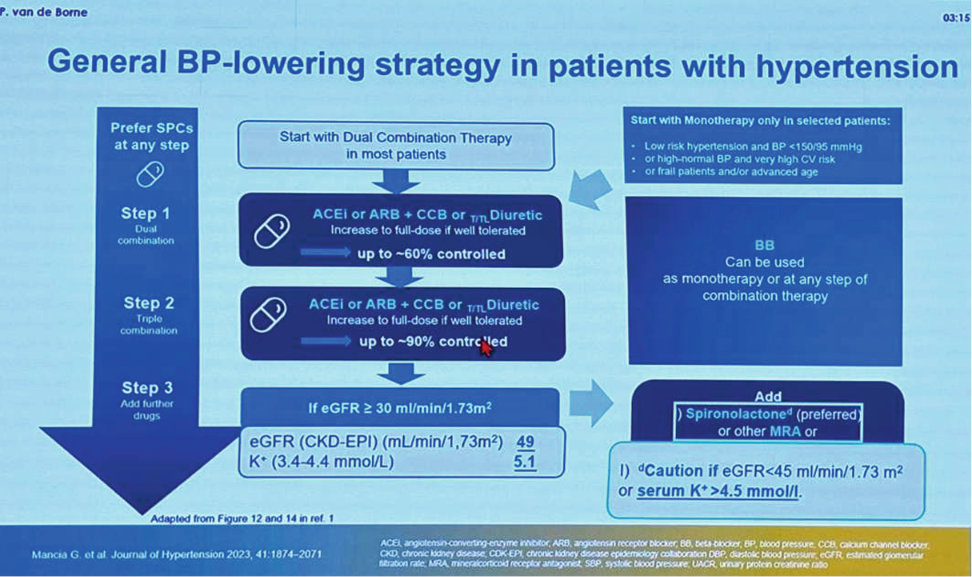
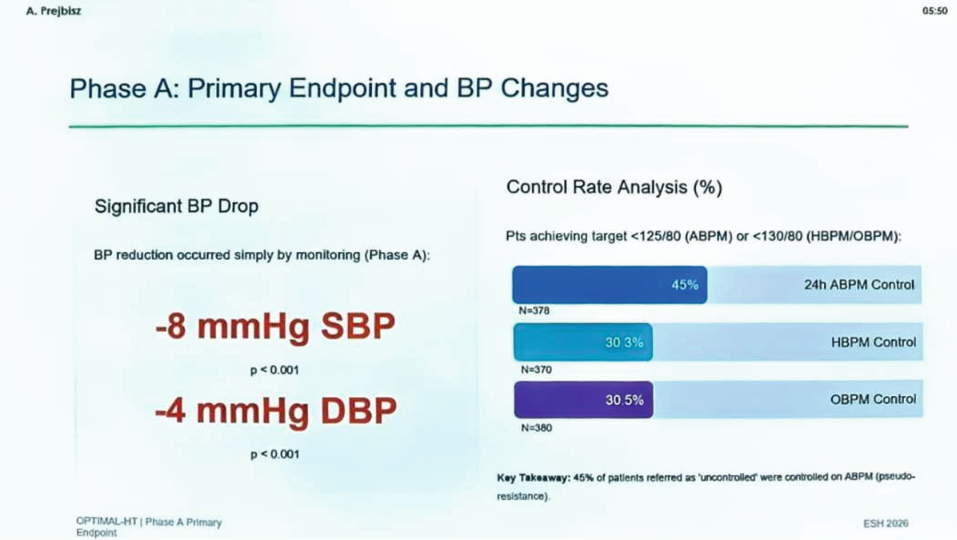
by Prateek Chopra | June 10, 2026 | Cardiology Conferences | ESH 2026 Treatment Challenge: The 2018 ESC/ESH guidelines introduced stricter systolic BP targets (120–129 mmHg) and stepwise escalation from dual to triple therapy. Evidence for achieving <130 mmHg in patients on ≥3 antihypertensive drugs remains limited. The OPTIMAL-HT study evaluates triple single-pill combination therapy (SPC) for stringent BP control and […]
The OPTIMAL-HT Study – Evaluation of Triple Single-Pill Combination Therapy in Achieving Stringent Blood Pressure Targets Read Post »

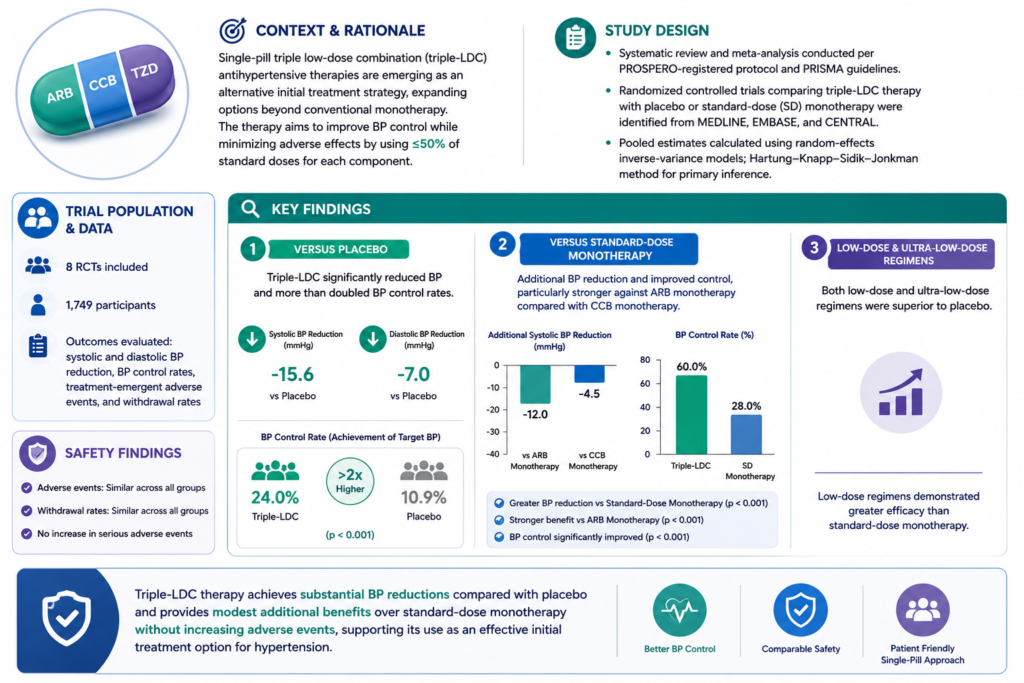
Efficacy and Safety of Initial Low-Dose Triple CombinationTherapy for Hypertension: A Systematic Review and Meta-Analysis

by Prateek Chopra | June 10, 2026 | Cardiology Conferences | ESH 2026 Context and Rationale: Single-pill triple low-dose combination (triple-LDC) antihypertensive therapies have emerged as an alternative initial treatment strategy, expanding options beyond conventional monotherapy. The therapy aims to improve BP control while minimizing adverse effects by using ≤50% of standard doses for each component. Study Design: Trial Population and

Efficacy and Safety of Initial Low-Dose Triple CombinationTherapy for Hypertension: A Systematic Review and Meta-Analysis Read Post »

Effects of a New Low-Dose Triple Single-Pill Antihypertensive Combination on Electrolytes and Creatinine Compared to Placebo and Dual Therapies

by Prateek Chopra | June 9, 2026 | Cardiology Conferences | ESH 2026 Therapeutic Context: Triple SPCs containing three low-dose antihypertensive agents are emerging as a promising strategy for improving BP control. GMRx2 (telmisartan/amlodipine/indapamide; WIDAPLIK) was recently FDA-approved, and its effects on serum electrolytes and renal function were evaluated against placebo and dual-combination therapies. Study Design: Placebo-Controlled Trial Findings: Active-Controlled Trial

Effects of a New Low-Dose Triple Single-Pill Antihypertensive Combination on Electrolytes and Creatinine Compared to Placebo and Dual Therapies Read Post »

From Guidelines to Adherence – Driven Outcomes: The Value of SPCs

by Prateek Chopra | June 9, 2026 | Cardiology Conferences | ESH 2026 Enhanced Adherence and Persistence: Blood Pressure Reduction: Cardiovascular Outcomes & Mortality: Real-World Cost and Implementation: Single-pill combinations represent an effective, evidence-based, and cost-efficient strategy for hypertension management. They consistently improve adherence, accelerate BP control, reduce cardiovascular and stroke events, and lower healthcare costs compared with free-drug combinations, supporting

From Guidelines to Adherence – Driven Outcomes: The Value of SPCs Read Post »

Triple SPCs: Simplifying Treatment, Strengthening Control

by Prateek Chopra | June 8, 2026 | Cardiology Conferences | ESH 2026 Simplifying Hypertension Care: Despite hypertension being a leading contributor to cardiovascular morbidity and mortality, BP control remains suboptimal due to poor adherence, therapeutic inertia, and complex multi-drug regimens. Triple single-pill combinations (SPCs) simplify therapy, improve adherence, accelerate BP target attainment, and enhance long-term cardiovascular outcomes. Guideline-Based Recommendations: Real-World

Triple SPCs: Simplifying Treatment, Strengthening Control Read Post »

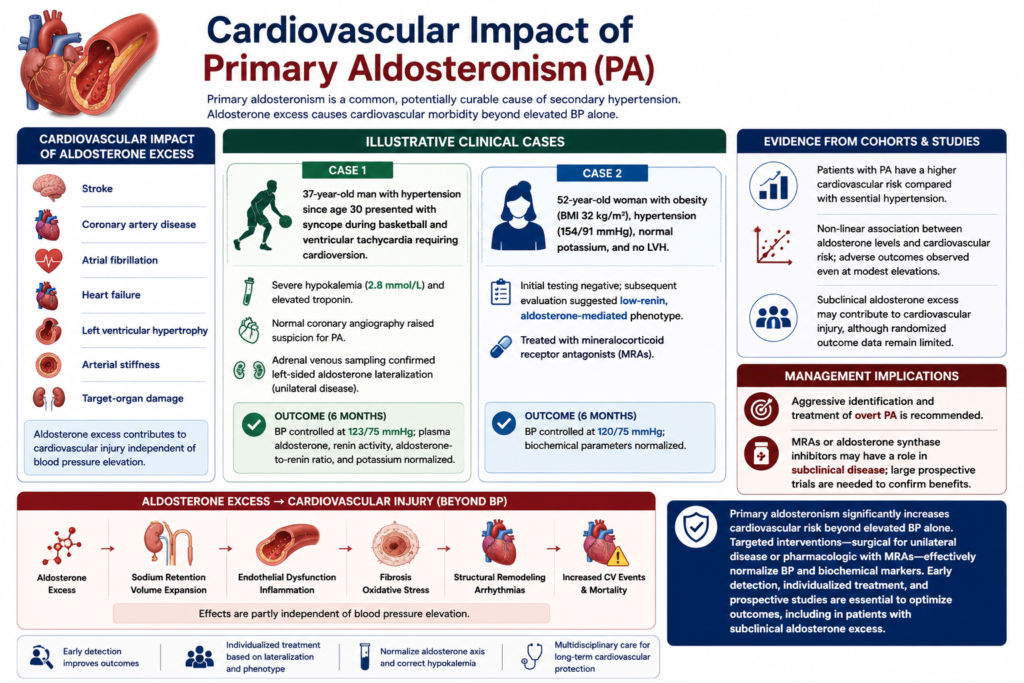
Primary Aldosteronism – Wide Spectrum of Clinical Manifestations

by Prateek Chopra | June 8, 2026 | Cardiology Conferences | ESH 2026 Cardiovascular Impact of PA: Primary aldosteronism (PA) is a common, potentially curable cause of secondary hypertension. Aldosterone excess contributes to cardiovascular morbidity beyond the effects of elevated blood pressure alone, including stroke, coronary artery disease, atrial fibrillation, heart failure, left ventricular hypertrophy, arterial stiffness, and target-organ damage. Illustrative

Primary Aldosteronism – Wide Spectrum of Clinical Manifestations Read Post »

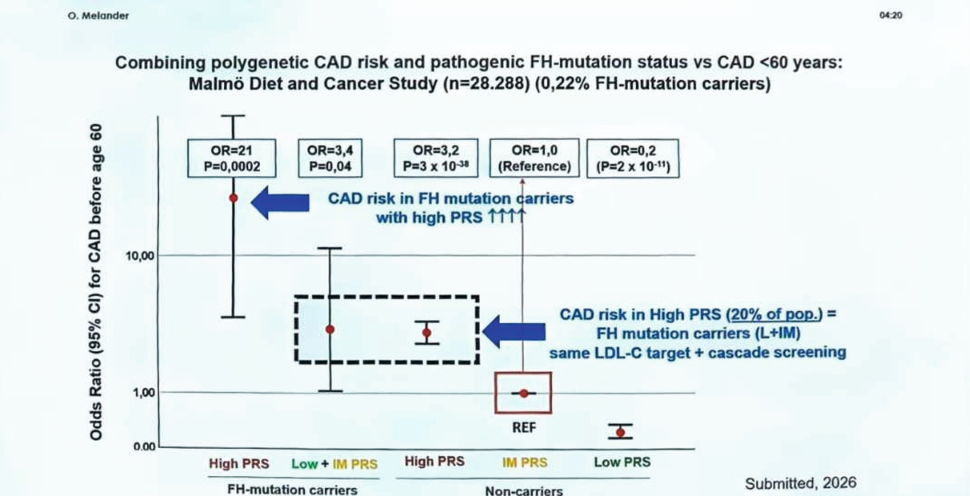
Integrated Polygenic Scores: Are They Ready for Clinical Practice?

by Prateek Chopra | June 7, 2026 | Cardiology Conferences | ESH 2026 Precision Cardiovascular Prevention: Integrated polygenic risk scores (PRS) enhance risk stratification beyond traditional risk factors. PRS predicts coronary artery disease (CAD) 2–4 times more strongly than conventional risk factors and identifies high-risk individuals not captured by family history or standard clinical assessments. High-Risk Populations: Evidence from Clinical Trials:

Integrated Polygenic Scores: Are They Ready for Clinical Practice? Read Post »

Treatment Algorithms for Hypertensive Patients with Hyperlipidaemia and Diabetes, Including Management Beyond Triple Combination Therapy

by Prateek Chopra | June 7, 2026 | Cardiology Conferences | ESH 2026 Optimizing Cardiovascular Risk: Prof. Andrzej highlighted standardized CVD mortality rates across regions, emphasizing major risk factors including BMI, systolic blood pressure, non-HDL cholesterol, diabetes, and smoking. Expanded clinical conditions such as resistant hypertension, sleep disorders, chronic inflammation, NAFLD, and migraine, as well as emerging risk factors like sedentary

Treatment Algorithms for Hypertensive Patients with Hyperlipidaemia and Diabetes, Including Management Beyond Triple Combination Therapy Read Post »

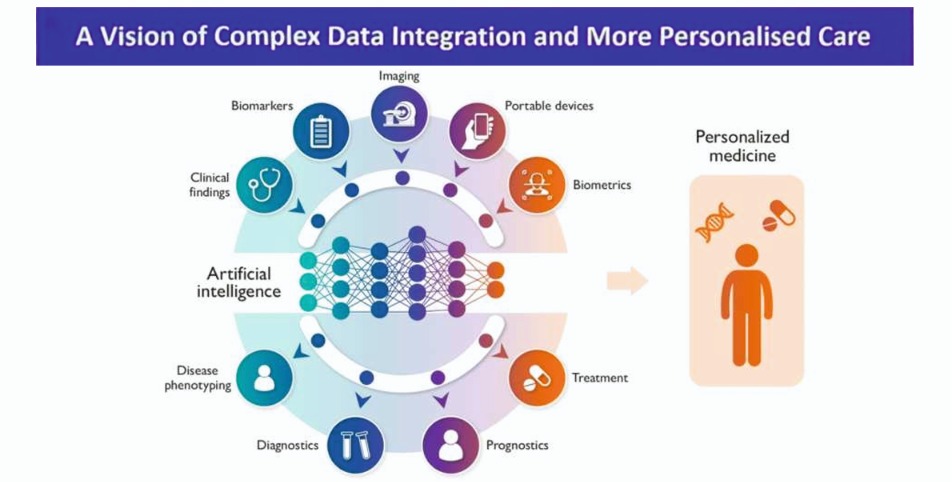
AI in Cardiovascular Medicine – Moving Beyond the Hype

by Prateek Chopra | June 6, 2026 | Cardiology Conferences | ESH 2026 Transforming Cardiovascular Care: AI is reshaping risk prediction, diagnostics, imaging, and personalized cardiovascular management. Machine-learning models integrating EHRs, imaging, genomics, proteomics, biomarkers, and wearable-device data outperform traditional risk scores. Large-scale datasets (>100,000 individuals) improve risk stratification across diverse populations, while plasma proteomic profiling enhances prediction of cardiovascular events

AI in Cardiovascular Medicine – Moving Beyond the Hype Read Post »

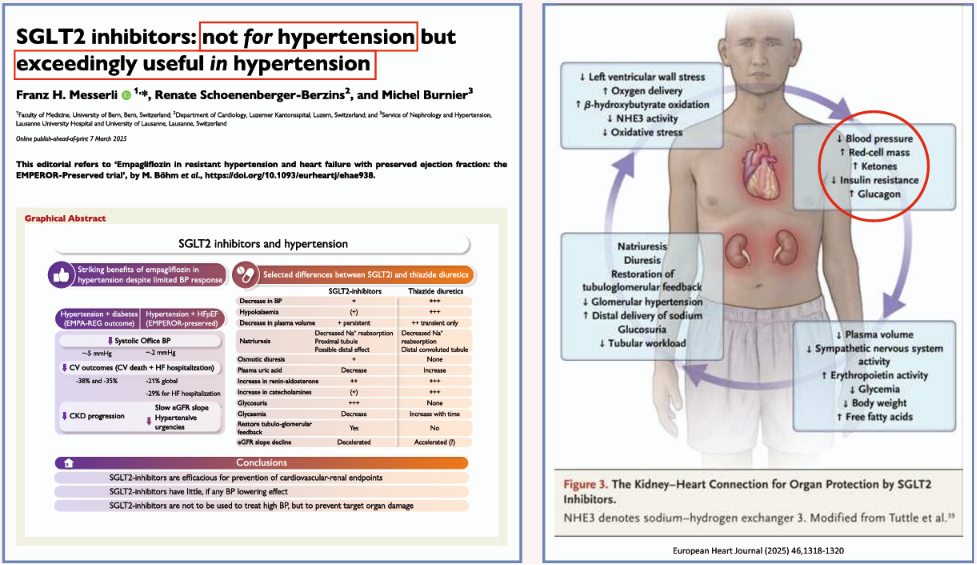
Clinical Decision Making in Hypertension Management: MatchingPharmacology to Patient Profile

by Prateek Chopra | June 6, 2026 | Cardiology Conferences | ESH 2026 Unmet Need in Hypertension: Hypertension affects over 1.3 billion individuals worldwide and remains the leading modifiable risk factor for cardiovascular morbidity and mortality. Despite numerous pharmacological options, BP control rates are suboptimal, highlighting the gap between available therapies and individualized patient management. Tailoring therapy to patient-specific characteristics, including

Clinical Decision Making in Hypertension Management: MatchingPharmacology to Patient Profile Read Post »

Scroll to Top