
by Prateek Chopra | May 30, 2026 | Cardiology Conferences | ESC-HF 2026
Heart failure management spans screening, diagnosis, treatment, and monitoring, with digital tools supporting improved outcomes and reduced hospitalizations. The PORTHOS study highlighted marked underdiagnosis of HF, particularly HFpEF, with prevalence increasing with age and being higher in women. A comprehensive approach to implementing digital health technologies in patients with HF was discussed. The findings were presented at Heart Failure 2026, organized by the European Society of Cardiology, held in Barcelona, Spain, from 9–12 May 2026.
AI-enabled tools such as AI-ECG, smart stethoscopes, AI-echocardiography, and EHR-based systems support early HF detection, faster diagnosis, and improved phenotyping. HF care can also be enhanced through hemodynamic monitoring, wearables, and mobile health apps that enable continuous monitoring, symptom tracking, medication adherence, and teleconsultation. Early studies failed to show an effect of telemonitoring. More recent studies have demonstrated a massive effect.
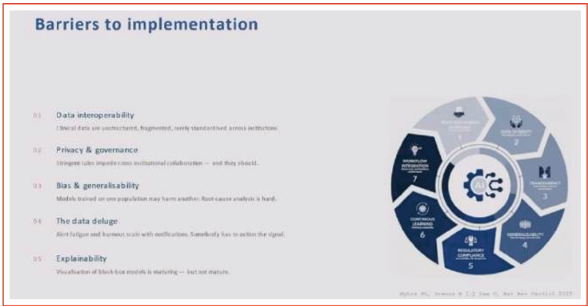
Telemonitoring in HF has been associated with reduced mortality and HF hospitalizations, though trial heterogeneity remains high and ESC recommendations are currently Class IIb, Level B. AI implementation in HF care faces challenges including poor interoperability, privacy concerns, bias, alert fatigue, and limited explainability, highlighting the need for standardized data, transparent models, and seamless clinical integration.
Digital health tools can either widen or reduce healthcare inequities depending on accessibility, literacy, and infrastructure. Equitable implementation requires offline-friendly systems, shared-device models, low-literacy interfaces, native language support, and cloud-based connectivity to improve access and continuity of care. The future of outpatient HF care focuses on rapid optimization of GDMT and early detection of worsening through home-based monitoring. Digital care models may enable proactive HF management and reduce the need for hospital-based care.
Successful implementation of digital HF tools requires focusing on one key care gap at a time and aligning solutions with local infrastructure and workflows. Institutions should prioritize equitable access, multilingual and offline support, and ensure that digital insights are linked to actionable clinical decision-making.