
by Prateek Chopra | June 11, 2026 | Diabetes Conferences | ADA 2026 | 0 comments
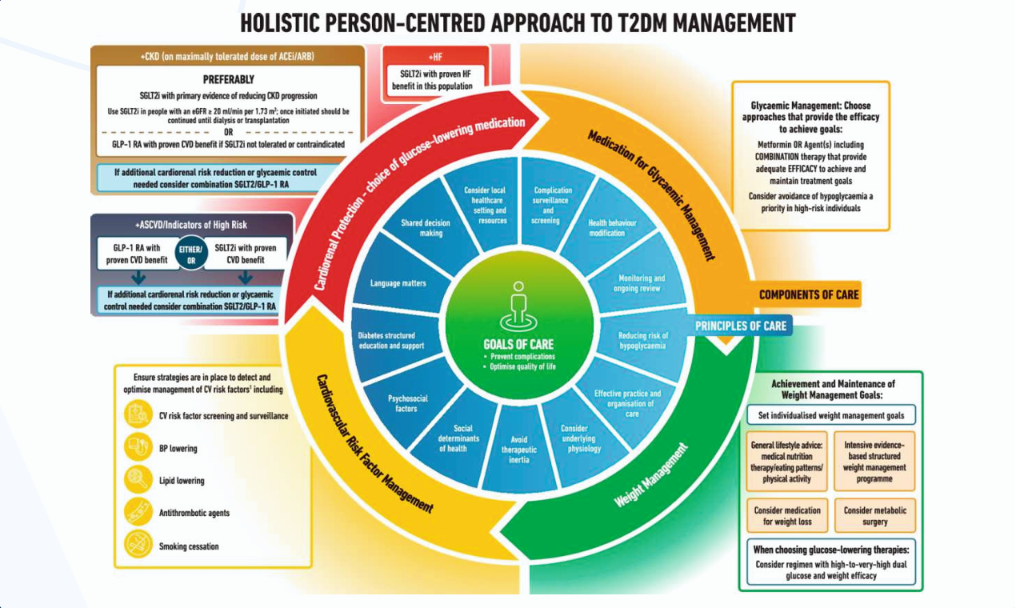
Treatment Paradigm Shift:
- Management of type 2 diabetes mellitus (T2DM) has evolved beyond glycemic control to focus on cardiovascular protection, kidney health, weight management, and patient-centered care.
- Current ADA–EASD recommendations emphasize therapy selection based on comorbidities, long-term outcomes, and individual patient needs.
Role of SGLT2 Inhibitors:
- Provide effective HbA1c reduction.
- Reduce hospitalization for heart failure.
- Slow progression of chronic kidney disease (CKD).
- Preserve renal function and reduce cardiovascular risk.
Role of GLP-1 Receptor Agonists:
- Deliver robust glycemic control and substantial weight loss.
- Reduce major adverse cardiovascular events.
- Emerging evidence suggests benefits in metabolic dysfunction-associated steatotic liver disease (MASLD).
Established Glucose-Lowering Therapies:
Metformin:
- Remains a foundational therapy due to proven efficacy, weight neutrality, low hypoglycemia risk, and affordability.
Sulfonylureas:
- Offer potent glucose-lowering and low cost.
- Use may be limited by weight gain and hypoglycemia.
Insulin:
- Remains the most effective glucose-lowering therapy.
- Essential in advanced disease and severe hyperglycemia.
- Associated with hypoglycemia risk, weight gain, and treatment burden.
Principles of Individualized Care:
- Prioritize cardiovascular and renal protection.
- Consider weight management goals.
- Evaluate safety, tolerability, accessibility, and patient preferences.
- Tailor treatment to individual clinical characteristics and comorbidities.
Contemporary T2DM management extends beyond glycemic control to address cardiovascular, renal, and metabolic health. Individualized treatment strategies that incorporate cardio-kidney-protective therapies can improve long-term outcomes and support more comprehensive diabetes care