
by Prateek Chopra | May 28, 2026 | Cardiology Conferences | ESC-HF 2026
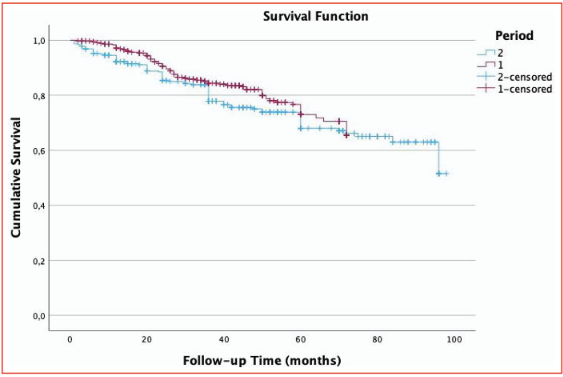
Since 2017, several new therapies demonstrating clinical benefit in patients with HF and reduced left LVEF have been approved for clinical use. However, real-world evidence regarding the benefits of these therapies remains limited. The study aimed to analyse the characteristics and prognosis of patients with HFrEF prospectively followed in a community-based HF unit of a non-tertiary hospital between 2010–2016 (period 1) and 2017–2025 (period 2). The findings were presented at Heart Failure 2026, organized by the European Society of Cardiology, held in Barcelona, Spain, from 9–12 May 2026.
A total of 683 patients completed follow-up, including 367 patients in period 1 and 316 in period 2, with similar age and gender distribution across both groups. Baseline clinical characteristics were comparable, with most patients presenting with severely reduced LVEF, NYHA class III symptoms, ischemic cardiomyopathy, and similar rates of major comorbidities.
There were no significant differences in the use of beta-blockers, renin–angiotensin system inhibitors, or aldosterone antagonists between the two periods. However, during period 2, 75.3% of patients received SGLT2 inhibitors and 6.3% received vericiguat, while sacubitril/valsartan accounted for 69% of renin–angiotensin system inhibitor use. Implantable electronic devices (ICD/CRT) were more frequently utilised in period 2 compared with period 1 (28.8% vs 16.7%).
During follow-up, no significant differences were observed in mortality between period 1 and period 2 (19.9% vs 25.9%, respectively), with comparable median survival durations. Similarly, the rate of improvement in LVEF did not differ significantly between the two groups (34.6% vs 37.3%).
In this community-based HF unit cohort, patients with HFrEF showed similar baseline characteristics, survival outcomes, and improvement in ejection fraction before and after the introduction of newer HF therapies.