
by Prateek Chopra | June 11, 2026 | Diabetes Conferences | ADA 2026 | 0 comments
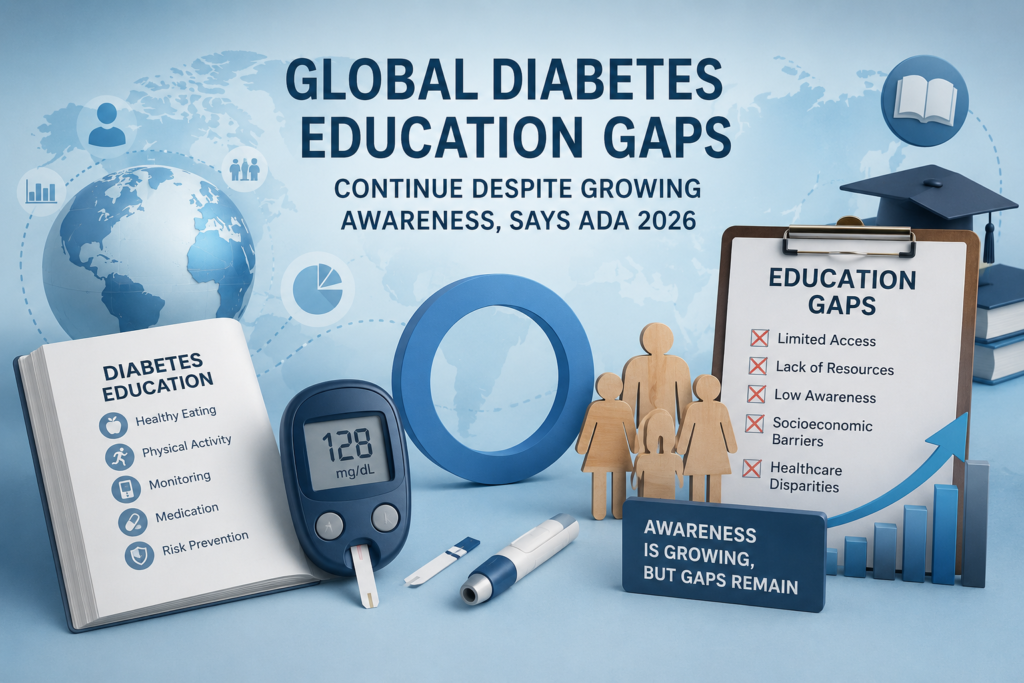
Current Landscape: According to the IDF Survey 2022, approximately 1 in 4 people with diabetes do not
receive the diabetes education they need at diagnosis. Significant gaps persist in diabetes self-management education and support (DSMES), limiting the delivery of person-centered diabetes care.
Key Findings from the IDF Survey 2022:
- 26% of people with diabetes reported receiving insu cient information at diagnosis.
- 20% did not receive regular diabetes education.
- 36% lacked access to specialist support, including diabetes educators, nurses, or dietitians.
- People with diabetes spent an average of only 3 hours per year in consultation with healthcare professionals.
- 20% of healthcare professionals reported di culty diagnosing depression as a diabetes-related complication.
Barriers to Effective DSMES:
- Under-prioritization of diabetes education and support.
- Limited healthcare workforce capacity.
- Inconsistent policy and funding support.
- Restricted access to DSMES programs.
- Greater emphasis on clinical metrics than patient experience.
- Challenges related to digital equity.
Professional Education Gaps:
- 35% of doctors and nurses reported self-funding their diabetes education due to insu cient institutional investment.
- Only 49% of healthcare professionals recognized depression as a complication of living with diabetes.
IDF School of Diabetes Initiatives:
- New educational courses include Continuous Glucose Monitoring (CGM) and Type 2 Diabetes Oral Agents Fact-Checking.
- In 2024, the program enrolled 17,792 new learners.
- More than 102,112 healthcare professionals have registered across 210 countries and territories.
Expanding Diabetes Education and Awareness:
- The Understanding Diabetes Platform currently offers seven educational courses covering key areas of diabetes management.
- The KiDS (Kids and Diabetes in Schools) program has:
- Reached 21 countries.
- Trained 27,000 teachers.
- Impacted approximately 687,000 students and families.
- Across 105 countries, major challenges include limited diabetes education policies, insu ciently trained school personnel, and the need for broader healthy eating initiatives.
Future Priorities:
- Recognize DSMES as a foundational component of diabetes care.
- Ensure equitable access regardless of geography or income.
- Strengthen integration within primary care systems.
- Promote digital equity and patient-centred program development.
- Foster global collaboration to create sustainable and accessible DSMES models.
Significant gaps in diabetes education and support continue to aect both people with diabetes and healthcare professionals worldwide. Expanding access to DSMES, strengthening professional education, and integrating patient-centred support programs are essential to improving diabetes outcomes and reducing disparities in diabetes care globally