
by Prateek Chopra | June 14, 2026 | Cardiology Conferences | ESH 2026
Research Objective:
Examine the epidemiological burden of multimorbidity in hypertension, the interplay between HTN and common comorbidities, and evidence-based strategies for cardiovascular risk reduction in complex hypertensive patients.
Study Context:
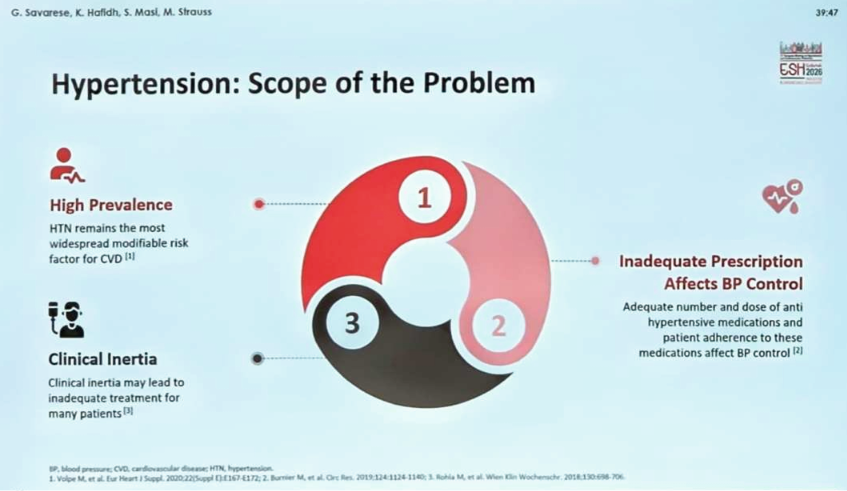
- Global impact: HTN remains the leading modifiable risk factor for cardiovascular disease; the WHO 2025 report estimates >1,000 preventable deaths per hour from strokes and heart attacks due to elevated BP.
- Suboptimal BP control persists globally, driven by clinical inertia and inadequate prescribing practices.
- Multimorbidity, defined as two or more chronic conditions, is rising with aging populations, complicating management.
Evidence and Data Sources:
- Panel discussion integrating published evidence and real-world registries, including the SNAPSHOT registry and European Heart Journal – Quality of Care and Clinical Outcomes data.
- Expert perspectives addressed multimorbid HTN endpoints, CV mortality trends, and RAAS inhibition.
Patient Profile and Key Findings:
- Typical hypertensive patient: ~66 years old.
- Comorbidity burden: 70% with ≥1 comorbidity; 34% T2DM, 40% obesity, 31% CAD.
- Cardiovascular risk: 87% classified as high or very high.
- Bidirectional T2DM-HTN relationship: up to 82% of diabetic patients develop HTN; ~50% of hypertensive adults exhibit impaired glucose tolerance or T2DM.
Management requires individualized, goal-directed therapy focused on reducing cardiovascular events and mortality. Addressing clinical inertia and optimizing antihypertensive regimens is essential. Full comorbidity burden—including diabetes and dyslipidemia—must be considered to improve outcomes in high-risk hypertensive populations.