
by Prateek Chopra | June 11, 2026 | Diabetes Conferences | ADA 2026 | 0 comments
Background: Cardiovascular disease (CVD) remains the leading cause of morbidity and mortality in individuals with type 2 diabetes (T2D), despite advances in risk factor management. Accurate risk stratification is essential to identify high-risk individuals and guide personalized preventive strategies.
Traditional Risk Factors Remain Fundamental:
- Age, duration of diabetes, blood pressure, lipid profile, smoking status, and obesity continue to form the cornerstone of cardiovascular risk assessment.
- These clinical characteristics remain the most practical and widely applicable tools for routine risk stratification.
Lipid Biomarkers:
- Apolipoprotein B (ApoB) provides a measure of total atherogenic lipoprotein burden and may offer additional risk information beyond LDL-cholesterol.
- Lipoprotein(a) [Lp(a)] has been associated with increased risk of atherosclerotic cardiovascular disease and may help identify individuals with residual cardiovascular risk.
Renal Biomarkers:
- Cystatin C and measures of kidney function have demonstrated strong associations with cardiovascular outcomes.
- These biomarkers highlight the close relationship between renal dysfunction and cardiovascular disease in people with T2D.
Cardiac Biomarkers:
- High-sensitivity cardiac troponin can identify subclinical myocardial injury and has been associated with future cardiovascular events.
- N-terminal pro-B-type natriuretic peptide (NT-proBNP) has shown value in predicting heart failure and cardiovascular risk.
Emerging Biomarker Approaches:
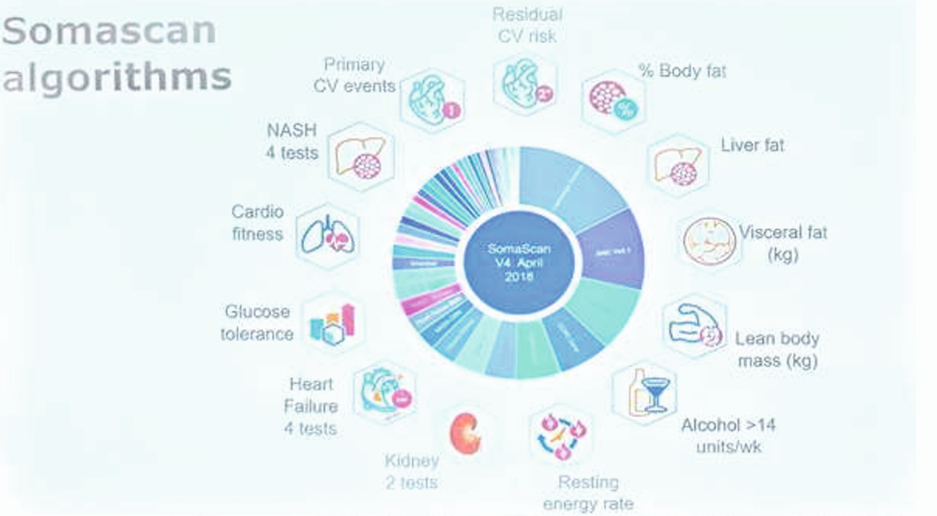
- Proteomic profiling and multi-marker strategies may further improve cardiovascular risk prediction.
- These approaches have the potential to identify diverse cardiometabolic risk phenotypes and support more individualized patient management.
Clinical Considerations:
- The adoption of novel biomarkers must consider cost, accessibility, and their incremental value over conventional clinical risk factors.
- Current evidence suggests that selected biomarkers may improve risk prediction in specific patient populations but do not replace established risk assessment methods.
Biomarkers such as ApoB, Lp(a), cystatin C, high-sensitivity troponin, and NT-proBNP can provide additional insights into cardiovascular risk in people with T2D. However, their greatest value lies in complementing traditional clinical risk factors, enabling a more personalized approach to cardiovascular risk assessment and prevention